


Seeing the Invisible Universe
Much of the universe is obscured by vast clouds of cosmic dust. In visible light, which our eyes can see, these clouds block our view, hiding cosmic nurseries and the very center of our own Milky Way galaxy. But just beyond the red light we can see lies
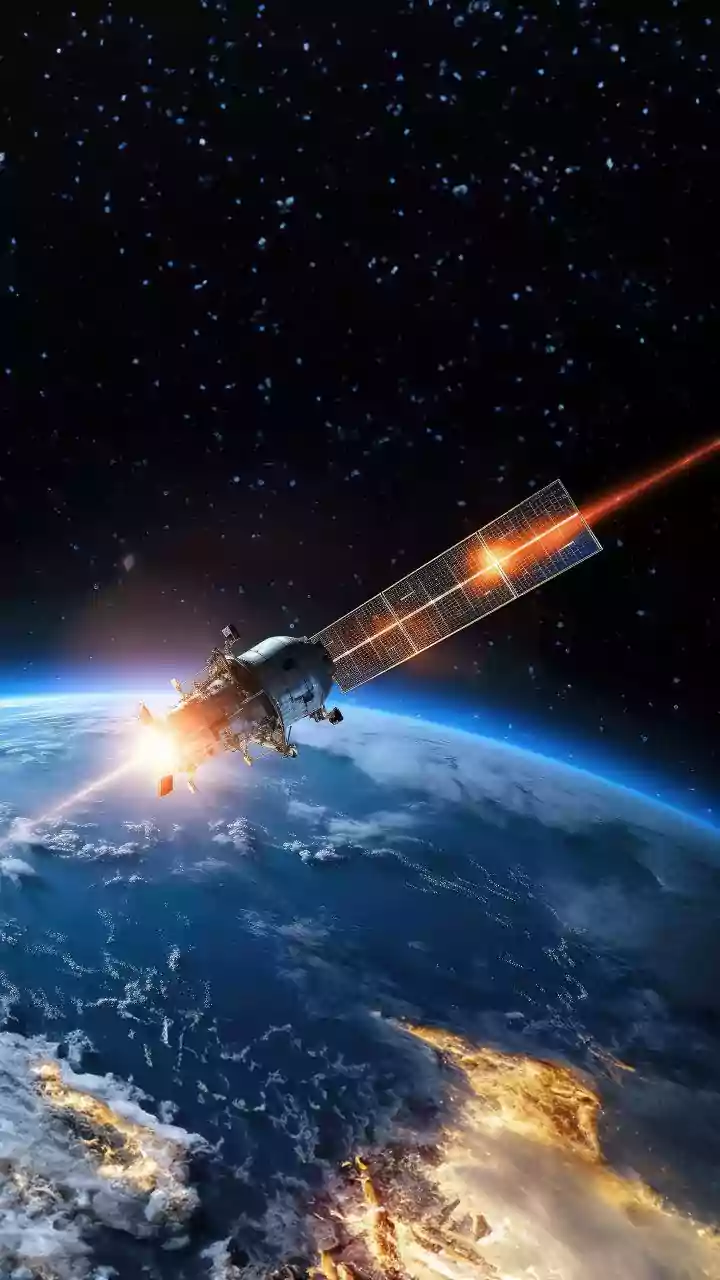
the infrared part of the spectrum. Infrared light, which we often perceive as heat, has longer wavelengths that can pass through these dense dust clouds without scattering. By using powerful telescopes like the James Webb Space Telescope (JWST) and its predecessor, the Spitzer Space Telescope, astronomers can capture this infrared light, effectively gaining an X-ray-like vision to see what lies within. These telescopes use a series of filters to isolate specific ranges, or “colours,” of infrared light, each revealing a different piece of the cosmic puzzle.
Near-Infrared: A Map of the Stars
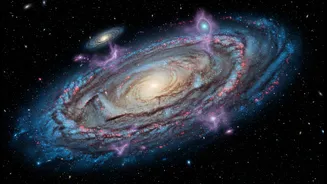
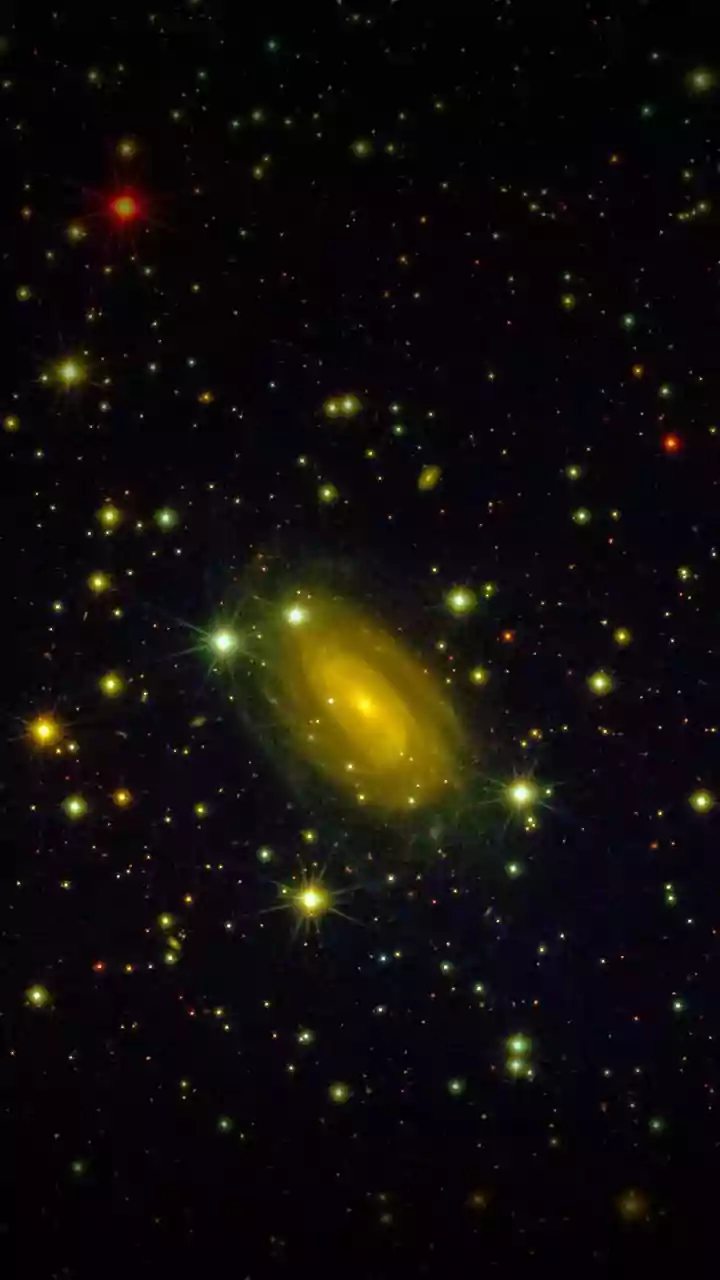
The infrared wavelengths closest to visible light are called near-infrared (NIR). When astronomers use NIR filters, the thick dust that normally blocks our view becomes largely transparent. This allows them to see the population of stars within and behind the dust clouds. Hot, bright blue stars fade from view, while cooler, older stars, like red giants and red dwarfs, dominate the scene. An NIR view of our galaxy cuts through the obscuring lanes in the Milky Way's disk to reveal the dense crowd of stars packed into the galactic center. It provides a fundamental map of a galaxy's stellar structure, tracing the distribution of its most numerous, cooler stars.
Mid-Infrared: The Glow of Creation
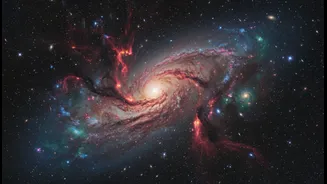
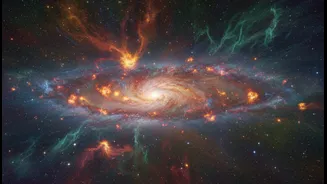
Moving to longer wavelengths, we enter the mid-infrared (MIR) range. Here, the story changes. Instead of looking through the dust, astronomers start to see the dust itself begin to glow. This is because the dust is warmed by the light from nearby stars, especially massive, newly forming ones, and it radiates that heat as mid-infrared light. MIR filters reveal vibrant regions of star formation—cosmic nurseries where new suns and planets are being born inside dusty cocoons. In false-colour images, these glowing dust features are often assigned reddish or yellowish hues, highlighting the dynamic and active places within a galaxy. It’s in the mid-infrared that we can see the building blocks of planetary systems, like protoplanetary disks around young stars.
Far-Infrared: The Coldest Cosmic Secrets
At the longest infrared wavelengths lies the far-infrared (FIR). Here, even the stars fade away, and we are left with the glow of the coldest components of the galaxy. FIR observations trace immense, frigid clouds of gas and dust, some just a few degrees above absolute zero. These cold clouds are the raw, undeveloped reservoirs of material from which future generations of stars will eventually form. By detecting the faint heat these clouds emit, astronomers can find the densest, coldest clumps that are on the verge of collapsing to create protostars. The center of our galaxy also shines brightly in the far-infrared because of the sheer concentration of stars heating up the dense dust clouds around them.