



A Royal Piece of History
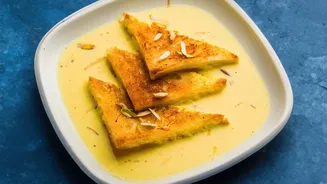
Shahi Tukda, which translates to 'royal piece', is a dessert with a rich history steeped in Mughlai cuisine. Believed to have origins in the 16th century, it is a testament to the ingenuity of royal kitchens, which may have been looking for a way to use
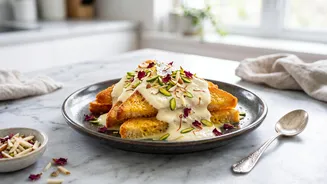
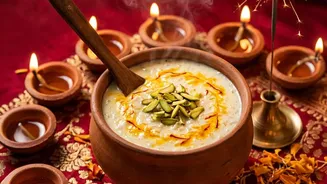
leftover bread. The concept is deceptively simple: pieces of bread are fried in ghee until golden and crisp, then soaked in a sweet, fragrant milk syrup, often rabri. Over time, it became a festive staple, particularly during Eid and Ramadan, but its comforting richness has also made it a beloved treat during Hindu festivals like Diwali. Its lineage is sometimes traced to Middle Eastern desserts like the Egyptian Umm Ali, suggesting a culinary journey that travelled across cultures before being perfected with Indian flavours like saffron and cardamom.
The Brar Philosophy: Food as a Story
To understand why Ranveer Brar champions a dish like Shahi Tukda, one must first understand his culinary philosophy. For Brar, food is not just about taste; it is about the transfer of energy, memory, and emotion. He often speaks about food as a 'giver' that builds relationships and connects people. This perspective drives his passion for reviving traditional recipes and presenting them in a way that resonates with contemporary palates without losing their soul. He has long expressed a desire to bring back the charm of Indian mithais that have been overshadowed or deemed unhealthy by younger generations. His work often involves exploring the sub-regional cuisines of India and telling the stories behind the dishes, believing that patience, balance, and respect for ingredients are the true marks of mastery.
A Modern Touch on a Classic Sweet
When Brar approaches a classic like Shahi Tukda, his goal is not to reinvent it entirely but to refine it. His recipes for the dish highlight a meticulous process. One version involves creating a lush, instant rabri by blending crumbled bread, condensed milk, saffron, and rose water into a smooth, creamy topping. Another focuses on a more traditional, slow-reduced rabri. The key is in the details: frying the bread to the perfect golden-brown crispness, creating a balanced sugar or milk syrup that is fragrant with cardamom and saffron, and the final assembly that turns simple ingredients into something regal. This approach ensures the final dessert is rich and indulgent, yet feels thoughtful and deliberate. It's an elevation of a familiar comfort food into an experience fit for a celebration.
Why Shahi Tukda for Diwali?
In a festive landscape filled with an endless variety of sweets, Brar’s choice to highlight Shahi Tukda feels like a deliberate statement. Diwali, at its core, is about togetherness, homecoming, and nostalgia. Brar himself emphasizes that the festival is an 'emotion' and fondly recalls the aromas of his childhood kitchen, where his mother and grandmother prepared traditional treats. In an interview, he urged people to use festivals as an opportunity to revive a traditional family recipe. By focusing on a dessert that is both simple in its components and royal in its heritage, he encourages a return to the flavours that are woven into the fabric of family and cultural memory. It suggests that the most meaningful festive foods are not necessarily the most novel or complex, but those that evoke a sense of warmth, comfort, and shared history, making them the perfect centrepiece for a Diwali table.