





An Unpredictable Monsoon Picture
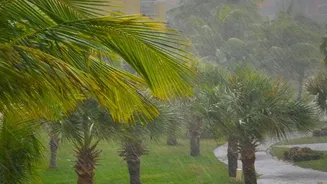
While long-range forecasts for August 2026 suggested a 'below-normal' monsoon season overall, the reality on the ground is proving to be a mix of intense, localised downpours and uneven distribution. Reports from early August show active monsoon conditions
creating very heavy rainfall in specific regions, including parts of western, central, and northern India. For instance, states like Uttarakhand, Maharashtra, and Goa have seen intense spells causing floods and disruptions. This pattern of sharp, heavy rain, even if the seasonal total is lower, is what causes immediate problems for travellers. The issue isn't necessarily a full month of constant rain, but rather powerful, concentrated bursts that can halt transport systems with little warning.
The Domino Effect on Your Itinerary
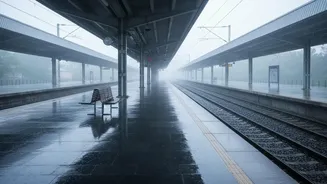
Heavy rain triggers a chain reaction of delays. For air travel, the problem is often not the rain itself but associated low visibility, strong crosswinds, and lightning, which halts ground operations. Airports in Mumbai and Kolkata are particularly susceptible to such disruptions during peak monsoon. On the railways, waterlogged tracks are a primary concern, leading to outright cancellations, diversions, or significant delays. Recent reports from August 6 show flooding in Assam disrupting the entire Northeast Frontier Railway network. Road travel is equally affected. In cities, waterlogging creates gridlock, making a 30-minute airport drop a two-hour ordeal. In hilly regions like Uttarakhand and the Western Ghats, the risk of landslides can lead to sudden and prolonged road closures, cutting off routes entirely.
Building a Smarter Travel Buffer
A 'connection buffer' is the extra time you build into your itinerary between different legs of your journey. During this monsoon, your standard buffer needs a significant upgrade. For connecting domestic flights, what was once a comfortable 90-minute layover should now be closer to three or four hours. This accounts for a potential delay on your incoming flight and gives you enough time to navigate the airport for your next one. If you are switching between modes of transport—for example, landing at an airport and then catching a train—the buffer needs to be even more generous. Factor in at least five to six hours. This allows for potential flight delays plus the very real possibility of slow-moving city traffic to get to the railway station. Rushing is not an option when a single downpour can paralyze roads.
Proactive Steps for Monsoon Travel
Beyond simply adding time, you can take other steps to safeguard your plans. When booking flights, opt for early morning departures. Thunderstorm activity often builds up later in the day, so morning flights have a statistically lower chance of being delayed. Consider booking flexible or refundable tickets where possible, as this provides an escape route if your plans are completely derailed. Always keep essentials like a power bank, snacks, any necessary medication, and a change of clothes in your carry-on bag. This ensures that if you do get stuck for several hours, you are not left completely stranded and uncomfortable. Finally, monitor the weather and transport authorities' updates religiously. Using apps like the National Train Enquiry System (NTES) for rail updates or checking your airline's app before leaving for the airport can save you from a wasted trip.