





Nohkalikai Falls: A Thundering Plunge
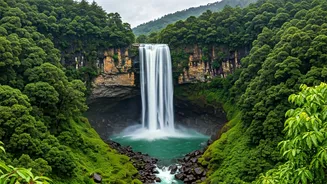
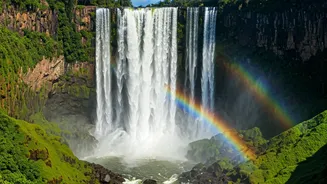
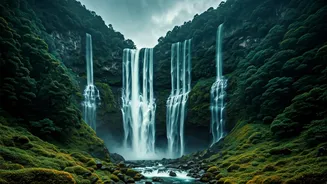
As India's tallest plunge waterfall, Nohkalikai is a sight to behold year-round, but the monsoon elevates it to a whole new level. Fed by incessant rains, the water cascades from a staggering height of 1,115 feet in a single, powerful drop, creating a deafening
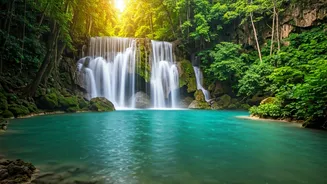
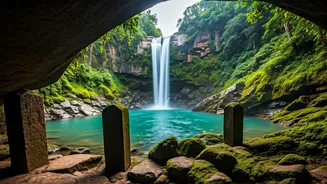
roar and a cloud of rising mist. The sheer force of the water during this season is immense, carving its way into a turquoise-green plunge pool below. While fog can sometimes obscure the view, the moments when the clouds part to reveal the waterfall in its full, majestic glory are truly unforgettable and a highlight for many visitors. The journey to the viewpoint itself is part of the experience, with lush greenery and smaller, unnamed cascades appearing along the way.
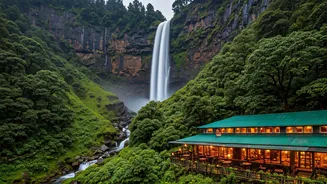
Seven Sisters Falls: A Cascading Curtain
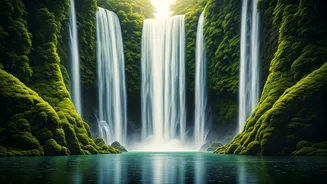
Also known as Nohsngithiang Falls, this seven-segmented waterfall is one of Meghalaya’s most iconic sights. During the dry season, it can be a collection of separate, gentle streams. But in the monsoon, from roughly June to September, these streams merge into a single, magnificent curtain of water, stretching wide across the limestone cliffs. Dropping from a height of over 1,000 feet, the falls are at their most powerful, creating a spectacular display. The viewpoint offers a panoramic vista, and on a day when sunlight breaks through the clouds, it can illuminate the cascading water, making it a photographer's dream. The sight represents the unity of the seven northeastern states, adding a layer of cultural significance to its natural splendour.
The Living Root Bridges: Bio-Engineering Marvels
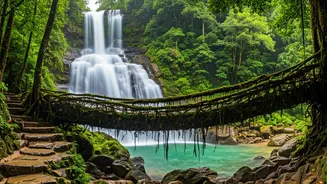
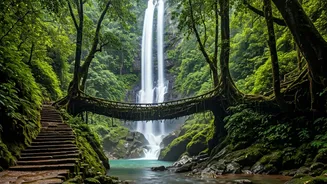
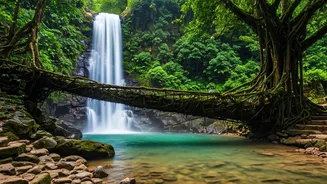
The living root bridges of Meghalaya, particularly the famous Double Decker bridge in Nongriat, are a testament to the ingenuity of the Khasi tribes. These bridges are not built, but grown over years by training the aerial roots of the Ficus elastica (rubber) tree. While accessible year-round, the monsoon transforms the experience of visiting them. The trek down to Nongriat, involving thousands of stone steps, becomes a journey through a vibrant, rain-soaked jungle. The rivers beneath the bridges swell into roaring torrents, and the entire forest feels more alive with the sounds of rushing water and dripping leaves. The bridges themselves, slick with rain and draped in moss, feel ancient and otherworldly, perfectly at home in the wettest place on earth.
Mawsynram: The Wettest Place on Earth
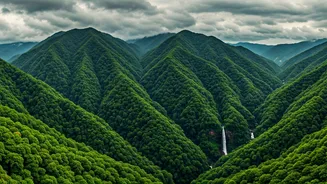
A visit to Meghalaya in the monsoon would be incomplete without experiencing Mawsynram, the village that holds the Guinness World Record for the highest average annual rainfall. Here, rain is a constant companion, a defining feature of daily life. The experience is less about a single viewpoint and more about immersing yourself in the atmosphere. You’ll see locals using traditional ‘knups’—turtle-shell-like umbrellas made of bamboo and banana leaves—to go about their work. The landscape is a surreal canvas of rolling green hills that disappear into low-hanging clouds, and the sound of rain is a constant, rhythmic backdrop. It offers a profound look at how life adapts to, and thrives in, one of the world's most extreme climates.
Umiam Lake: A Serene, Swollen Sea
Often the first major water body visitors see when driving from Guwahati to Shillong, Umiam Lake (also known as Barapani) is a vast man-made reservoir that takes on a unique character during the monsoon. The water level rises significantly, submerging smaller islets and expanding to meet the lush, forested Khasi Hills that surround it. The sky is often dramatic, with heavy monsoon clouds casting shifting shadows on the water's surface. While the water may not have the crystal clarity of the drier seasons, the sheer scale of the lake combined with the verdant, rain-washed landscape creates a view that is both serene and imposing, often compared to the lakes of Scotland.
Dawki River: A Different Kind of Charm
Dawki's Umngot River is famous for its crystal-clear water, so transparent that boats appear to float in mid-air. It's important to set expectations for the monsoon season. The heavy rains increase the river's flow and can wash silt down from the hills, making the water more emerald green or even murky rather than perfectly clear. However, what it might lose in transparency, it gains in atmosphere. The surrounding hills are at their greenest, and the river, full and flowing, is often shrouded in a mystical layer of mist. Boating may be limited due to strong currents, but the landscape offers a different, wilder kind of beauty that is just as captivating.