







The Challenge of a Predator's Return
For decades, India's Project Tiger has worked to bring the nation's iconic big cat back from the brink. With the tiger population now steadily increasing, these predators are venturing into historical territories, many of which are now dotted with human
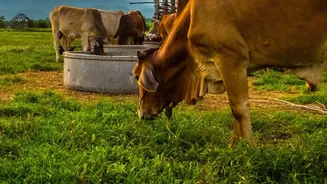
settlements. For villagers living on the fringes of national parks and reserves, this success story can feel like a threat. The primary conflict arises from livestock predation. For a family dependent on a few cows or goats, the loss of even one animal to a tiger can be an economic catastrophe. This financial vulnerability, combined with a natural fear for personal safety, can breed resentment and hostility towards the animals, sometimes leading to retaliatory killings. Coexistence is not a given; it must be built.
From Fear to Understanding
This is where public awareness programs become essential. Run by forest departments and conservation NGOs like the Wildlife Trust of India, these initiatives are not just about distributing pamphlets. They are about fundamentally changing the relationship between people and predators. The first step is education. Villagers are taught about tiger behaviour, learning that tigers are not malicious man-eaters but animals following their instincts. They learn to recognise tiger signs like pugmarks and scat, helping them understand when a tiger is in the vicinity. This knowledge replaces abstract fear with practical awareness, empowering residents to take precautions rather than panicking. Mobile education units often visit villages, using films and talks to teach children and adults about the tiger's role in maintaining a healthy forest ecosystem, which in turn secures resources like clean water for the communities.
Practical Tools for Living Together
Awareness campaigns go beyond theory and provide practical, life-saving strategies. A key focus is on reducing livestock vulnerability. Villagers learn the importance of building stronger, predator-proof cattle sheds for overnight protection. They are advised against grazing their animals deep inside the forest, especially during dawn and dusk when tigers are most active. Some programs even introduce innovative deterrents. In areas like the Sundarbans, nylon net fencing helps prevent tigers from straying into villages. In other conflict zones, AI-enabled cameras and early warning systems are being deployed to alert communities when a tiger approaches, giving them time to secure livestock and stay indoors.
Building a Community Safety Net
One of the most critical components of these programs is establishing trust and a reliable support system. Many initiatives help form Primary Response Teams (PRTs) or 'Bagh Mitras' (Friends of the Tiger). These are groups of trained local volunteers who act as the first point of contact during a conflict incident. They help manage crowds, assist the forest department in tracking the animal, and ensure that both people and the tiger remain safe. Furthermore, a robust and rapid compensation scheme for lost livestock is a game-changer. While government schemes exist, they can be slow. NGOs often provide immediate interim relief, giving families financial support within days of a verified kill. This quick response is crucial in preventing retaliatory actions, demonstrating to the community that conservation authorities understand and are responding to their economic pain.
An Economic Stake in Conservation
The most sustainable programs are those that give local communities an economic stake in the tiger's survival. This shifts the perception of the tiger from a liability to an asset. Awareness campaigns are often linked with the development of alternative livelihoods that reduce dependency on forest resources. This can include training in eco-tourism, where villagers become guides, or support for selling local handicrafts. When communities see a direct financial benefit from the presence of a healthy ecosystem that attracts tourists, they become its most dedicated protectors. This approach fosters a sense of ownership and transforms villagers into active partners in conservation, ensuring the long-term success of reintroduction efforts.