


The Science of Synergy
The idea that plant-based meals can be nutritionally complete is not a new wellness trend; it is a principle deeply embedded in Indian cuisine. At its core is the concept of 'protein complementation'. Most plant foods are 'incomplete' proteins, meaning
they lack one or more of the nine essential amino acids our bodies need from food. For instance, grains like rice and wheat are typically low in the amino acid lysine, while pulses like lentils and beans are low in methionine. When eaten together, their amino acid profiles complement each other, filling in the nutritional gaps. This combination creates a 'complete protein' with a quality comparable to that of animal products, providing all the building blocks your body needs for muscle repair, immunity, and overall health. This synergy is why meals like dal with rice are not just comforting, but also nutritionally sound.
Classic Pairings in Action
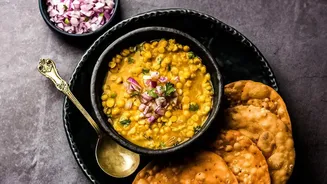
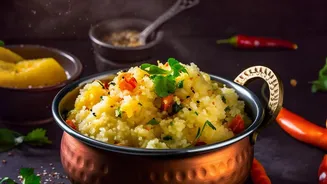
This principle is the foundation of many iconic Indian dishes. Khichdi, a one-pot meal of rice and lentils, is perhaps the most famous example. It is considered a complete meal because the combination provides balanced protein, carbohydrates, and fibre, making it both nourishing and easy to digest. This is why it's a go-to food during recovery from illness but is also a wholesome meal for anyone. Similarly, the South Indian staples of idli and dosa are made from a fermented batter of rice and urad dal (black gram). Fermentation not only combines the amino acids but also enhances the bioavailability of nutrients. Other classic pairings that have been staples for generations include rajma chawal (kidney beans with rice) and chana with roti or bhature (chickpeas with wheat bread), all of which are delicious executions of this powerful nutritional strategy.
Beyond Rice and Wheat
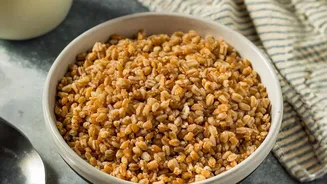
While rice and wheat are the most common grains, Indian cuisine embraces a wide variety of cereals that can diversify your meals. Millets like jowar, bajra, and ragi are excellent alternatives that bring different textures, flavours, and nutritional benefits. For example, you can make khichdi with millets instead of rice for a higher fibre and mineral content. Using different types of pulses is another way to add variety. Instead of just toor or moong dal, explore masoor (red lentils), chana dal (split chickpeas), or whole pulses like black-eyed peas (lobia). Each pulse has a unique flavour profile and nutrient composition. Sprouting pulses before cooking can also increase their nutritional value and make them easier to digest. By rotating through different grains and pulses, you ensure a broader spectrum of nutrients in your diet.
The Power of Seeds
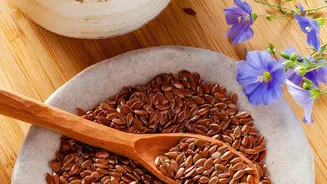
To elevate your plant-based meals further, look to the unsung heroes of the Indian pantry: seeds. Flaxseeds (alsi), sesame seeds (til), and pumpkin seeds add a delightful crunch, healthy fats, fibre, and essential minerals. For centuries, Indian home cooks have used seeds in creative ways. A spoonful of roasted flaxseed powder can be stirred into dal or sabzi, kneaded into roti dough, or sprinkled over yoghurt. In states like Bihar and Maharashtra, flaxseed is used to make savoury chutneys that are eaten as a side dish. Sesame seeds are the star of many winter sweets and are often used in tadkas (tempering) for their nutty flavour. Adding a handful of mixed seeds to your salads, breakfast bowls, or even as a garnish for your main dishes is a simple way to boost their nutritional value and add textural contrast.
Putting It All Together
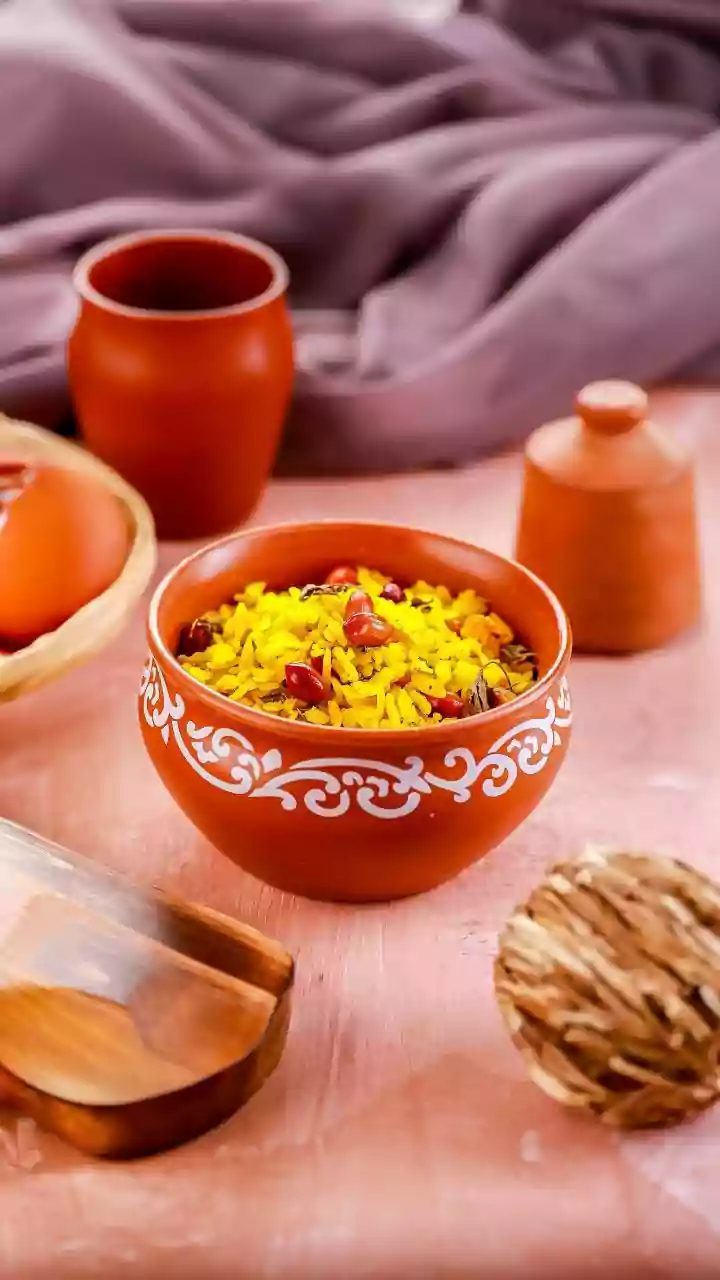
Making your plant-based meals more diverse doesn't require complex new recipes. It's about applying these traditional principles to your daily cooking. Start by thinking of your plate in terms of these three components. When you make a dal, ensure you pair it with a grain—be it a simple roti, a bowl of brown rice, or a millet-based side. As you prepare a vegetable sabzi, consider adding a sprinkle of toasted sesame or pumpkin seeds before serving. If you're having poha or upma for breakfast, a spoonful of flaxseed chutney powder can add a new dimension of flavour and nutrition. The goal is to make these combinations a natural part of your cooking routine. This approach not only enhances the nutritional profile of your food but also introduces new tastes and textures, making everyday meals more interesting and enjoyable.