
Adrak-Haldi Paste (Ginger-Turmeric Paste)
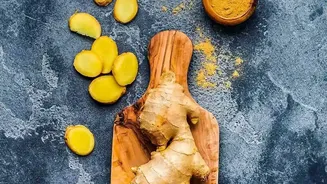
This is perhaps the most fundamental combination of the two spices. A simple paste of fresh ginger and fresh turmeric root is a staple starting point for a vast number of Indian dishes. Often made with a bit of oil or water to help with blending, this
vibrant, aromatic paste is frequently fried in ghee or oil at the beginning of the cooking process to release its flavours. Green chillies and garlic are also common additions. The fresh, zesty heat of the ginger cuts through the earthy, slightly bitter notes of the turmeric, creating a balanced base that other spices can build upon. It's the soul of many curries, sabzis (vegetable dishes), and lentil preparations.
Basic Curry Powder
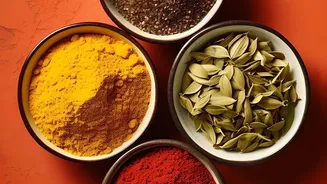
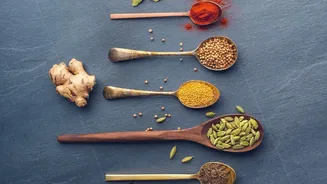
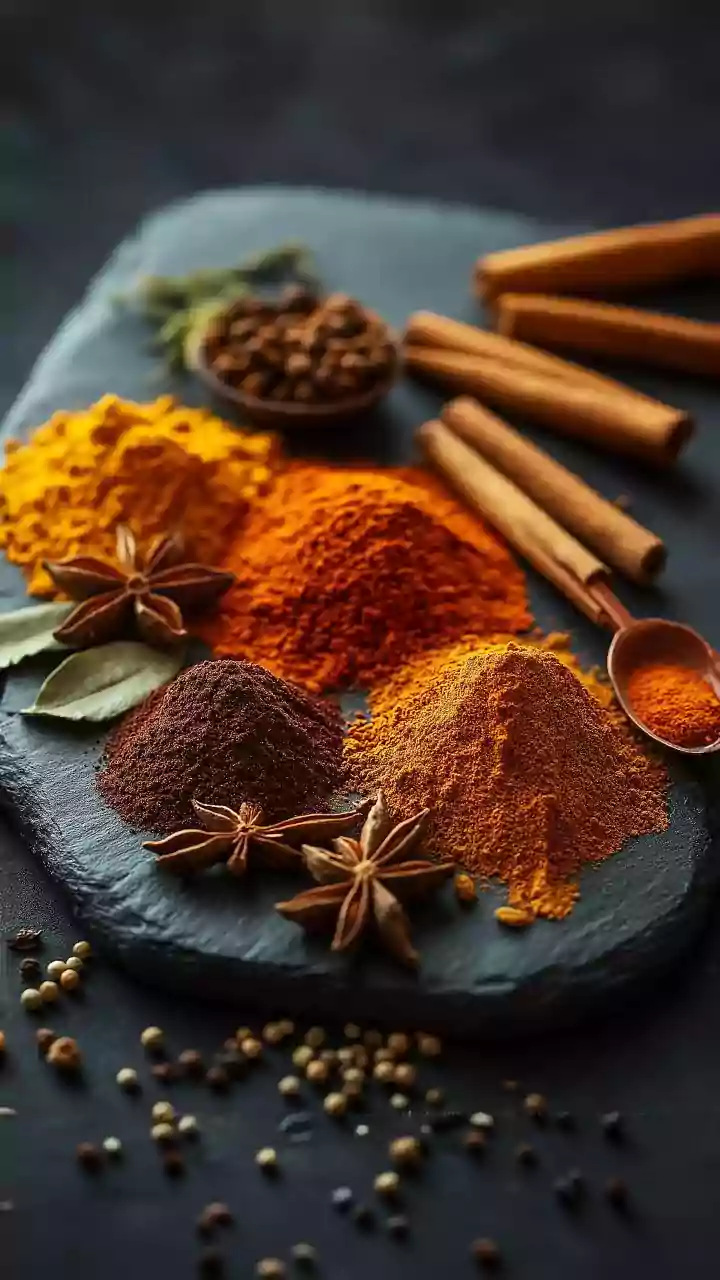
While 'curry powder' is a Western concept created to approximate the flavours of Indian cuisine, most blends rely heavily on the ginger and turmeric partnership. A typical curry powder recipe combines ground turmeric and ground ginger with a host of other spices, most commonly coriander, cumin, and black pepper. Turmeric provides the characteristic golden hue and an earthy base, while ginger adds a layer of sharp, warming spice. Unlike many complex Indian masalas, curry powder offers a straightforward, all-in-one seasoning for stews and sauces, and its flavour profile is defined by this core duo.
Garam Masala
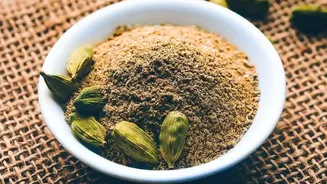
Garam Masala, a cornerstone of North Indian and South Asian cooking, translates to 'warming spices'. While recipes vary immensely by region and family, dried ground ginger is a very common ingredient. Turmeric is less frequently found in the final finishing blend, but it is almost always used in the dish itself, working alongside the garam masala. The ginger in the blend adds its signature pungent heat, complementing other warm spices like cinnamon, cloves, cardamom, and black pepper. The result is an aromatic, complex blend that adds depth and fragrance, often stirred in at the end of cooking to preserve its potent flavour.
Berbere
Traveling to East Africa, Berbere is the essential spice blend of Ethiopian and Eritrean cuisines. It is a fiery, brick-red mixture that gets its heat from dried red chillies and its complexity from a wide array of spices, including ginger and turmeric. The blend also typically includes fenugreek, coriander, cardamom, and cloves. In Berbere, the warm, spicy notes of ginger and the earthy depth of turmeric help to balance the intense chilli heat, creating a seasoning that is both potent and profoundly flavourful. It is the heart of many famous stews, known as 'wats', and is used as a rub for meats.
Ras el Hanout
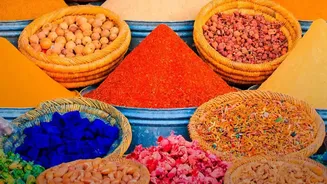
From North Africa, primarily Morocco, Ras el Hanout means 'head of the shop,' signifying the best spices a merchant has to offer. As such, there is no single definitive recipe, with some blends containing dozens of ingredients. However, ground ginger and turmeric are very common components, providing a warm and colourful foundation. These spices are mixed with a fragrant medley that can include cinnamon, cumin, coriander, allspice, nutmeg, and black pepper. The role of ginger and turmeric here is to provide a familiar, earthy warmth that grounds the more exotic floral and sweet notes that often define this luxurious blend.