


A Journey into Nostalgia and Slow Travel
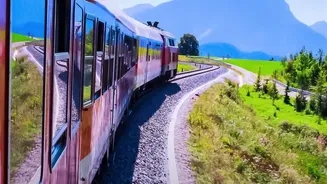
The primary allure of heritage railways is their deliberate, unhurried pace. In an era of high-speed expresses and quick flights, these trains represent a growing appreciation for “slow travel”—a mindful approach that values the journey over the destination.
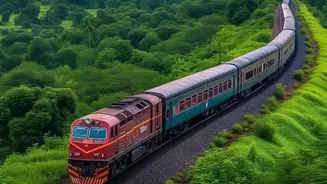
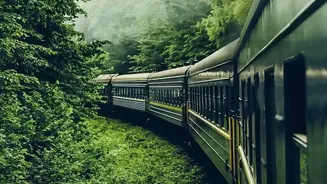
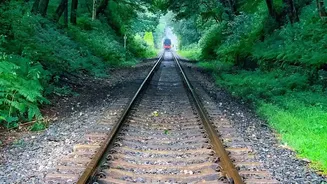
A five-hour ride on the Nilgiri line from Mettupalayam to Ooty is not an inconvenience; it is the main event. Passengers trade efficiency for an immersive experience, watching landscapes of lush tea estates, dense forests, and misty valleys unfold from their windows. The vintage wooden carriages, the rhythmic chugging of the steam engine, and the quaint stations along the way evoke a powerful sense of nostalgia, transporting travellers back in time. This tangible connection to history is a welcome antidote to the fleeting nature of modern life.
The Social Media Effect
Heritage railways are undeniably photogenic, making them perfect subjects for the visual economy of social media. The sight of a colourful 'toy train' crossing a dramatic stone bridge or winding through vibrant green hills has become viral content on platforms like Instagram. Studies and observations show that social media significantly influences travel decisions, with a high percentage of tourists relying on these platforms for itinerary planning. The Nilgiri Mountain Railway, famously featured in the song 'Chaiyya Chaiyya', already had cinematic appeal, which has been amplified in the age of reels and user-generated content. Young travellers, in particular, are drawn to the 'main character energy' of these journeys, capturing and sharing the analogue aesthetic with a global audience.
An Engineering Marvel on a Global Stage
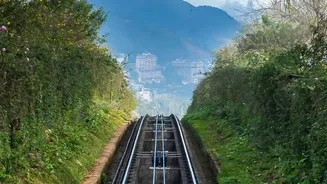
The Nilgiri Mountain Railway (NMR) is not just a pretty ride; it is a masterpiece of engineering. Along with the Darjeeling Himalayan and Kalka-Shimla lines, it is part of the UNESCO World Heritage-listed Mountain Railways of India. The NMR is the only railway in India that uses a unique 'rack and pinion' system to climb steep gradients. This technology, involving a toothed rack rail between the tracks that a cog wheel on the locomotive grips, allows the train to ascend Asia's steepest railway track, with gradients as sharp as 1 in 12. The journey takes passengers through 16 tunnels and over 250 bridges, climbing from an altitude of about 1,070 feet to over 7,200 feet. This status as a celebrated engineering feat adds a layer of intellectual curiosity to its scenic appeal.
Renewed Focus and Accessibility
Indian Railways and tourism bodies have recognised the growing interest in heritage travel. Initiatives like the 'Dekho Apna Desh' campaign and themed circuits like the Bharat Gaurav Tourist Trains are encouraging domestic tourism centered on culture and history. The railways are also adding special services during peak tourist seasons, like the recently announced joyrides for the Durga Puja festival on the Darjeeling Himalayan Railway, to meet rising demand. Furthermore, affordability is a key driver. While a private taxi can be expensive, a ticket on one of these historic trains offers an iconic and accessible travel experience, especially for younger, budget-conscious travellers. This combination of official promotion and value for money has made these routes more popular than ever.