
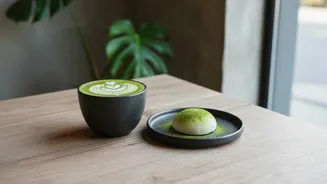
Bengaluru's Evolving Cafe Culture
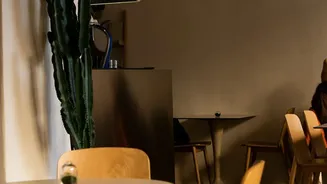
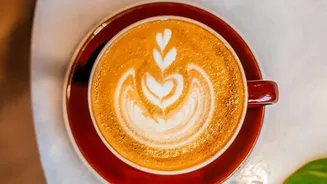
For decades, Bengaluru's identity has been intertwined with its cafés. From the simple, stand-and-sip darshinis serving strong filter coffee to the third-wave roasteries that turned Indiranagar and Koramangala into coffee hubs, the city has always had
a brew for every mood. Cafés here are more than just places to eat and drink; they are community hubs, alternative workspaces, and cultural barometers. This dynamic environment, constantly hungry for the next big thing, has proven to be the perfect breeding ground for the sophisticated, nuanced world of Japanese matcha.
What's Driving the Green Wave?
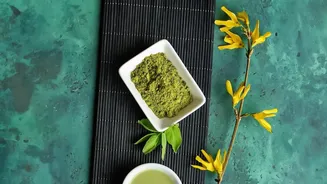
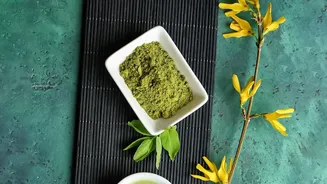
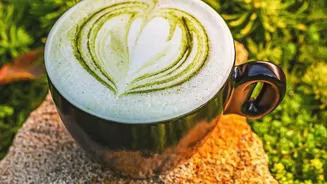
The rise of matcha in India isn’t just a fad; it’s a reflection of a larger shift. Health-conscious millennials and Gen Z are increasingly seeking alternatives to traditional beverages. Matcha, celebrated for its high antioxidant content and the calming alertness it provides, fits this need perfectly. But its appeal goes beyond wellness. The vibrant green colour and the ceremonial nature of its preparation make it incredibly 'Instagrammable', a key factor in today's visually-driven social culture. For many young, urban Indians, a cup of matcha is both a health choice and a lifestyle statement.
Meet the Matcha Mavericks
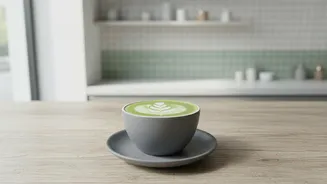
Bengaluru is now home to a growing number of cafés that are putting matcha front and centre. Sakura Matcha Bar, widely considered the city's first dedicated matcha destination, started with pop-ups before opening its doors in Victoria Layout, creating a cult following. Over in Indiranagar, places like Ela Matcha offer a minimalist, intentional experience, focusing on high-quality ceremonial grade matcha in a space designed for unhurried sipping. Turtle Matcha, another Indiranagar spot, has built a reputation by balancing traditional preparations with inventive new flavours, appealing to purists and newcomers alike. These aren't just coffee shops that added matcha to the menu; they are passion projects dedicated to the art of the green powder, often sourcing their leaves directly from Japan.
More Than Just a Drink
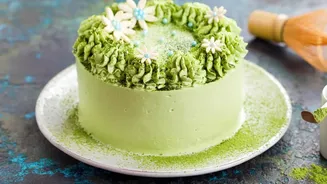
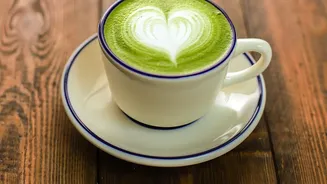
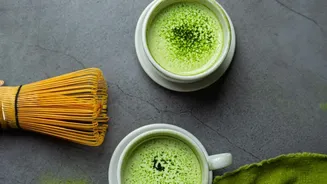
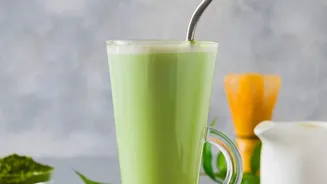
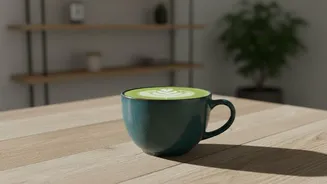
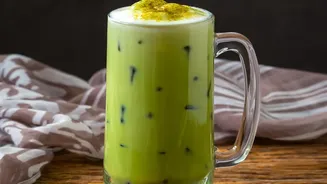
What makes these specialty cafés stand out is their commitment to the full experience. The focus is on quality, from using ceremonial-grade matcha to the specific techniques of whisking it into a smooth, frothy beverage. They are also hubs of innovation, moving beyond the classic latte. At some spots, you might find a Matcha Aam Panna, blending the Japanese tea with a smoky, roasted green mango base. Others offer intriguing creations like Rose Matcha Lattes, Matcha Financier cakes, or even matcha-infused soft-serve ice cream. This creativity shows that matcha isn't just being adopted; it's being adapted and woven into the local flavour palette, creating something uniquely Bengaluru.
Is the Trend Here to Stay?
While the initial buzz is strong, the long-term success of specialty matcha depends on navigating a few challenges. The price point, which reflects the labour-intensive process of producing real matcha and the costs of import, can be a barrier for some. Furthermore, its distinct umami flavour is an acquired taste, different from the familiar bitterness of coffee or the spiced warmth of chai. However, the pioneers behind Bengaluru's matcha scene are betting on a growing curiosity and a willingness to explore. By creating beautiful spaces, educating customers, and showcasing matcha's versatility, they are not just selling a drink—they are cultivating a new culture, one green cup at a time.