






The Clampdown on Vague Claims
The Food Safety and Standards Authority of India (FSSAI) has intensified its scrutiny on food brands using appealing but often ambiguous terms. In recent months, it has issued notices to multiple companies regarding claims like 'fresh', 'natural', '100%
pure', and 'healthy'. This move is part of a broader push to enforce the Food Safety and Standards (Advertising and Claims) Regulations, 2018, which mandate that all claims must be truthful, unambiguous, and not misleading. The regulator's actions signal a significant shift from merely ensuring basic food safety to policing the very language used to sell products, forcing companies to justify the words they print on their labels.
What Does 'Fresh' Even Mean?
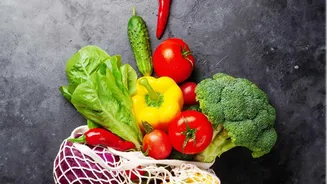
The word 'fresh' is particularly problematic. For consumers, it evokes images of just-picked vegetables or juice made moments ago. For manufacturers, its meaning can be much more flexible. According to FSSAI draft proposals and amendments, the term 'fresh' should ideally only apply to unprocessed foods, or those that have undergone minimal processes like washing, peeling, or chilling that don't fundamentally alter their nature. However, the term is often applied to products that have been processed, packaged, and stored. A 2026 amendment provided a strict legal definition for 'minimally processed' foods, stating they are only slightly altered for preservation without changing their nutritional core. This scrutiny aims to close the gap between consumer perception and industrial reality, ensuring 'freshly packed' doesn't just mean it was packed recently after extensive processing.
Why the Renewed Focus Now?
Several factors are driving this regulatory push. There's a growing wave of health consciousness among Indian consumers, partly accelerated by the pandemic. This has led to a boom in the health food market, with new brands attracting significant venture capital. However, low entry barriers have allowed many products to enter the market with questionable claims. The Advertising Standards Council of India (ASCI), which partners with FSSAI, found that a high percentage of digital ads for food and beverages run afoul of advertising norms. The implementation of regulations framed years ago, such as the 2018 advertising and claims rules, is now reaching full enforcement, bringing these long-standing issues to the forefront.
Beyond 'Fresh': A Wider Pattern
The focus on 'fresh' is just one part of a larger crackdown. FSSAI is also targeting other popular marketing buzzwords. For example, the claim 'no added sugar' is now prohibited if products use sugar substitutes like date syrup or fruit concentrates. One brand famously had to change its packaging from 'no added sugar' to 'sweetened with dates' following an FSSAI notice. Similarly, claims like '100% pure' have come under fire because the term isn't legally defined in food regulations and can create a false sense of absolute superiority. The regulator has also questioned brands over using terms like 'Heart Pro' on cooking oil and 'energy drink' for caffeinated beverages, arguing these can mislead consumers about health benefits.
How to Be a Smarter Consumer
While the FSSAI's actions are a positive step, ultimate power lies with the consumer. It's crucial to look beyond attractive words on the front of the pack and scrutinise the ingredient list and nutritional information on the back. The FSSAI's Food Safety and Standards (Labelling and Display) Regulations, 2020, mandate clear declarations. Pay attention to the order of ingredients—they are listed by weight, from most to least. Be wary of claims that sound too good to be true. Under the Consumer Protection Act, you have the right to file a complaint against misleading advertising. FSSAI has also created digital platforms for consumers to report misleading labels, empowering them to be the 'eyes and ears' for regulators. Penalties for misleading ads can be severe, reaching up to ₹10 lakh, giving companies a strong incentive to be truthful.