


Set Clear Terms Before You Begin
The best way to guarantee on-time payment is to set expectations before any work starts. This begins with a simple contract or written agreement. It doesn’t need to be overly complex, but it must outline the scope of work, your rate, and the payment terms.
Common terms include "Net 15" or "Net 30," which mean payment is due within 15 or 30 days of the invoice date. For larger projects or new clients, consider requesting a 25-50% deposit upfront. This secures your time, improves cash flow, and shows the client is serious. Also, be sure to clarify accepted payment methods, whether it's a bank transfer or a specific digital wallet, to remove any friction later.
Craft Invoices That Demand Action
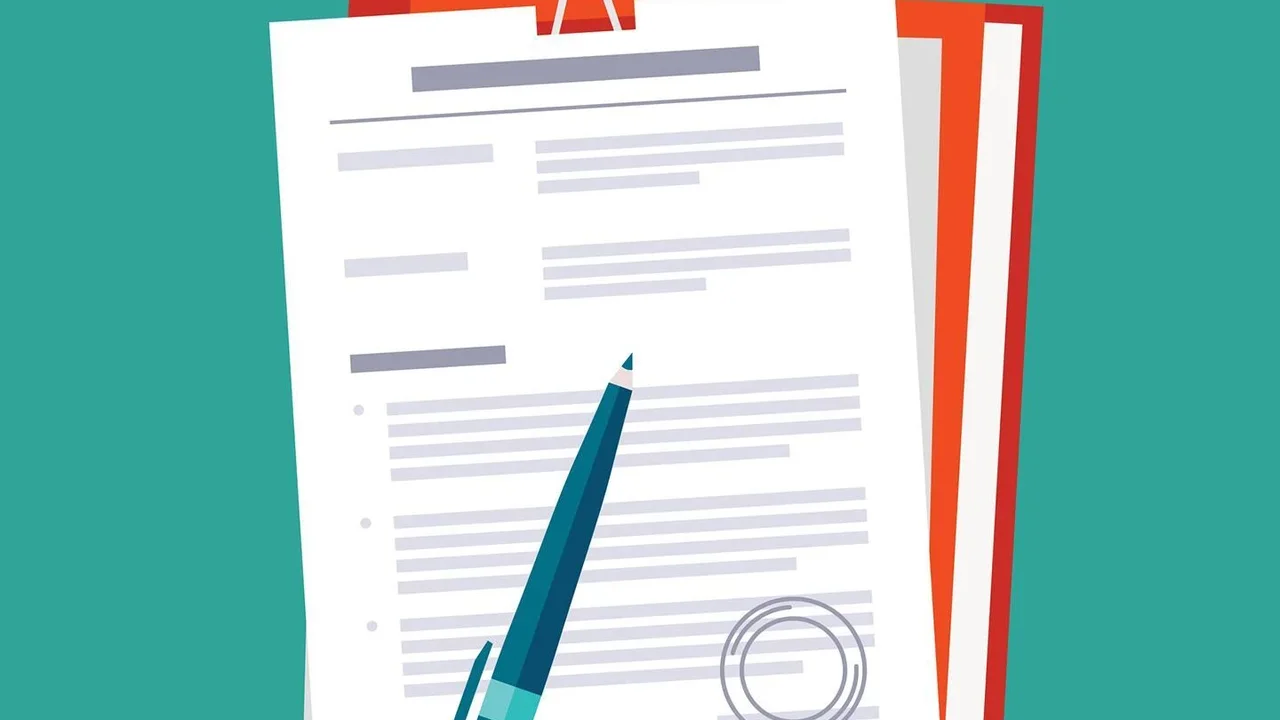
A professional invoice gets paid faster because it’s easy to understand and process. Every invoice you send must contain essential information to avoid delays. This includes your business name and contact details, the client's information, a unique invoice number for tracking, the invoice date, and a clear payment due date. Instead of just listing a total, itemise the services you provided. This transparency helps clients see exactly what they're paying for and prevents disputes. Finally, double-check that the total amount is correct and your payment details are clearly visible. A complete, professional-looking invoice signals that you take your business seriously.
Choose Your Invoice Tracking System
Once an invoice is sent, you need a reliable way to track its status. For those just starting out, a simple spreadsheet can work. Create columns for the invoice number, client name, amount, sent date, and due date. Add another column for 'Status' (e.g., 'Sent,' 'Paid,' 'Overdue') and update it religiously. However, as your client list grows, this manual process becomes tedious and prone to error. This is where invoicing software becomes a game-changer. Tools like FreshBooks, Zoho Invoice, or Wave can automate the entire process, from creating branded invoices to tracking their status and even sending automatic payment reminders. This frees up your mental energy to focus on your actual work.
Master the Art of the Follow-Up
Most late payments aren't malicious; they're often due to a busy client or a disorganised accounts payable department. A polite, systematic follow-up process is crucial. You don't have to wait until the invoice is overdue. Consider sending a friendly reminder a few days before the due date. If the due date passes, send a polite email checking in. Your goal is to be helpful, not confrontational. A simple message like, "Just a friendly reminder that invoice #123 was due yesterday. Please let me know when I can expect payment," is usually effective. Always re-attach the original invoice to make it easy for the client to find and pay.
Handle Overdue Payments with a Plan
When polite reminders don't work, you need to escalate calmly and professionally. If your invoice is a week or two overdue, send a firmer reminder. Note that the payment is now late and ask for an update. If your initial contract included a late fee (a common practice is 1.5-2% per month), you can mention that this will be applied soon. If another week passes with no response, it's time to pick up the phone. A direct conversation can often clear up misunderstandings. If the invoice remains unpaid after 30 days, your final communication should state your intention to seek other options, such as using a collections service, if payment is not made by a firm deadline.