


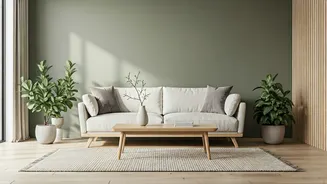
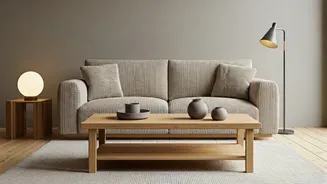


What Exactly is Japandi?
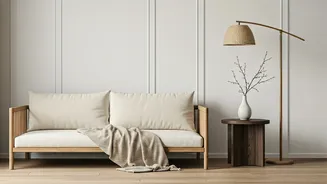
Imagine the cosiness of a Scandinavian cabin blended with the tranquil elegance of a Japanese tea house. That, in essence, is Japandi. This hybrid design style takes the best of both worlds: from Scandinavia, it borrows ‘hygge’—the concept of cosy contentment
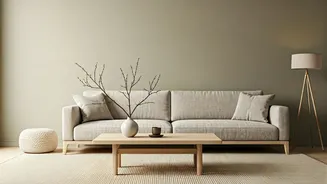
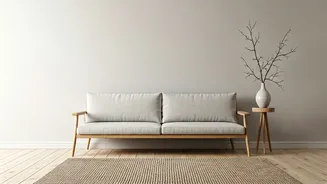
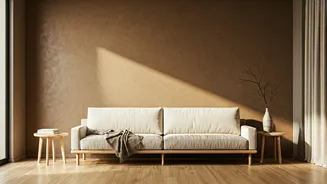
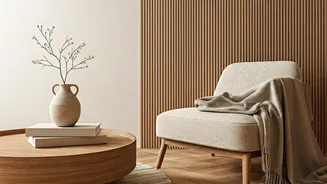
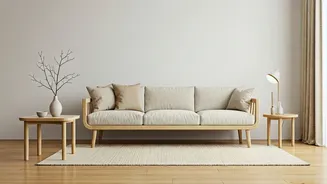
and well-being—along with a love for clean lines and functionality. From Japan, it embraces the ‘wabi-sabi’ philosophy, which finds beauty in imperfection and values natural materials and craftsmanship. The result is an aesthetic that is minimalist yet warm, modern yet timeless. It’s not about stark, empty rooms but about creating intentional spaces filled with a few, well-chosen items that are both beautiful and functional. The colour palette is muted and earthy, relying on shades of beige, cream, oatmeal, and charcoal, punctuated by natural wood tones and the green of indoor plants.
Why It’s Perfect for Modern Indian Homes
While it may have foreign roots, the Japandi ethos resonates deeply with the needs of contemporary Indian households. In our bustling cities and often-cramped apartments, the desire for a peaceful sanctuary is stronger than ever. Japandi’s emphasis on decluttering and mindful curation helps create a sense of order and calm amidst the chaos. Furthermore, the style celebrates craftsmanship and natural materials like wood, bamboo, and terracotta—elements that have been a cornerstone of Indian design for centuries. It encourages a move away from mass-produced furniture towards pieces with history and character. This makes it a sustainable choice, allowing us to integrate beloved family heirlooms into a fresh, modern context instead of discarding them.
The Centrepiece: From Vintage Box to Coffee Table
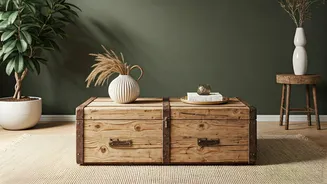
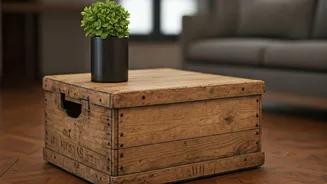
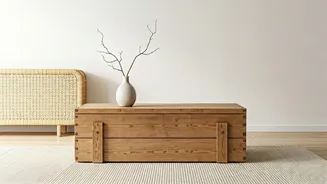
The coffee table is often the anchor of a living room, and this is where the Japandi trend gets particularly interesting and accessible. Instead of a standard table, the style champions using repurposed items, and none is more fitting than a vintage wooden box or trunk. Think of that old metal or teakwood sandook that’s been passed down through your family, currently relegated to a storage room. In a Japandi setting, this humble box becomes a star. Its weathered texture, intricate carvings, or rustic metal fittings add a layer of history and wabi-sabi imperfection that is central to the style’s appeal. It’s a statement piece that is also incredibly practical, offering hidden storage—a blessing in any home.
How to Make the Look Work
Transforming a vintage trunk into a coffee table is simpler than you think. First, find your piece. You might already own one, or you can find beautiful options at flea markets, antique shops, or online marketplaces. Give it a good clean, but don’t try to make it look brand new; the goal is to celebrate its age. A light sanding to smooth rough edges and a coat of clear sealant can protect the wood and make it easy to wipe down. The key is to keep the styling minimal. Place the trunk in the centre of your seating area. You can leave the top bare to appreciate the wood or style it with a simple ceramic vase holding a single dried branch, a couple of art books, and a textured coaster. The contrast between the rustic trunk and clean, modern surroundings is what creates the signature Japandi magic.
Beyond the Box: Other Japandi Essentials
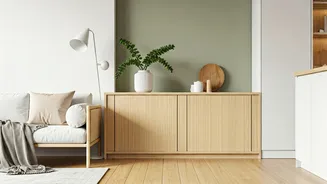
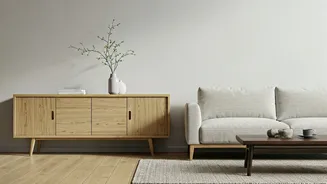
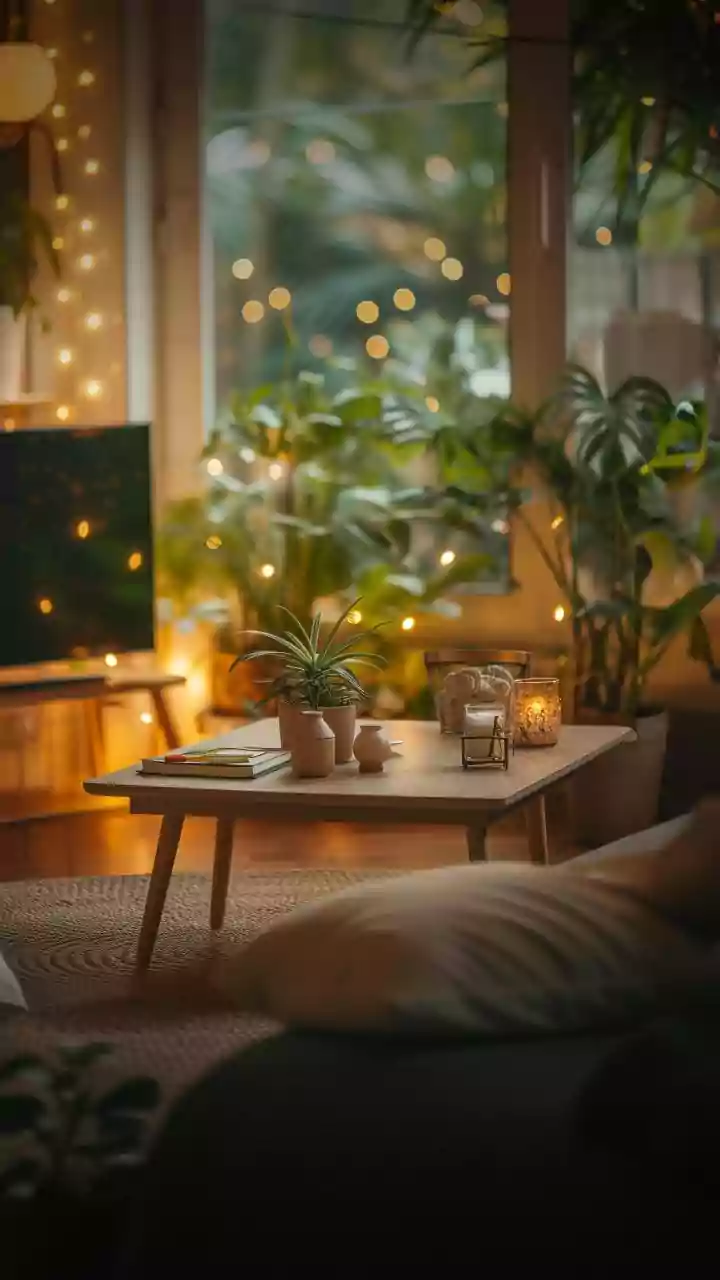
Once your unique coffee table is in place, you can build the rest of the look around it. Focus on incorporating natural textiles. Swap out synthetic cushion covers and throws for ones made of cotton, linen, or jute. Introduce live greenery with indoor plants in simple terracotta or ceramic pots. When it comes to furniture, look for pieces with clean lines and natural wood finishes. The most important step, however, is to declutter. Japandi is about appreciating space as much as objects. Go through your decor and keep only the items you truly love or find useful. This 'less is more' approach not only achieves the aesthetic but also creates a more relaxing and breathable living environment.