


The Official Forecast: Below Normal Rain
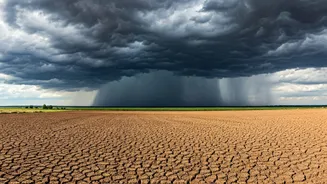
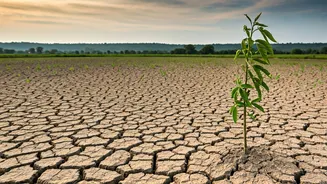
The IMD's outlook for July 2026 predicts that rainfall for the country as a whole is likely to be 'below normal'. Specifically, precipitation is forecast to be less than 94% of the Long Period Average (LPA). The LPA for July, which is calculated based
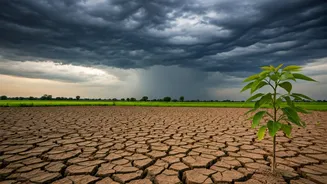
on rainfall data from 1971 to 2020, is approximately 280.4 mm. This forecast comes after one of the driest Junes on record, which saw a rainfall deficit of nearly 40%. The primary driver for this subdued forecast is the strengthening of El Niño conditions over the Pacific Ocean, a phenomenon historically linked with weaker monsoon rains in India. The IMD has also indicated that temperatures are expected to be above normal for most of the country.
A Mixed Bag for Regional Distribution
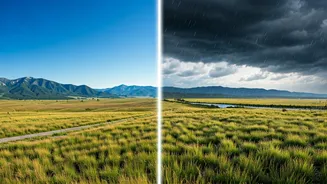
While the national picture suggests a deficit, the forecast is not uniform across all regions. The IMD has indicated that below-normal rainfall is likely across most parts of the country. However, there are pockets of relief. Some areas in northwest and northeast India, east-central India, and the eastern peninsular region are expected to receive normal to above-normal rainfall. This uneven distribution means that while some states might grapple with dry conditions, others could face intense rainfall. For instance, while central India experienced a significant deficit in June, the advance of the monsoon in early July is expected to bring a wet spell to a corridor stretching from Odisha to Maharashtra, which may aid in sowing operations. At the same time, regions like Arunachal Pradesh have already been dealing with floods from heavy pre-monsoon showers.
High Stakes for Farmers and Agriculture
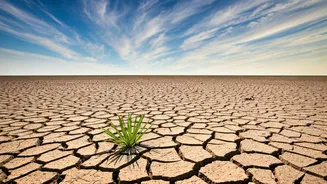
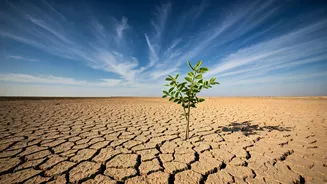
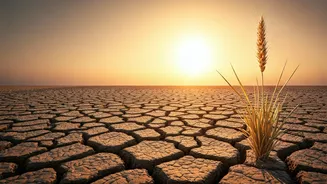
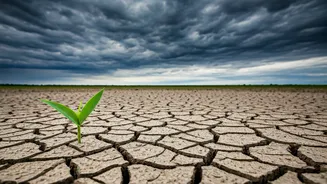
July is the most critical month for India’s Kharif sowing season, as it accounts for about a third of the total monsoon rainfall. A below-normal forecast raises significant concerns for the agricultural sector, where over half the cultivated area is rain-fed. The deficit in June has already led to delayed planting and a year-on-year decline in the total area sown for key crops. A continued lack of rain could further stress crops like paddy, pulses, soybeans, and cotton, potentially reducing yields. Farmers may face increased cultivation costs due to a greater reliance on irrigation. While a predicted wet spell in the first ten days of July might provide a much-needed window for sowing, the overall outlook for the month suggests a challenging period ahead for the farming community.
Impact on Water and Urban Life
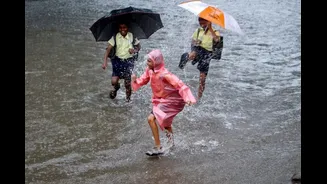
The performance of the July monsoon is vital for replenishing India's water resources. Weaker rains can lead to lower levels in major reservoirs, impacting water availability for drinking, irrigation, and hydropower generation later in the year. Many states, including Maharashtra, Karnataka, and Rajasthan, already face significant water stress, which could be worsened by a deficient monsoon. For urban areas, the monsoon brings a different set of challenges. Even in a below-normal season, the threat of extreme weather events remains. Climate change has increased the frequency of intense, short bursts of rain that can overwhelm city drainage systems, leading to flash floods and widespread disruption, as cities like Mumbai often experience.
The Broader Economic Ripple Effect
The monsoon's influence extends far beyond the farm. Agriculture contributes significantly to India's GDP, and a poor season can have a cascading effect on the wider economy. Weak agricultural output can dampen rural demand, affecting sales in sectors ranging from tractors and two-wheelers to fast-moving consumer goods. Furthermore, lower crop production can lead to a rise in food prices, stoking inflation and putting pressure on household budgets. The government has already noted concerns about the prices of essentials like tomatoes and onions. While it's important to note that a deficient June doesn't always guarantee a deficient season, the below-normal forecast for the crucial month of July suggests that policymakers and markets will be watching the skies with considerable anxiety.