

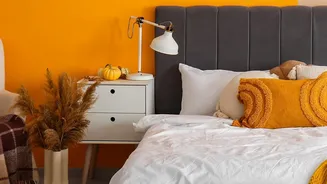
The Allure of the Accent Wall
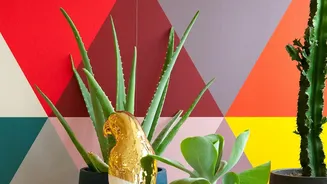
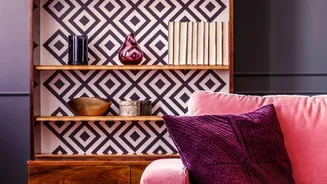
Both peel-and-stick wallpapers and textured plaster offer compelling ways to create a feature wall, but they achieve their impact through different means. Peel-and-stick wallpaper excels at delivering bold, graphic results with minimal fuss. Colour-blocking,
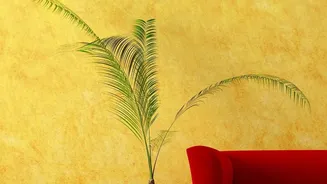
intricate patterns, and large-scale murals that might be difficult or costly to paint can be achieved in an afternoon. It's a method that champions speed, variety, and low commitment.Textured plaster, on the other hand, is about depth, character, and a sense of permanence. Techniques like Venetian plaster, lime wash, or even more rugged textures can add a sculptural, artisanal quality to a room that light interacts with in a unique way. While traditionally used to hide imperfections, modern plaster finishes are often chosen for their sophisticated, timeless appeal and durability. They don’t just add colour; they add a physical dimension to the wall itself.
Application: DIY Fun vs. Professional Craft
Herein lies one of the most significant differences. Peel-and-stick wallpaper is designed for the DIY enthusiast. The process involves cleaning the wall, peeling the backing, and applying the panel. High-quality products are often repositionable, allowing you to fix mistakes as you go. However, success is highly dependent on the wall surface. Peel-and-stick requires a smooth, clean, and properly primed wall; it will not adhere reliably to textured surfaces.Applying textured plaster is a craft that often requires professional skill. It’s a multi-step process involving mixing materials and applying them with a trowel, and it can be physically demanding. While some lighter textures can be attempted by a confident DIYer, achieving a high-end finish like Venetian plaster typically requires an experienced hand. Furthermore, plastering is a messy job that can take days to apply and fully cure.
Durability and Maintenance
Plaster is the clear winner for longevity. A well-done plaster wall is rugged, durable, and can last for decades, becoming part of the home's structure. However, it can be prone to cracking in high-traffic areas or as a house settles, and repairs can be difficult to match perfectly, sometimes requiring a professional. Heavy textures can also accumulate dust and be challenging to clean.Peel-and-stick wallpaper has a shorter lifespan, typically lasting between three to five years, depending on the quality and environment. Its main vulnerability is humidity, which can cause the adhesive to fail and the edges to lift, making it a poor choice for steamy bathrooms without proper ventilation. The good news is that most modern peel-and-stick wallpapers are wipeable and easy to clean.
The Cost Conversation
Comparing costs requires looking at both upfront investment and long-term value. Peel-and-stick wallpaper generally has a lower initial cost. You save money by avoiding professional installation fees, and the material cost per square foot can be very reasonable.Textured plaster is almost always more expensive upfront due to the cost of materials and the skilled labour required for installation. However, when viewed over a 15 or 20-year period, its durability can make it a more cost-effective choice than a peel-and-stick wallpaper that may need to be replaced multiple times. For a rental or a room you expect to redecorate frequently, peel-and-stick offers better short-term value.
The Removal Showdown
The headline's claim holds true: peel-and-stick is significantly cleaner and easier to remove. When applied to a suitable, well-prepared wall, high-quality removable wallpaper should peel off in full sheets, leaving no residue or damage. The process is dry, requires no chemicals, and can be done in minutes. The primary risk is if the underlying paint is weak, in which case the wallpaper's adhesive might pull off paint flakes.Removing heavy textured plaster, conversely, is a messy, laborious, and destructive process. If the texture is unpainted, it can sometimes be softened with water and scraped off. However, if the texture has been painted over, the paint acts as a sealant, making scraping ineffective. The most common methods then become either skim-coating the entire wall with new drywall compound to smooth it over or physically chipping and sanding the plaster off the wall—a process that creates an enormous amount of dust and often requires subsequent wall repairs before priming and painting.