







The Majesty of the Chundan Vallam
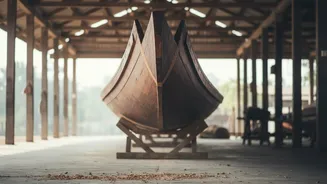
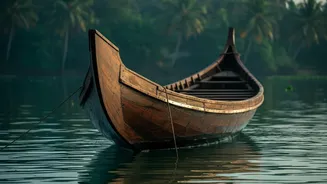
Before diving into the preservation methods, it's essential to appreciate the vessel itself. A Chundan Vallam is a cultural icon of Kerala, a massive canoe-like boat stretching over 100 feet. It is built from the wood of the Anjili tree (Artocarpus hirsutus),
a type of wild jackfruit timber known for its resistance to rot. Each boat is considered a deity by its village, a revered entity that only men, traditionally barefoot, are allowed to touch. These are not mere boats; they are community symbols, once used as war vessels and now the centrepiece of the thrilling Vallam Kali (boat race) events like the Nehru Trophy Boat Race, crewed by over 100 oarsmen paddling in perfect, powerful synchrony.
The Ancestral Waterproofing Formula
The key to the snake boat’s longevity and performance is a traditional preservative paste applied annually before the racing season. This is no ordinary varnish. The time-honoured mixture consists of fish oil, the ash of burned coconut shells (carbon), and eggs. Some accounts also mention the use of animal fat boiled with lime on the exterior and even traditional resins like 'chenchilyam' mixed with cotton to seal joints, preventing mould and water ingress. This potent, dark slurry is painstakingly applied by the men of the village, a process that is as much a communal ritual as it is a practical maintenance task.
The Science Behind the Tradition
This ancient recipe is a remarkable example of intuitive chemistry. The fish oil, rich in unsaturated fats, penetrates the wood fibres. When exposed to air, these oils undergo a process called polymerization, cross-linking to form a durable, water-repellent layer. This natural 'plasticisation' effectively seals the wood, preventing water absorption that would otherwise make the boat heavy and prone to rot. The carbon from the coconut shell ash acts as a pigment, giving the boats their characteristic dark sheen, but more importantly, it offers UV resistance and has antimicrobial properties, deterring the growth of fungi and algae. The protein in the eggs acts as a binder, helping the mixture adhere uniformly to the hull, creating a slick, low-friction surface that glides through the water with minimal resistance.
A Ritual of Community and Respect
Applying the oil is a sacred and communal affair. It’s not a job for a commercial shipyard but a duty undertaken by the villagers who own and race the boat. The process begins weeks before the race, often involving pujas and blessings from a priest to invoke good fortune. The men work together, rubbing the thick, pungent mixture into every inch of the hull. This collective effort reinforces the bond between the community and their revered boat. The ritual embodies the idea that the boat is a living part of the village. By caring for it with their own hands using materials from their environment—fish, coconuts—they are not just maintaining a vessel; they are perpetuating a tradition and strengthening their collective identity.