






Plan Before You Step Out
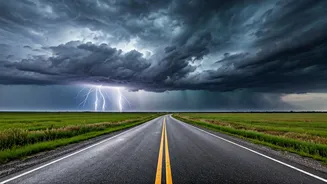
Today’s commute is not one to be taken lightly. The India Meteorological Department (IMD) has issued alerts for several parts of the country, including an orange alert for Mumbai, signaling heavy to very heavy rain. Before leaving home, check real-time
traffic updates on mapping services and local municipal or police social media handles. These resources provide crucial information on waterlogged areas, such as the Andheri subway, and traffic snarls that are already being reported in major cities. Weather apps can also provide hyperlocal forecasts, giving you a window into the intensity of rain expected during your travel hours. This morning, heavy downpours have already led to significant traffic congestion and train delays in Mumbai and its suburbs, a clear indicator that your normal travel time will not suffice.
Build a Generous Time Buffer
The single most effective strategy today is to leave earlier than usual. A journey that typically takes 30 minutes could easily stretch to 90 minutes or more. Waterlogging slows down traffic to a crawl, and public transport schedules are often the first casualty. Local train services on Mumbai's Central, Western, and Harbour lines are already running behind schedule. Building a significant time buffer into your commute is not just about reaching the office on time; it's a matter of safety. Rushing through monsoon traffic increases the risk of accidents on slippery roads. By starting early, you can drive or ride more cautiously, navigate crowded public transport with less stress, and have the flexibility to change your route if you encounter an unexpected roadblock.
Pack a Monsoon Commute Kit
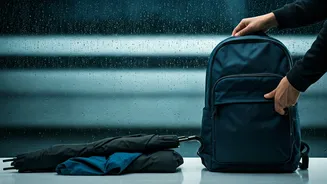
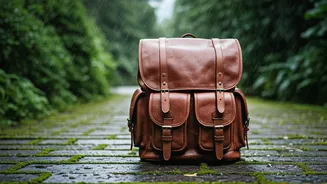
Being prepared for the uncertainties of a monsoon commute can make a huge difference. Your work bag today should function as a mini survival kit. A waterproof bag or a rain cover for your backpack is non-negotiable to protect your laptop and other electronics. Pack a small, quick-dry towel and perhaps a spare set of clothes if your workplace allows for it; arriving drenched and sitting in air conditioning is a recipe for falling ill. A fully charged power bank is another essential, as long travel times can drain your phone battery, your primary tool for information and communication. It's also wise to carry a water bottle and some snacks, as you could be stuck in traffic for extended periods.
Rethink Your Mode of Transport
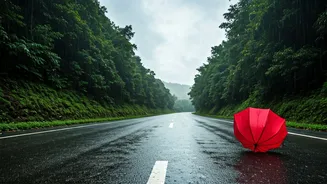
Today might be the day to reconsider your usual mode of transport. If you typically drive, be aware that navigating waterlogged streets can damage your vehicle and leave you stranded. Two-wheeler riders face an even greater risk on slippery roads with low visibility. Public transport like the metro, where available, is often a more reliable option as it is less affected by road-level waterlogging. In Mumbai, authorities often recommend using the rail network, though it's crucial to be aware of potential delays. If your commute is short, check if carpooling with colleagues is an option, which reduces the number of vehicles on the road and allows you to share the burden of navigating the chaos.
When In Doubt, Stay Put
The most important safety tip is to prioritize your well-being. With authorities urging caution and a clear forecast of heavy rain, the safest commute is sometimes no commute at all. Many companies have become more flexible with work-from-home policies, especially during severe weather. If the situation outside looks precarious, with high winds and severe waterlogging, have a conversation with your manager about the possibility of working remotely. Companies also have a duty of care, and ensuring employee safety during extreme weather is a shared responsibility. Don't take unnecessary risks; no meeting or deadline is worth compromising your safety.