






The Age of the Instagrammable Vacation
In the current travel landscape, decisions are frequently swayed by the magnetic pull of social media. A stunning photo of a remote beach or a viral video of a bustling market can instantly place a destination on thousands of wish lists. This phenomenon,
driven by platforms like Instagram and TikTok, has created a culture of 'trend hype,' where the popularity of a place is often dictated by its photogenic qualities rather than its actual suitability for a traveller. While this can uncover hidden gems, it more often leads to overcrowding at specific spots, strained local resources, and a travel experience that feels more curated for a camera than for personal enjoyment. Many travellers now seek authenticity, pushing back against the glossy, often unrealistic, portrayals online.
An Official Answer to the Hype
In response to this digital noise, the Indian Ministry of Tourism has been developing a powerful, data-centric alternative. Through its official websites and portals like the National Integrated Database of Hospitality Industry (NIDHI+), it provides a centralised, verifiable source of tourism information. Unlike a travel blogger’s subjective review, these platforms offer objective data. The aim is to empower tourists, hospitality providers, and policymakers with transparent and up-to-date information. Initiatives such as the 'Incredible India Digital Portal' aim to be a one-stop solution for travellers, covering everything from destination discovery and planning to booking and on-ground experiences.
Data Over Drama: Planning with Facts
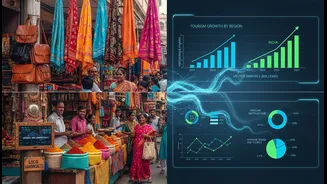
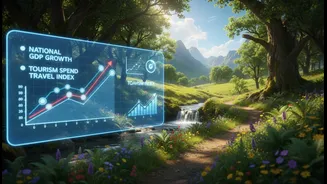
So, what kind of information does this portal provide? Imagine planning a trip and being able to check official data on monthly tourist arrivals for a specific state, or the registered capacity of hotels in a district. This is the core offering: raw numbers and verified statistics that allow for smarter decisions. For instance, you could use the data to identify the true 'off-season' for a popular hill station, potentially saving money and avoiding crowds. You could see which regions have a higher concentration of officially recognised and classified hotels and homestays, ensuring a baseline of quality and safety. The dashboard provides insights on foreign and domestic tourist visits, average stay durations, and even economic data like foreign exchange earnings. This transforms trip planning from a game of guesswork into a strategic exercise based on evidence.
A New Habit of Trusting Data?
The potential impact of this portal extends far beyond tourism. By providing a practical, useful tool for a common activity like travel planning, the government could be fostering a broader cultural shift. If a family successfully uses the portal to plan a more enjoyable and cost-effective vacation, they might be more inclined to trust and seek out official data in other aspects of their lives. This could be a gateway to citizens becoming more data-literate, looking for official sources on health, education, or local infrastructure rather than relying solely on anecdotal evidence or unverified news. The portal's objective is not just to provide stats, but to enhance institutional capacity and promote the critical role of data in decision-making at all levels.
The Challenge of Cutting Through the Noise
Of course, a database of statistics faces an uphill battle against the visual and emotional appeal of a well-produced travel vlog. For the official portal to succeed, it must not only be accurate but also user-friendly and accessible. The data needs to be presented in a way that is easy to understand and relevant to a traveller's immediate questions. While the current dashboards are a significant step, competing with the slick, personalised algorithms of social media giants requires continuous innovation in design and user experience. The government's challenge is to make facts as compelling as the hype, translating dry numbers into tangible benefits that the average person can appreciate and act upon.