









Why Your Terrace Drain is Crucial
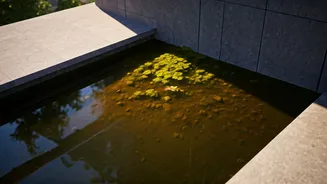
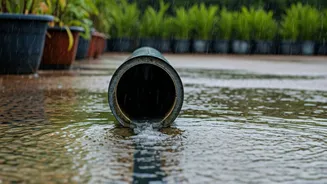
A terrace drain's job is simple but vital: to guide rainwater safely away from your home. When it gets clogged with leaves, dust, and other debris, water has nowhere to go. This leads to water pooling on your terrace, which can cause a cascade of problems.
The stagnant water can seep into the concrete slab, leading to damp patches, peeling paint, and mould growth on the ceilings and walls below. Over time, this constant moisture can weaken the building's structure, corrode steel reinforcements, and lead to expensive repairs. A blocked drain isn't just a structural risk; it also creates breeding grounds for mosquitoes.
Warning Signs of a Blockage
Your home will often give you clear signals that a drain is clogged. The most obvious sign is water pooling on the terrace long after the rain has stopped. You might also hear gurgling or bubbling sounds from the drain pipe, which is caused by trapped air trying to escape past a blockage. Another red flag is a foul, earthy smell coming from the drain, which is a result of decomposing organic matter like leaves and sludge trapped inside. If you spot any of these signs, especially if multiple drains in your home are slow, it's time to take immediate action.
Your DIY Cleaning Toolkit
Fortunately, cleaning a terrace drain is a straightforward task you can often do yourself. You don’t need a lot of fancy equipment, just a few basic tools. Before you start, gather protective rubber gloves, a small trowel or scoop to remove solid gunk, a bucket for debris, and a stiff wire brush. Having a plumber's snake (or a straightened wire hanger) can help dislodge deeper clogs. Finally, a garden hose with good pressure is essential for flushing the drain pipe clean once the major debris is removed.
A Step-by-Step Cleaning Guide
First, put on your gloves. Start by removing the drain grate or cover; some may be secured with screws. Use your hands or a trowel to scoop out all the visible debris like leaves, mud, and trash from the drain opening and the catch basin just below it. For deeper blockages, use a plumber's snake or a wire hook to pull out any stubborn gunk. After removing the solid waste, scrub the grate and the inside of the drain with a stiff brush to remove any stuck-on grime. The final step is to flush the entire system. Use a garden hose to send a strong stream of water down the drain for several minutes to clear out any remaining sediment and ensure the water is flowing freely.
Preventative Care and When to Call a Pro
Regular maintenance is the key to preventing emergencies. Aim to inspect and clean your terrace drains at least twice a year, especially before and after the monsoon season. Installing a mesh cover or drain guard can help prevent larger debris from entering the pipe in the first place. A periodic flush with hot water mixed with detergent can also help dissolve grease and sludge buildup. However, some jobs are best left to professionals. If you notice large cracks in the terrace surface, if water is backing up towards your property, or if a blockage persists despite your best efforts, it's time to call a plumber or a waterproofing expert. They can address deeper issues like pipe damage or the need for professional waterproofing solutions.