




Why Indoor Air Worsens in Winter
During winter months in India, a combination of factors turns our homes into potential pollution hotspots. Reduced ventilation is the primary culprit; we seal our windows and doors to stay warm, which traps indoor pollutants. These aren't just from outdoor
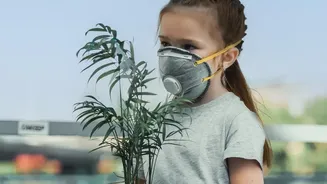
smog seeping in. Everyday activities like cooking, using cleaning products, and even burning incense sticks release volatile organic compounds (VOCs), particulate matter, and other harmful substances into the air. Compounding this is the phenomenon of temperature inversion, common in winter, where a layer of cold air traps pollutants closer to the ground, leading to higher concentrations of smog that can easily infiltrate our homes. This creates a toxic mix that can be two to five times more polluted than the air outdoors, posing risks for everyone, especially children and the elderly.
A Guide to Air Purifiers
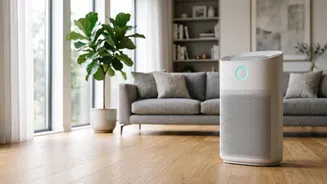
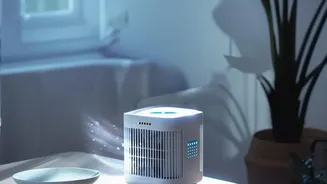
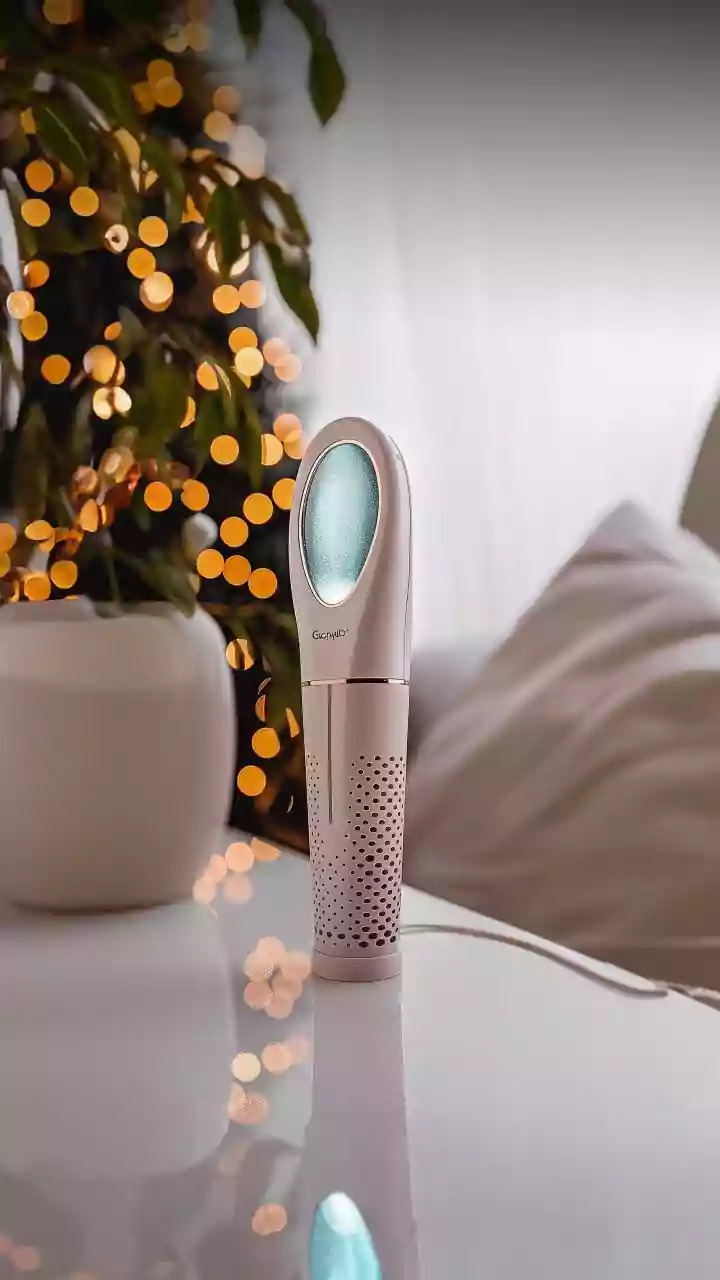
Investing in a good air purifier is one of the most effective steps to combat indoor pollution. The key feature to look for is a High-Efficiency Particulate Air (HEPA) filter. A true HEPA filter is certified to capture 99.97% of particles as small as 0.3 microns, which includes the dangerous PM2.5 particles prevalent in Indian city smog, as well as dust, pollen, and pet dander. For comprehensive protection, consider a model with an activated carbon filter, which helps remove odours, smoke, and harmful gases (VOCs). Another crucial factor is the Clean Air Delivery Rate (CADR), which tells you how quickly the purifier can clean a room. Match the CADR to your room size to ensure it works efficiently. A higher CADR is necessary for larger rooms or areas with higher pollution levels.
Your First Defence: Smart Cleaning
Before you even switch on a purifier, your cleaning routine can make a significant difference. Dust, which is a cocktail of skin cells, pet dander, and other particles, is a major source of indoor allergens. Instead of dry dusting, which can just push particles into the air, use a damp cloth to wipe down surfaces. Vacuuming carpets, rugs, and upholstery regularly is also essential. If possible, use a vacuum cleaner that has a HEPA filter to prevent the fine dust from being recirculated back into the room. Don't forget to wash bedding, curtains, and other fabrics in hot water at least once a week to kill dust mites. Finally, make it a household rule to leave footwear at the door to avoid tracking in pollutants from outside.
The Fresh Air Dilemma
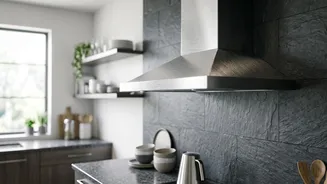
Ventilation is crucial for flushing out stale, polluted indoor air, but opening windows seems counterintuitive when the outdoor air is choked with smog. The key is to be strategic. Monitor the local Air Quality Index (AQI) using a reliable app or website. Avoid opening windows during peak pollution hours, which are often in the early morning and late evening. The best time for ventilation is typically during the sunniest, breeziest part of the afternoon when pollution levels tend to dip. Even just 10-15 minutes of cross-ventilation—opening windows on opposite sides of the house—can help exchange the indoor air without letting too much smog in. Also, always use exhaust fans in the kitchen while cooking and in the bathroom after a shower to expel moisture and pollutants directly.
Natural and Low-Cost Habits
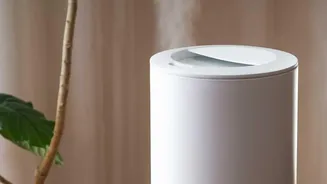
Beyond technology and rigorous cleaning, simple habits can contribute to a healthier home. Indoor plants, for instance, can play a complementary role. While not a substitute for purifiers, certain plants like the Snake Plant, Money Plant, and Areca Palm are known to absorb toxins like formaldehyde and benzene from the air. Many of these are hardy and common in Indian households. Another easy win is to control humidity. High humidity can lead to mould growth, which releases harmful spores. You can manage this by fixing leaks promptly and ensuring good ventilation in damp areas. Opting for natural cleaning products like vinegar and baking soda can also reduce the amount of chemical VOCs you release into your home's air.