


The Rise of Guilt-Free Indulgence
For years, the dessert category was driven by impulse and indulgence, not nutritional labels. That picture is changing rapidly. A new generation of Indian consumers is more health-conscious than ever, driven by a growing fitness culture and greater awareness
of wellness. Yet, the love for 'meetha' remains deeply ingrained. This created a gap in the market that high-protein desserts are perfectly positioned to fill. Brands are now offering everything from protein ice cream to sugar-free kulfi and keto-friendly cheesecakes. This isn't just a niche trend anymore; it's a fast-growing segment reflecting a fundamental shift in how we approach celebratory and everyday eating. Consumers want to enjoy their treats, but they also want those treats to align with their health objectives, whether that's building muscle, managing weight, or simply making smarter food choices.
What’s Inside These Modern Mithais?
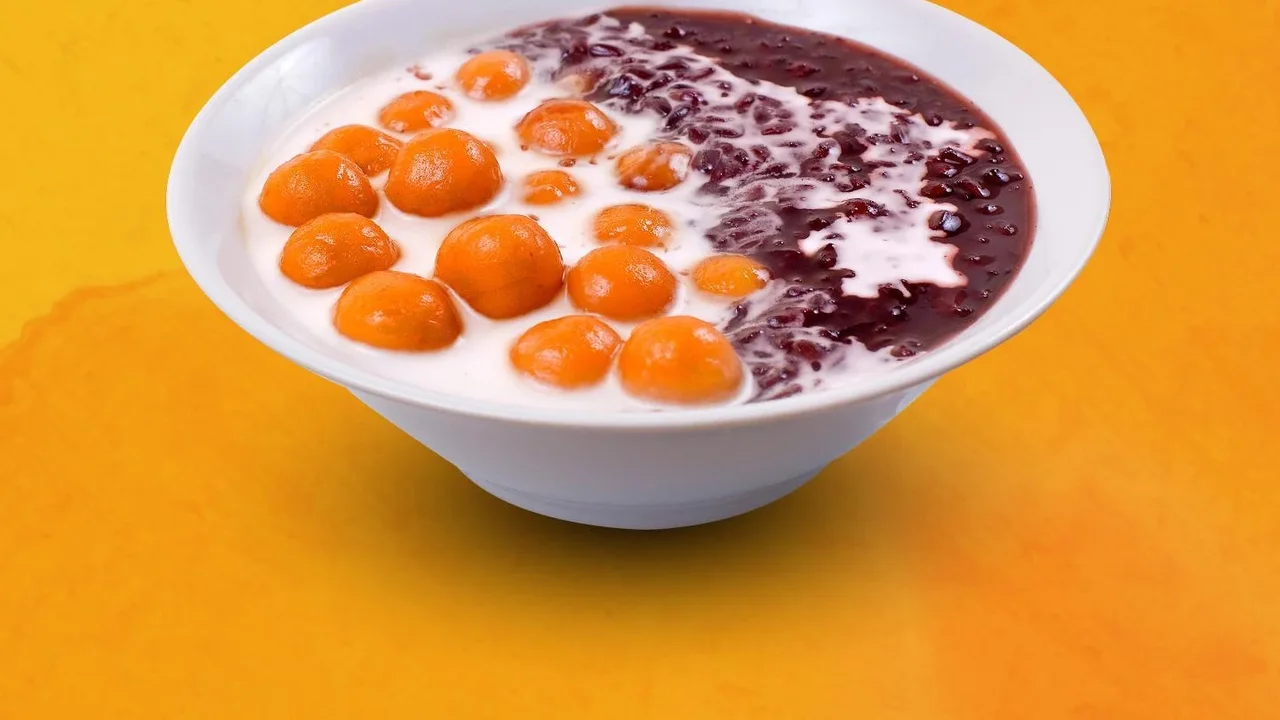
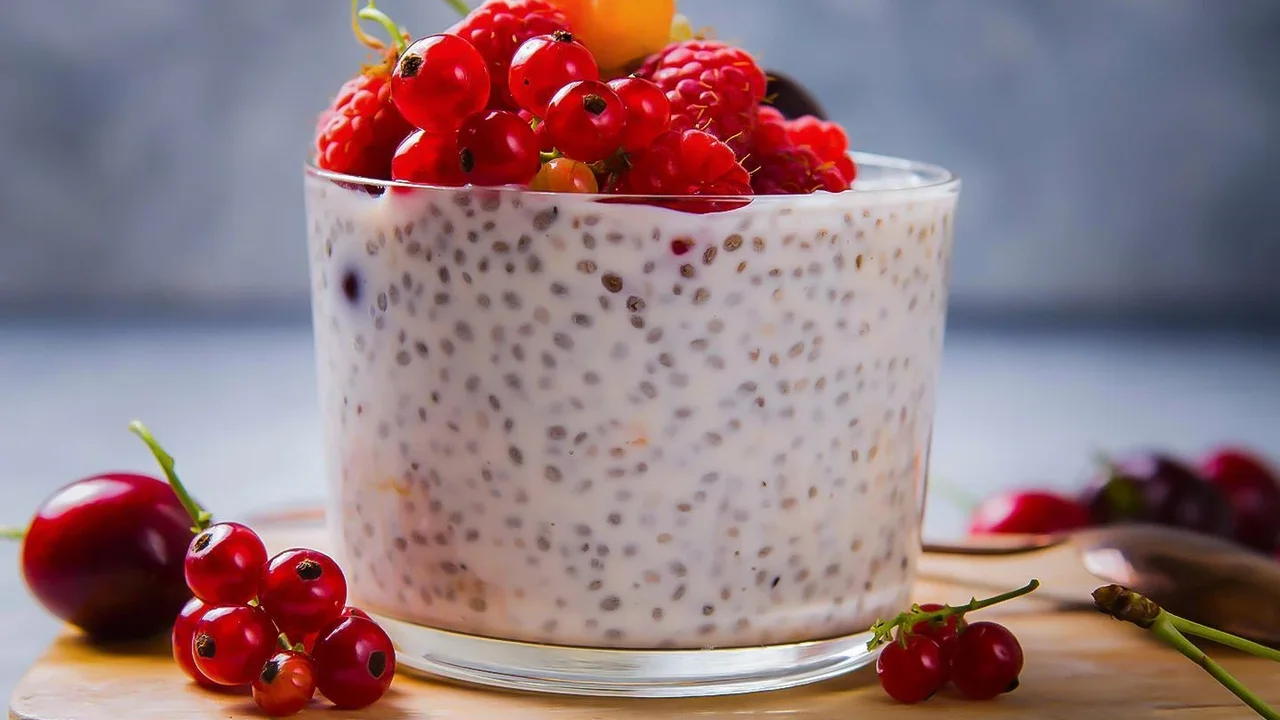
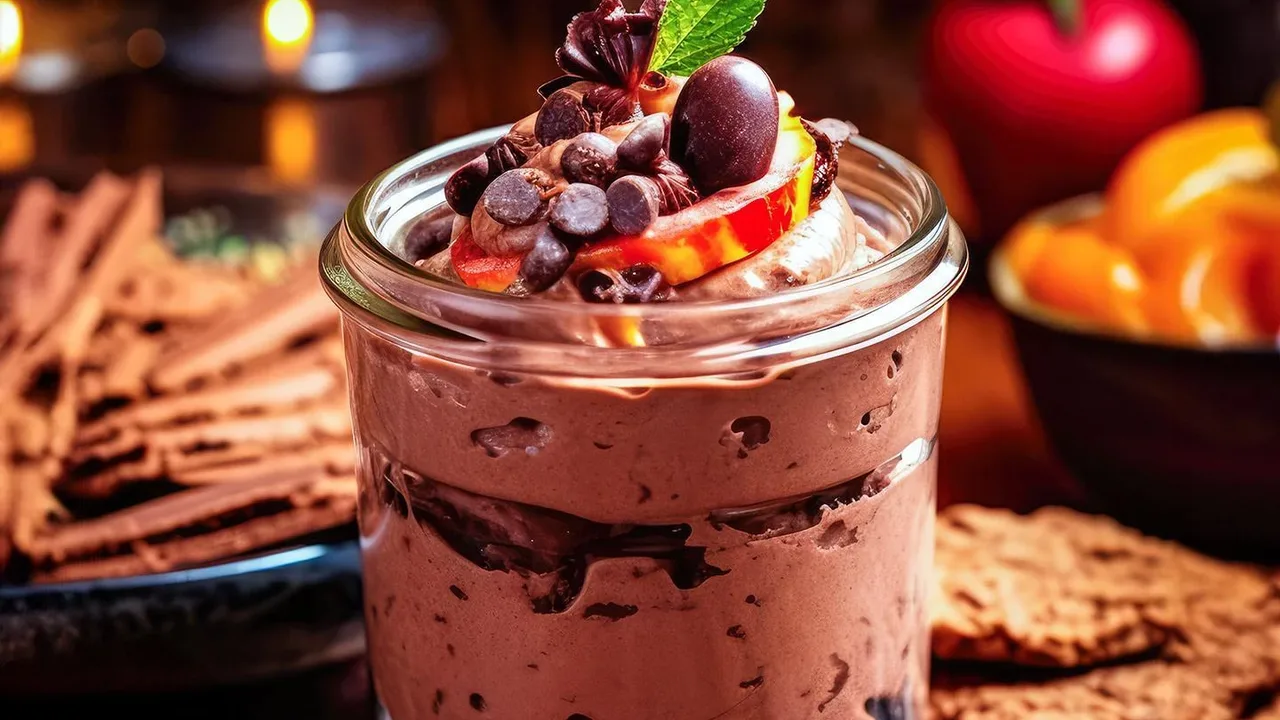
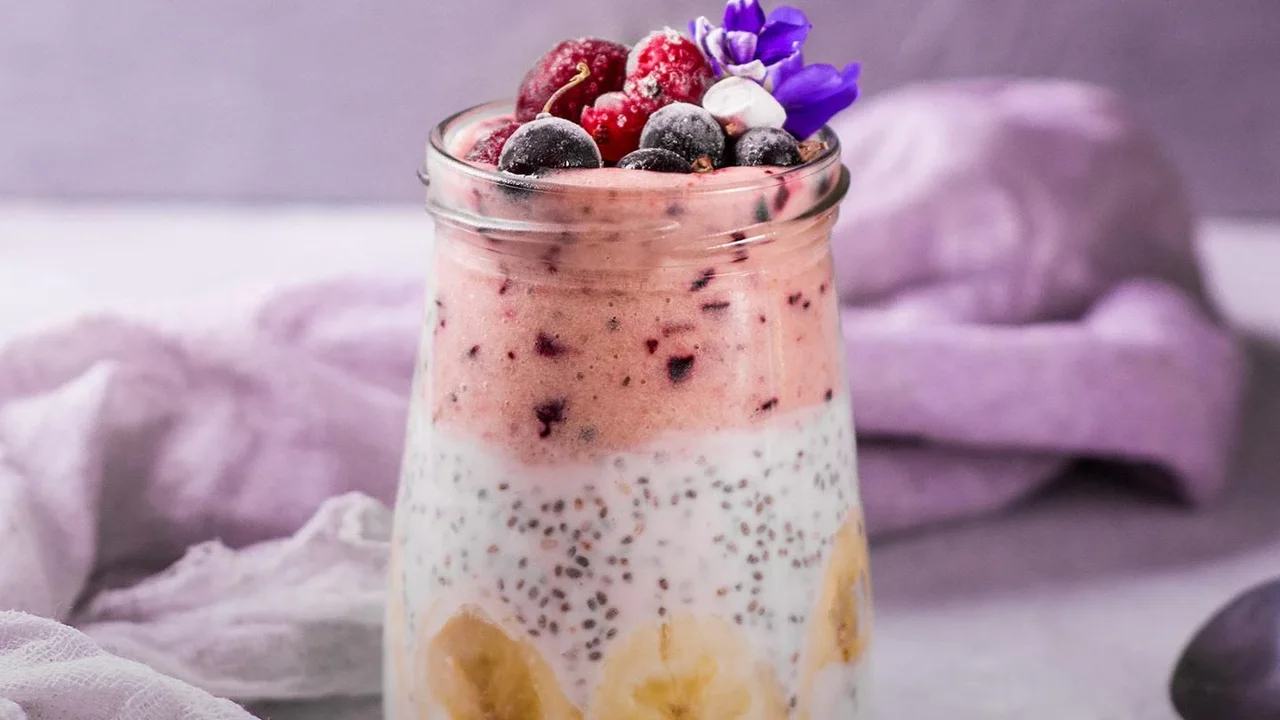
So, what makes a dessert 'high-protein'? The core idea is to reformulate traditional recipes to boost protein content while slashing sugar. Protein ice cream, for instance, is typically made with added whey or plant-based protein, and its texture is often denser than regular ice cream. Other common ingredients include Greek yogurt, cottage cheese, nuts, seeds, and various protein powders that can be seamlessly blended into anything from mousse to brownies. To replace sugar, these desserts often rely on natural sweeteners like stevia, monk fruit, or sugar alcohols such as erythritol. In India, this innovation extends to traditional sweets, with brands creating protein-packed versions of kheer, burfi, and even gulab jamun, using ingredients like almond flour, whey protein, and natural sweeteners to offer a modern, health-conscious twist on beloved classics.
Are They Actually Healthy?
The key question on everyone's mind is whether these desserts are genuinely healthy. According to dietitians, the answer is nuanced: it depends. Adding protein doesn't automatically make a dessert a health food. A protein brownie is still a brownie, after all. Experts advise looking beyond the front-of-package claims and examining the entire nutritional profile, including added sugars, saturated fats, and the quality of ingredients. The benefits are clear: protein increases satiety, meaning you feel fuller for longer, which can help control cravings and overall calorie intake. It also supports muscle repair and can help stabilise blood sugar levels. However, these desserts shouldn't replace whole-food sources of protein like dal, paneer, eggs, or lean meats. They are best viewed as a 'better-for-you' alternative to a traditional, sugar-laden dessert, not a foundational health product.
More Than Just a Protein Bar
The appeal of this trend goes beyond just hitting protein macros. It’s about psychological satisfaction. For many, completely restricting desserts can lead to cravings and eventually giving up on health goals. High-protein desserts offer a sustainable middle ground, allowing for indulgence that feels aligned with a healthy lifestyle. This is particularly relevant for those who struggle to meet their daily protein needs, such as athletes, busy adults, or older individuals at risk of muscle loss. As formulation technology improves, the taste and texture gap between traditional desserts and their high-protein counterparts is narrowing significantly. What once might have been a chalky, unsatisfying substitute can now be a genuinely rich and creamy experience, making the healthy choice an easy one.
Making Smart Sweet Choices
As the market for high-protein desserts expands, from online-only brands to dessert parlours in major cities, consumers have more choices than ever. When choosing a product, it's wise to read the label carefully. Look for options with at least 10-15 grams of protein per serving to ensure it's a meaningful amount. Pay close attention to the added sugar content; some products marketed as high-protein can still be loaded with sugar, cancelling out many of the benefits. Also, consider the source of protein, whether it's dairy-based like whey and casein or plant-based like pea or soy. Ultimately, these treats are about balance. They represent an evolution in the food industry, catering to a consumer who wants it all: flavour, satisfaction, and nutrition.