






A Pillar of India's Rural Economy
India is the world's largest milk producer, accounting for nearly a quarter of the global supply. The dairy sector is the backbone of the country's agricultural economy, contributing significantly to GDP and providing a crucial income stream for over
80 million farming families. Unlike seasonal crops, dairy provides a regular, often daily, source of cash for smallholders, many of whom own just a few animals. This consistent income is vital for household nutrition, education, and financial stability, acting as an insurance policy against crop failure in an era of unpredictable weather. The industry's success, built through decades of effort like Operation Flood, has ensured national self-sufficiency in milk, a remarkable achievement that is now being tested by a changing climate.
The Science of Heat Stress in Cattle
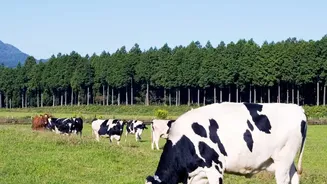
Cattle, particularly high-yielding crossbred varieties common in India, are sensitive to their thermal environment. They experience heat stress when high temperatures and humidity prevent them from effectively dissipating the metabolic heat their bodies generate. This critical threshold is often measured by the Temperature-Humidity Index (THI); once it crosses a certain point, physiological stress begins. Animals exhibit clear signs: they reduce their feed intake, pant with open mouths, drink more water, and seek shade. This is not just discomfort; it is a survival response. The animal's body diverts energy away from productive functions like making milk and towards the vital task of staying cool. With summers in India becoming longer and more intense, the periods of heat stress are extending, putting a continuous strain on livestock.
Falling Milk Yields and Economic Losses
The most immediate and damaging consequence of heat stress is a drop in milk production. Studies show that milk yields can decline by 10% to 30% during periods of intense heat. For a small farmer, this is a direct cut to their daily income. Beyond quantity, heat stress also degrades milk quality by reducing its fat and protein content, which further lowers the price farmers receive at market. The economic implications are staggering. Some estimates suggest India is already losing over 3 million tonnes of milk annually due to heat stress, a loss valued in the thousands of crores. Projections warn that without significant adaptation measures, India's milk output could decline by as much as 25% by 2085, threatening the livelihoods of millions and the nation's food security.
Broader Impacts on Health and Reproduction
The damage from heat stress extends beyond the milk pail. It compromises the animals' immune systems, making them more susceptible to diseases and infections. This leads to higher veterinary costs and increased animal mortality rates during extreme weather events. Reproduction is also severely affected. Heat stress can lower conception rates, disrupt fertility cycles, and even harm developing embryos, leading to longer intervals between calving and a less productive herd over time. This creates a vicious cycle for farmers: lower milk production is compounded by fewer calves and higher expenses, squeezing already tight profit margins.
The Search for Climate-Smart Solutions
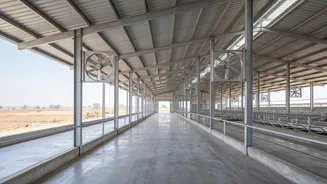
Fortunately, a range of solutions exists to mitigate the impacts of heat stress. Simple, low-cost farm management changes can make a significant difference. Providing adequate shade is the first line of defence. Cooling systems, such as sprinklers and fans, can offer immediate relief by helping animals cool down through evaporation. Ensuring constant access to clean, cool drinking water is also critical, as water intake can double during hot weather. Nutritional management plays a key role, with specialised feeds that are easier to digest and help maintain an animal's energy balance. Looking long-term, government programmes are exploring climate-resilient agriculture and the breeding of more thermo-tolerant indigenous cattle breeds, which are better adapted to Indian conditions than many crossbreds.