






Beyond Biceps: What Is Functional Strength?
First, let's define our terms. 'Functional strength' isn't about having the biggest muscles or lifting the heaviest barbell in the room. Instead, it’s about your body's ability to perform everyday movements efficiently, safely, and without pain. Think
about the physical tasks you do without a second thought: carrying heavy shopping bags, lifting a gas cylinder, hoisting a child onto your hip, or placing a suitcase in an overhead bin. These all require a coordinated effort from multiple muscle groups working together. Functional strength is the strength that makes these activities feel manageable and reduces your risk of pulling a muscle or injuring your back while doing them.
Training for Life, Not Just the Gym
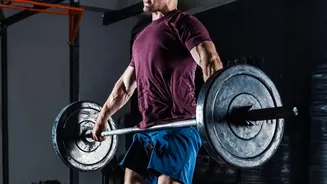
The secret to building this practical strength lies in choosing the right exercises. Many weightlifting movements, especially compound exercises, directly mimic the actions we perform in daily life. A squat, for instance, is the exact pattern you use to get up from a chair or a low stool. A deadlift trains the same coordinated hinging motion you need to safely lift a heavy object off the floor without straining your back. Rows and overhead presses build the strength for pulling open heavy doors and putting things away on a high shelf. Because these exercises engage multiple joints and muscles at once—your legs, core, back, and arms—they teach your body to work as an integrated system, just as it needs to in the real world.
A Smarter and Stronger Body
The benefits of lifting weights go deeper than just muscle tissue. Strength training fundamentally changes how your brain communicates with your body. This process involves neuromuscular adaptations, where your nervous system becomes more efficient at recruiting muscle fibres to perform a task. With practice, your coordination, balance, and stability improve dramatically. Your brain learns to fire the correct muscles in the correct sequence to create smooth, powerful, and controlled movements. This enhanced 'muscle memory' is why a person who trains regularly can lift a heavy box with good form, protecting their spine, while someone else might use awkward, jerky movements that lead to injury.
Building a Resilient Foundation
Functional strength is also about durability. The stress that weightlifting places on your skeleton sends a signal to your body to build denser, stronger bones. This is a powerful way to combat the natural loss of bone density that occurs as we age, significantly reducing the risk of conditions like osteoporosis and fractures from falls. Furthermore, strength training reinforces the muscles, tendons, and ligaments that support your joints. Stronger muscles around your knees, hips, and shoulders provide stability, helping to prevent the sprains and strains that can happen during a sudden twist or a misstep.
An Investment in Your Future Self
Perhaps the most compelling benefit of functional strength is its role in promoting lifelong independence. Maintaining muscle mass and strength is crucial for healthy aging. It allows older adults to continue performing activities of daily living—like getting out of bed, climbing stairs, and carrying their own groceries—without assistance. This ability to remain self-sufficient is directly linked to a higher quality of life and improved mental well-being. By making strength training a regular part of your life now, you are making a direct investment in a more capable, confident, and independent future.