



An Introduction to the Seated Row
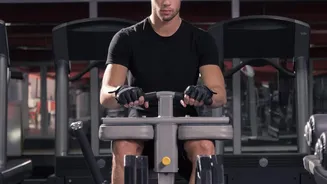
The seated row is a staple exercise in many gyms, performed on a machine with a seat, footplates, and a handle attached to a cable or weight stack. You sit down, brace your feet, and pull the handle toward your torso in a movement that mimics rowing a boat.
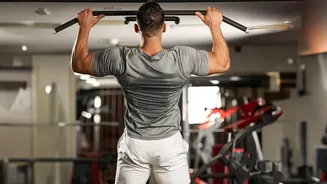
This compound exercise is prized for its ability to work several key muscle groups in the upper body simultaneously. The primary muscles targeted are in your back—specifically the latissimus dorsi (lats), the large muscles that give your back width, and the rhomboids and trapezius, which are located between your shoulder blades. Your biceps and forearms also get a good workout as secondary muscles.
Why It Is Perfect for Beginners
For those new to strength training, the seated row offers several advantages over free-weight alternatives like barbell or dumbbell rows. The machine provides stability and guides you through a fixed path of motion, which significantly reduces the risk of injury and makes it easier to learn proper form. Being seated with your chest supported (on some machine versions) helps isolate the back muscles and prevents you from using momentum to lift the weight. This structure allows you to focus on the mind-muscle connection, learning to feel the correct muscles working—a crucial skill for long-term progress in the gym. It is an excellent foundation for building the strength needed for more advanced pulling exercises.
Your Step-by-Step Guide to Proper Form
Executing the seated row correctly is key to maximising its benefits and preventing injury. Start with a light weight you can control. First, adjust the seat so your arms are level with the handles when extended. Sit upright on the bench with your feet firmly on the foot pads, knees slightly bent. Keep your spine neutral and your back straight—do not slouch. Extend your arms to grab the handle. Before you pull, retract your shoulder blades, pulling them back and down. Brace your core muscles. Exhale as you pull the handle toward your abdomen, keeping your elbows tucked in close to your sides. Squeeze your shoulder blades together at the peak of the movement. Pause for a second, then inhale as you slowly extend your arms back to the starting position in a controlled manner, resisting the pull of the weight.
Common Mistakes to Avoid
Several common errors can undermine your efforts and increase your risk of injury. The most frequent mistake is using momentum by swinging your torso back and forth. This takes the work off your back muscles and places stress on your lower back. Another error is rounding the back instead of keeping it straight, which can compromise your spine. Watch out for shrugging your shoulders up toward your ears; this shifts the work to your upper traps instead of your mid_back. Lastly, avoid pulling primarily with your biceps. Think of your hands as hooks and focus on driving your elbows backward to initiate the movement from your back. If you're making these mistakes, it's often a sign that the weight is too heavy.
Progressing and Varying the Exercise
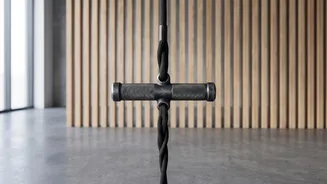
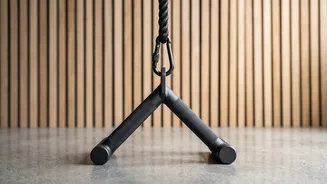
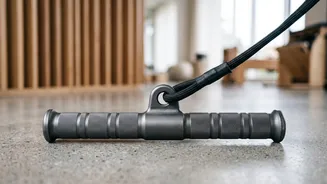
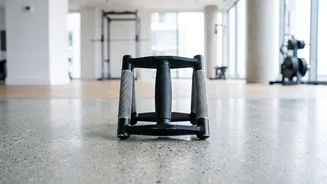
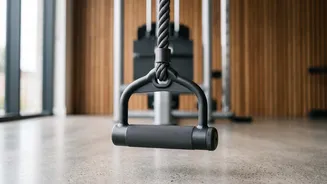
Once you have mastered the basic form, there are several ways to keep challenging yourself. The most straightforward method is to gradually increase the weight. You can also change the handle attachment. A narrow, neutral_grip V_handle tends to emphasise the lats, while a wider bar with an overhand grip will target the upper back and rear deltoids more. Another variation is the single_arm row, using a D_handle attachment. This unilateral movement forces your core to work harder to prevent rotation and can help address any muscle imbalances between the left and right sides of your body.