







A Symphony of Living Light
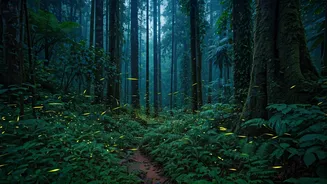
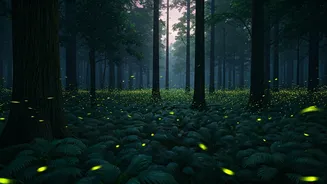
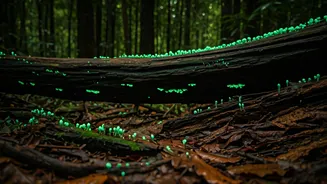
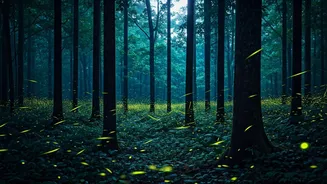
Each year, for a few precious weeks before the monsoon rains arrive, a breathtaking natural phenomenon unfolds in the Sahyadri ranges of the Western Ghats. Millions of fireflies, or *jugnu* as they are locally known, emerge for their annual mating ritual.
Entire trees and forest clearings become canvases for their bioluminescent courtship, with males flashing in synchronised patterns to attract females. The air, thick with the scent of damp earth and blooming flowers, glitters with a silent, pulsating light show. It's a deeply immersive experience that feels both otherworldly and profoundly connected to the cycles of nature.
The Science Behind the Spectacle
What you're witnessing is not just magic, but a beautiful display of biology. Fireflies produce 'cold light' through a chemical reaction in their lower abdomens involving a substance called luciferin, an enzyme called luciferase, and oxygen. This light is incredibly efficient, producing almost no heat. The flashing patterns are a form of communication—a complex language of love. Different species have unique flash patterns, durations, and colours, from yellow to green to pale red. The synchronised flashing seen in large congregations is a mesmerising behaviour that scientists believe helps males stand out and makes it easier for females to respond, creating the unforgettable waves of light that ripple through the forest.
When and Where to Go
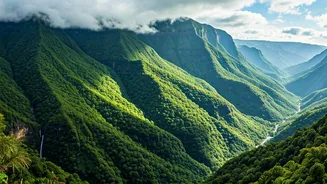
The firefly season is a fleeting affair, typically lasting from the last week of May to mid-June, right in the build-up to the monsoon. The warm, humid conditions are perfect for the insects. Several locations in Maharashtra, nestled in the Western Ghats, have become famous for their firefly festivals. Key spots include: - **Purushwadi:** This village, adopted by the eco-tourism group Grassroutes, is one of the most famous destinations. Local villagers host visitors and guide them on night walks. - **Rajmachi:** The trek to Rajmachi fort is popular year-round, but it becomes truly special during firefly season. The forests surrounding the village of Udhewadi at the base are teeming with them. - **Bhandardara:** Known for its dam and scenic beauty, the area around Wilson Dam and Arthur Lake, particularly villages like Samrad, offers spectacular firefly sightings. - **Prabalmachi:** This plateau, located near Panvel, is another popular trekking destination that offers stunning firefly displays against the backdrop of the Kalavantin Durg pinnacle.
Finding a Guided Walk
While you could technically visit these areas on your own, opting for a guided walk or a festival package is highly recommended. Local guides and trekking groups not only know the safest routes and the best viewing spots, but their involvement also supports the local economy. Many villages, like Purushwadi, have developed community-based tourism models around this phenomenon. Trekking companies based in Mumbai and Pune offer weekend packages that typically include transport, simple local meals, and guided night walks. Booking in advance is essential as these tours are incredibly popular and fill up fast.
How to Be a Responsible Viewer
The firefly population is a delicate part of the ecosystem, and it's crucial to observe them with respect. The surge in tourism has put pressure on their habitat, so following a few simple rules can make a big difference. 1. **No Artificial Light:** Avoid using flashlights or your phone’s flash. The fireflies’ light is for communication; our harsh lights can confuse and disrupt their mating cycle. If you need a torch to see the path, cover it with red cellophane paper, which is less disruptive. 2. **Stay Quiet:** This is a natural spectacle. Enjoy the silence of the forest and avoid loud music or shouting. 3. **Don't Touch or Catch:** Never attempt to catch the fireflies. Enjoy their beauty from a respectful distance. 4. **Leave No Trace:** Do not litter. Carry all your waste back with you and leave the forest cleaner than you found it.