
The Enduring Allure of the Side Part
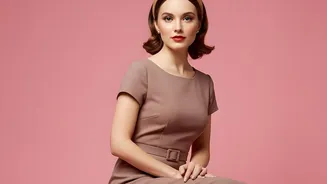
From the sleek bobs of the jazz age to the voluminous waves of Old Hollywood, the side part has been a constant source of drama and sophistication. Unlike a center part, which creates symmetry, a deep side part adds instant asymmetry, drawing attention
to the eyes and cheekbones while providing a foundation for sculptural waves and rolls. It's a simple switch that holds the power to evoke a bygone era, whether you're aiming for the rebellious chic of the Roaring Twenties or the polished glamour of the 1940s. Its versatility is its strength, allowing for countless interpretations that feel both nostalgic and surprisingly modern.
The Roaring Twenties: Sleek, Sharp, and Sculptural
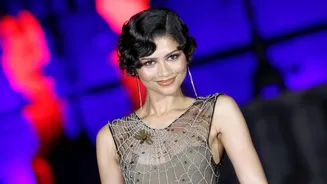
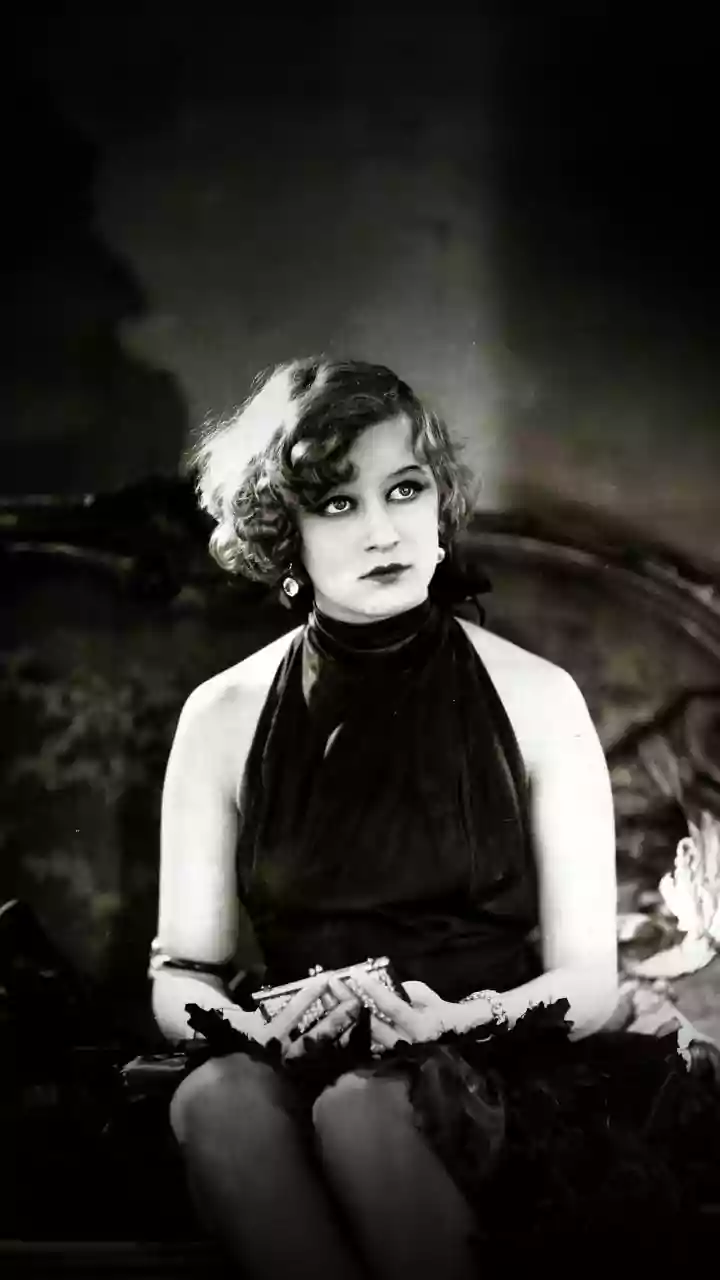
The 1920s were defined by liberation and a dramatic shift in style, and hairstyles were no exception. The iconic look of the era was short, sharp, and styled close to the head. Central to this was the deep side part, often paired with sleek finger waves. This style, worn by flappers and film stars alike, was a symbol of the modern woman. To get the look, you don't need to commit to a bob. You can create a faux version by styling damp hair with a strong-hold gel or mousse. Using a fine-toothed comb, create a deep side part. Then, using your fingers and the comb, push the hair back and forth to create an 'S' shape, clipping each curve in place as you go. Let it dry completely before removing the clips for a defined, sculptural wave that captures the spirit of the Jazz Age.
The Forties: Polished Glamour and Victory Rolls
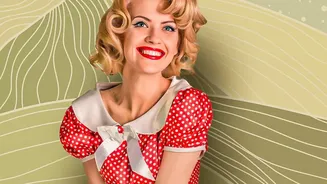
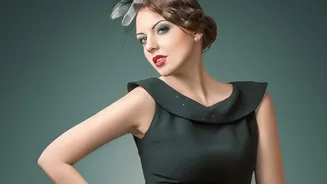
The 1940s ushered in an era of structured glamour, with hairstyles that were voluminous yet impeccably polished. The side part remained a crucial element, often serving as the starting point for the decade's most famous look: victory rolls. These sausage-shaped rolls of hair, pinned high on the head, were both a practical way for women in the workforce to keep their hair tidy and a patriotic symbol. To create a simplified version, start with a deep side part. Take a section of hair from the front, backcomb it lightly at the roots for volume, and then roll the hair inward toward your scalp, tucking the ends under. Secure the roll with bobby pins. The rest of the hair was often styled into soft, brushed-out waves, creating a look that was strong, feminine, and utterly glamorous.
The Sixties: Mod Volume and Asymmetric Bobs
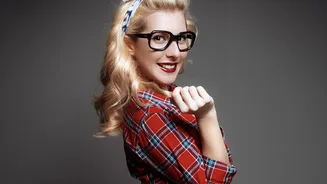
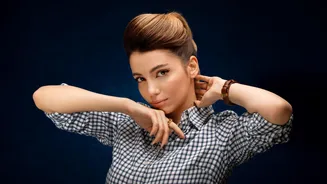
The 1960s saw a return to shorter, geometric cuts, but with a new emphasis on volume and height. The 'mod' look, popularized by British youth culture, often featured sharp bobs and pixie cuts with a heavy fringe or a clean side part. Unlike the sleek styles of the 20s, the 60s side part was all about creating lift and asymmetry. Think of voluminous, rounded bobs where a deep part allows one side to sweep dramatically across the forehead. To achieve this, blow-drying the hair in the opposite direction of the part can create significant volume at the roots. A classic '60s bob, like the pageboy, was often worn straight with the ends curled inwards, a look that was both neat and rebellious.
Modern Tools for a Vintage Look
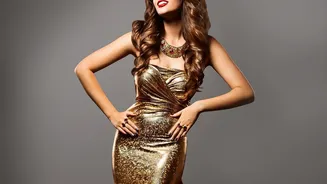
You don't need a full set of vintage styling tools to bring these looks to life. Modern curling wands and straighteners are perfect for creating the foundational curls and waves. For Old Hollywood waves, curl all sections of your hair in the same direction. Once cooled, brush them out with a paddle brush to form a uniform 'S' wave pattern. Setting sprays provide hold without the stiffness of old-fashioned lacquers, and volumizing powders can give you the lift needed for 40s rolls or 60s height without endless teasing. The key is to prep the hair correctly, often with a mousse or heat protectant, to ensure the style holds its shape. With the right techniques, you can easily channel the elegance of a bygone era.