





The Rise of the ‘Cool-cation’
Soaring global temperatures are fundamentally changing how we vacation. [1] With recent summers shattering heat records, many popular destinations in Southern Europe and beyond have become uncomfortably hot, with some authorities even closing major tourist
sites like the Acropolis during peak heat. [1, 19] In response, travellers are increasingly seeking out ‘cool-cations’—trips to destinations with more temperate climates. [1, 4] This trend isn’t just about escaping the heat; it's a reaction to the downsides of mass tourism. [13] Many travellers now also crave personal space, pushing them away from perennially overcrowded cities and beaches. [1, 5] The result is a growing interest in destinations that offer both milder weather and a more relaxed atmosphere. [9]
Where Are Travellers Going?
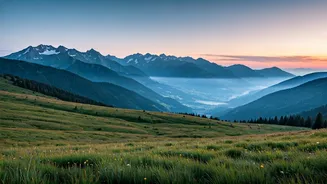
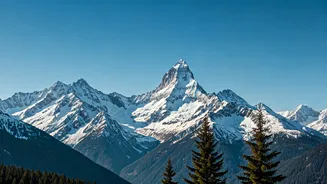
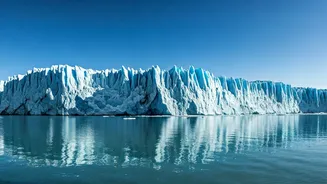
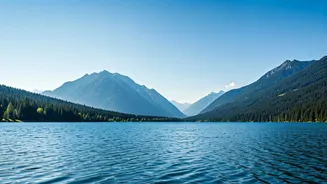
The compass for summer travel is increasingly pointing north. Countries like Iceland, Finland, Norway, and Sweden are seeing a surge in interest. [12, 18, 22] These Nordic countries offer breathtaking natural landscapes, from fjords to vast forests, and comfortable summer temperatures that are ideal for outdoor activities like hiking and kayaking. [9, 22] A recent study even ranked Iceland, Finland, and Norway as the top three European countries for escaping summer heat. [12] Other destinations gaining traction include the Baltic states of Estonia, Latvia, and Lithuania, which boast cool weather, low population density, and remain relatively undiscovered. [12] It's not limited to Europe; cooler regions in Canada, the Rocky Mountains, and even parts of Asia like Yunnan, China, are becoming popular alternatives. [4, 23]
It’s Not Just About Where, But When
Beyond choosing cooler destinations, savvy travellers are rethinking *when* they take their holidays. Enter the ‘shoulder season’—the periods just before and after the peak summer rush, typically April-May and September-October in the Northern Hemisphere. [5, 8] Travelling during these months offers a sweet spot of benefits. [3] The weather is often milder and more pleasant than in the scorching peak season, and destinations are significantly less crowded. [2, 6] This means shorter lines at museums, more space at iconic landmarks, and a more authentic, less frantic travel experience. [5] Perhaps the biggest perk is the financial savings; flights, accommodation, and car rentals tend to be much more affordable outside of the high-demand summer months, allowing your budget to stretch further. [2, 3]
How to Plan Your Own Escape
Ready to trade sweat for serenity? Start by looking at destinations known for their temperate climates, like Scandinavia, Scotland, Ireland, or Canada's coastal regions. [4, 10] If you still have your heart set on a traditionally warm country, plan your trip for the shoulder season. Visiting Italy or Greece in October instead of August can provide a completely different, and often more enjoyable, experience. [2, 14] When planning, check average temperatures and rainfall for your chosen time, but also look for local festivals or events that might make a shoulder-season trip even more special. [3] Embracing this new approach often means slower, more mindful travel, allowing you to connect more deeply with a destination without the stress of extreme heat and overwhelming crowds. [13]