




Why Natural Pest Control Matters
In the confined space of a balcony, what you spray on your plants matters. Commercial chemical pesticides can drift into your living areas and pose risks to children, pets, and beneficial insects like bees that might visit your urban oasis. Opting for
homemade remedies like neem oil and soapy water is not only safer for your household but also better for the environment. These solutions target specific pests with minimal collateral damage, ensuring your balcony remains a healthy and vibrant ecosystem. They break down quickly, leaving no lasting residue, which is especially important for any herbs or vegetables you might be growing.
The Power of Neem Oil
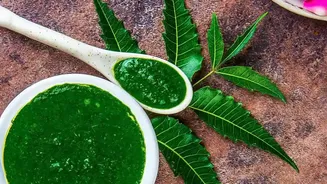
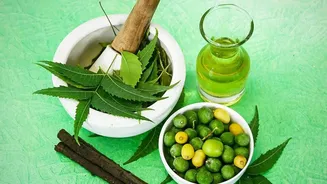
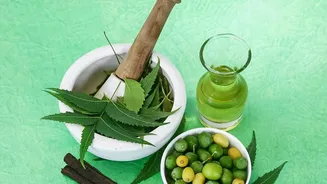
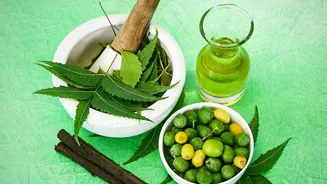
Derived from the seeds of the neem tree, this oil is a cornerstone of organic gardening for a reason. Its primary active component, azadirachtin, works in multiple ways. It acts as a repellent and an 'antifeedant', making treated leaves unappetizing to munching pests. It also functions as a hormone disruptor, interfering with the growth and reproduction of insects. It is particularly effective against common soft-bodied pests like aphids, mealybugs, whiteflies, thrips, and spider mites. Unlike some harsh chemicals, it doesn't kill insects on instant contact but rather works over time to dismantle their lifecycle, leading to a gradual but effective population decline.
How to Make and Use Neem Oil Spray
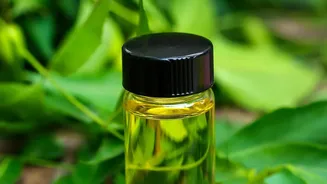
Creating your own neem oil spray is simple, but getting the mixture right is key. You'll need pure, cold-pressed neem oil for the best results, as this form retains the highest concentration of active ingredients. For a basic spray, mix one teaspoon of neem oil and about a quarter to a half teaspoon of a mild liquid soap (like castile soap) into one litre of warm water. The soap is crucial; it acts as an emulsifier, allowing the oil and water to mix properly. Without it, the oil will simply float on top. Shake the solution vigorously in a spray bottle before and during application. Thoroughly coat all parts of the plant, paying special attention to the undersides of leaves where pests love to hide.
The Simplicity of Soapy Water
For an even simpler and more immediate solution, soapy water is remarkably effective against many of the same soft-bodied pests. The fatty acids in the soap work to dissolve the protective waxy outer layer of insects like aphids and spider mites, causing them to dehydrate and die. This method is a contact killer, meaning it only works when the spray directly coats the pest. It has no residual effect, which makes it very safe but also means reapplication may be necessary. It’s an excellent first line of defense, especially for light infestations you catch early.
Crafting the Perfect Soapy Water Mix
The key to a safe and effective soapy water spray is using the right kind of soap. Avoid using detergents, degreasers, or any dish soap with bleach, as these can be harsh and damage plant leaves. A simple, pure liquid soap like castile soap is the ideal choice. To create your spray, mix about one tablespoon of liquid soap into one litre of water. A higher concentration is not better and can increase the risk of harming your plants. Like the neem oil spray, pour this mixture into a spray bottle and shake well before use. This simple concoction is a cost-effective and readily available tool in any gardener's pest management arsenal.
Best Practices for Application
How and when you apply these sprays is as important as the recipe. First, always perform a 'patch test': spray a small, inconspicuous leaf on your plant and wait 24 hours to ensure there is no adverse reaction like burning or discoloration. The best time to spray is in the early morning or late evening. Applying these solutions, especially neem oil, in direct, hot sunlight can cause the leaves to scorch. Ensure complete coverage, as both sprays need to contact the pests to be effective. Don't be afraid to drench the plant, letting the solution drip from the leaves. For active infestations, you may need to reapply every 5-7 days until the pests are gone.