


Beyond the vibrant energy of Rio's Carnival and the sprawling urban landscape of São Paulo lies a Brazil waiting to be discovered. For travellers seeking authenticity, these five hidden gems offer a glimpse into the country's diverse soul.
Olinda, Pernambuco: A Living Colonial Museum
Just a stone's
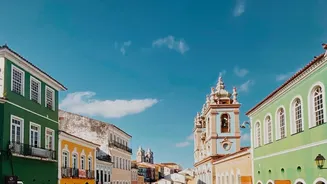
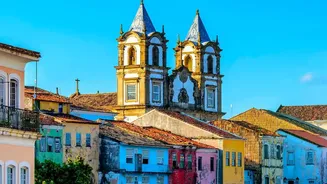
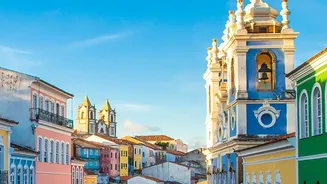
throw from the bustling city of Recife, Olinda is a UNESCO World Heritage site that feels like a step back in time. Its steep, cobblestone streets are lined with brilliantly coloured colonial houses, historic baroque churches, and charming convents. The city, whose name translates to 'Oh, what a beautiful location', lives up to its moniker with stunning views of the Atlantic Ocean and the Recife skyline from its highest point, Alto da Sé. But Olinda is no sleepy relic; it's a vibrant cultural hub. The streets are filled with artists' studios and workshops, welcoming visitors to browse local paintings and sculptures. The town is also famous for its unique Carnival celebration, which is free and features giant papier-mâché puppets, known as 'bonecos gigantes', parading through the streets to the rhythm of frevo and maracatu music.
Chapada Diamantina, Bahia: The Hiker's Paradise
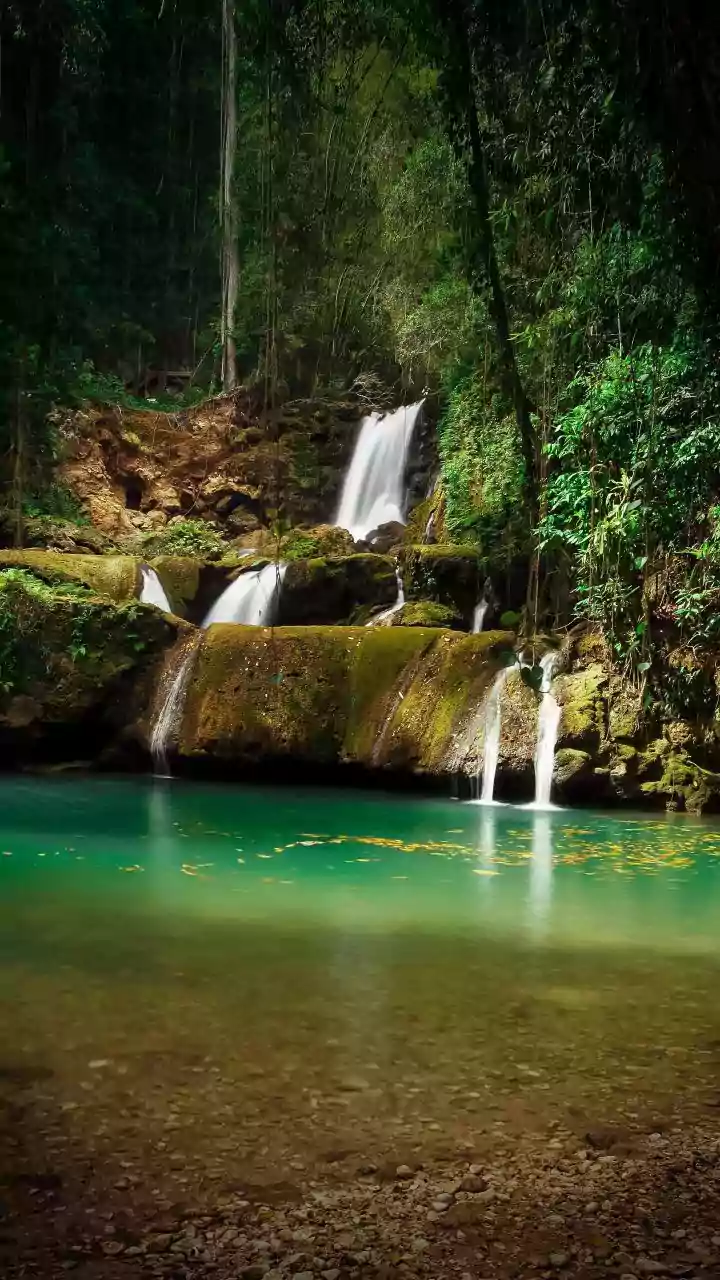
Deep in the heart of Bahia state lies Chapada Diamantina National Park, a breathtaking landscape of towering plateaus, vast canyons, and hidden waterfalls. Once the centre of a 19th-century diamond rush, the region is now a protected treasure for ecotourism and adventure. The charming town of Lençóis serves as the main gateway, a base from which to explore the park's wonders. A must-do is the hike to the top of Pai Inácio Hill for panoramic sunset views that are nothing short of magical. Another highlight is the trek to Cachoeira da Fumaça, or 'Smoke Waterfall', one of Brazil's tallest, where the water vaporises into a cloud of mist before it even reaches the ground. For a truly unique experience, you can swim in the crystal-clear, turquoise waters of underground cave pools like Poço Azul, where beams of sunlight create an otherworldly glow.
Ilha de Boipeba, Bahia: The Unspoiled Island Escape
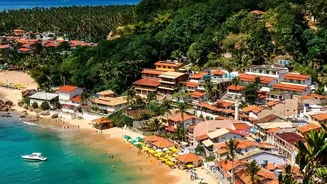
For those who dream of tranquil, undeveloped beaches, Ilha de Boipeba is a true paradise. Part of the Tinharé Archipelago, this car-free island is a designated UNESCO Biosphere Reserve, preserving its rich natural heritage. Life here moves at a slower pace, dictated by the tides. You can walk between stunning beaches like Cueira, with its endless coconut groves, and Moreré, which is famous for its natural pools that form in the coral reefs at low tide, perfect for snorkelling. The island offers a rustic-chic atmosphere without large hotel chains, focusing instead on charming pousadas and family-run restaurants serving authentic Bahian cuisine. Whether you're exploring the mangrove forests by canoe or simply relaxing on a deserted stretch of sand, Boipeba offers a genuine escape from the hustle of modern life.
Alter do Chão, Pará: The Amazonian Caribbean
Imagine white-sand beaches and clear, turquoise water, not on the coast, but in the heart of the Amazon rainforest. Welcome to Alter do Chão, a village on the banks of the Tapajós River, a major tributary of the Amazon. Nicknamed the 'Caribbean of the Amazon', this destination offers a unique beach experience. During the dry season (roughly August to January), the river recedes to reveal stunning freshwater beaches, most famously the Ilha do Amor (Island of Love). This spit of sand is perfect for relaxing, with tables and chairs set right in the shallow, warm water, allowing you to sip a caipirinha with your feet in the river. While still a hidden gem for international tourists, it's a beloved spot for Brazilians seeking a laid-back vibe and a deep connection with nature.
The Pantanal: A Wildlife Safari Wonderland
Often overshadowed by the Amazon, the Pantanal is the world's largest tropical wetland and arguably the best place in South America for wildlife viewing. Unlike the dense jungle, the Pantanal's open landscapes make it easier to spot its incredible array of fauna. This is a prime destination for seeing jaguars in their natural habitat, especially along the riverbanks of the Northern Pantanal. Boat safaris and overland trips offer chances to encounter giant river otters, capybaras, tapirs, giant anteaters, and hundreds of bird species, including the iconic hyacinth macaw and jabiru stork. The region is primarily made up of privately-owned ranches, many of which now host eco-lodges that offer guided tours and contribute to conservation efforts, providing a truly immersive and responsible wildlife experience.