


The Hidden Risk in Rice
The main concern with leftover rice is a bacterium called Bacillus cereus. This microbe is found in soil and can be present on uncooked rice. While the cooking process kills most bacteria, it may not eliminate the heat-resistant spores of B. cereus. If
cooked rice is left at room temperature for too long, these spores can germinate, multiply, and produce toxins. This is sometimes called 'fried rice syndrome'. Crucially, reheating the rice can kill the bacteria, but it will not destroy the heat-stable toxins that have already formed, which can lead to food poisoning with symptoms like vomiting and diarrhoea.
The Golden Rules of Safe Storage
The key to preventing bacterial growth is to cool the rice down as quickly as possible. Do not leave cooked rice sitting on the counter for more than two hours—or one hour if the temperature is high. To speed up the cooling process, spread the rice in a thin layer on a baking sheet or a shallow dish. You can also divide large quantities into smaller containers. Another effective method is to rinse the rice under cold running water in a strainer, though this works best for plain rice. Once cooled, pack the rice into an airtight container and place it in the refrigerator immediately. This limits the time the rice spends in the 'danger zone' (between 5°C and 60°C) where bacteria thrive.
Reheating Rice the Right Way
When you're ready to eat your leftovers, reheating must be done thoroughly. Whether using a microwave or a stovetop, ensure the rice is steaming hot all the way through, reaching an internal temperature of at least 74°C (165°F). If using a microwave, add a tablespoon or two of water to the rice and cover it to help create steam, which prevents it from drying out. Stir it halfway through to ensure even heating. It is also a critical food safety rule to only reheat rice once. Each cycle of cooling and reheating increases the risk of bacterial growth. If the rice has been stored correctly in the fridge, it should be consumed within two to four days.
From Leftover to Lunch: Quick Lemon Rice
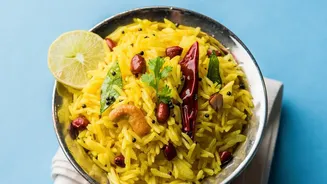
One of the most popular ways to use leftover rice in India is turning it into lemon rice, or Chitranna. The cold, separate grains are perfect for this dish. Simply prepare a tempering (tadka) of mustard seeds, lentils (urad dal and chana dal), peanuts, and curry leaves in oil. Add turmeric, green chillies, and asafoetida. Turn off the heat, mix in your cold rice and a generous squeeze of lemon juice, and season with salt. It’s a fast, flavourful, and satisfying meal that comes together in minutes.
A Savoury Second Act: Crispy Rice Tikki
Don't discard rice that has become a bit mushy. Instead, transform it into crispy rice cutlets or tikki. Mash the leftover rice with some boiled and mashed potatoes, finely chopped onions, coriander, and spices like cumin powder, garam masala, and chilli powder. Form the mixture into small patties. You can then shallow-fry, pan-fry, or even air-fry them until they are golden brown and crisp on the outside. These make for a perfect evening snack, served with mint chutney or tamarind sauce.
The Ultimate Comfort Food: Curd Rice
For a soothing and simple meal, nothing beats curd rice, or Thayir Sadam. It's especially good for digestion. Simply mix your leftover rice with plain yoghurt. You can eat it as is with a little salt, or elevate it with a simple tempering of mustard seeds, curry leaves, and a pinch of asafoetida. For added texture and flavour, you can mix in grated carrots or cucumber and garnish with pomegranate seeds. It can be eaten cold straight from the fridge, making it a perfect meal for a hot day.