





The Legacy of Orthodox Tea
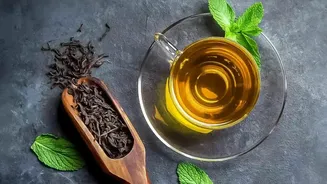
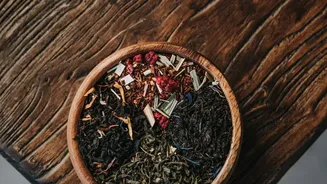
Before we dive into what’s new, let’s appreciate the classic. When you think of premium, artisanal tea, you're likely thinking of Orthodox tea. Unlike the common CTC (Crush, Tear, Curl) method that produces small, granular pellets for strong masala chai,
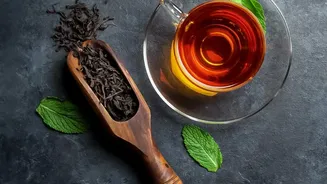
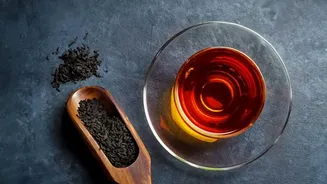
the Orthodox method is a craft. It involves carefully plucking, withering, rolling, and drying whole tea leaves to preserve their integrity. This traditional process, used for celebrated varieties like Darjeeling, Assam, and Nilgiri, results in teas with complex, multi-layered flavours and delicate aromas. Orthodox teas are often called the “champagne of teas” because they offer a more nuanced and authentic experience, capturing the unique character of the region where they were grown.
A Modern Twist: The Cold-Steeping Method
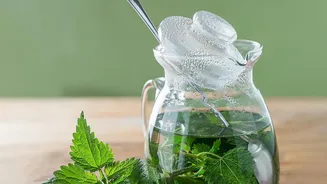
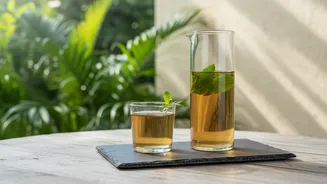
Now, imagine taking those exquisite leaves and giving them a cool bath instead of a hot one. That’s cold-steeping. Instead of a quick, hot infusion, true cold-brewing involves steeping tea leaves in cold water over several hours, usually in a refrigerator. This slow, gentle extraction process fundamentally changes the tea's chemistry. Heat is known to rapidly pull out tannins, which are the compounds responsible for bitterness and astringency. Cold water, on the other hand, extracts fewer tannins, resulting in a brew that is naturally smoother, rounder, and often perceived as sweeter, eliminating the need for added sugar. The final drink is less acidic and has a different, often more vibrant, flavour profile.
The Power of Plants: Introducing Botanicals
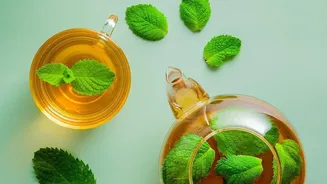
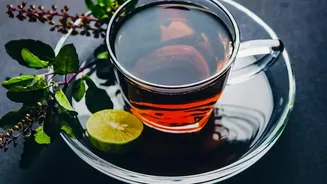
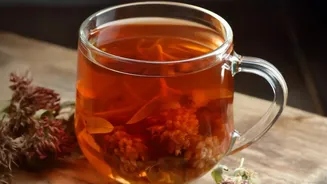
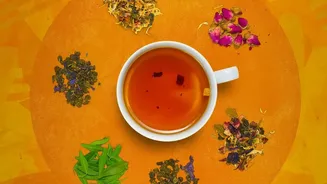
Here's where it gets even more interesting. This trend isn’t just about cold tea; it’s about creating a symphony of flavours by adding botanicals to the mix. We’re talking about herbs, flowers, fruits, and spices like hibiscus, chamomile, lavender, mint, rose, and even blue pea flower. When cold-steeped, delicate botanicals release their volatile oils and aromatic compounds more gently than in hot water. This method preserves their fresh, nuanced flavours that might otherwise be lost to steam. The goal is to achieve an “herbal balance”—where the botanicals don't overpower the tea but complement it, adding layers of aroma, flavour, and visual appeal. This fusion can also tap into wellness traditions, incorporating Ayurvedic ingredients like tulsi and ashwagandha for functional benefits.
A Marriage of Tradition and Trend
So, why is this combination gaining traction now? It perfectly captures the mindset of the modern Indian consumer, who increasingly seeks products that blend authenticity with wellness and novelty. The Indian tea market is seeing a surge in experimentation, with consumers becoming more adventurous and wellness-focused. Cold-steeped botanical blends offer the best of both worlds: they honour the heritage of high-quality Orthodox teas while catering to a demand for healthier, naturally flavoured, and Instagram-worthy beverages. This isn't about replacing the daily cup of chai; it's about adding a new ritual to the repertoire—a sophisticated, refreshing drink that feels both indulgent and mindful.
The Experience: More Than Just a Drink
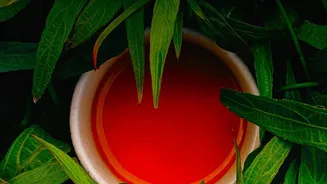
Preparing and drinking a cold-steeped botanical tea is an experience in itself. It starts with the visual beauty of watching colourful flowers and green leaves slowly unfurl in a glass jar, the water gradually taking on a jewel-toned hue. The extended steeping time, from six to twelve hours, builds anticipation. The final result is a drink with a silky-smooth mouthfeel and a complex aroma that blends the malty or floral notes of the Orthodox tea with the bright, fresh scents of the added botanicals. It’s a sensory journey that encourages you to slow down and savour the moment—a refreshing counterpoint to the rush of modern life.