


From Humble Grain to Superfood Star
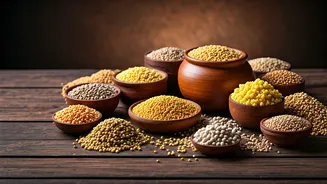
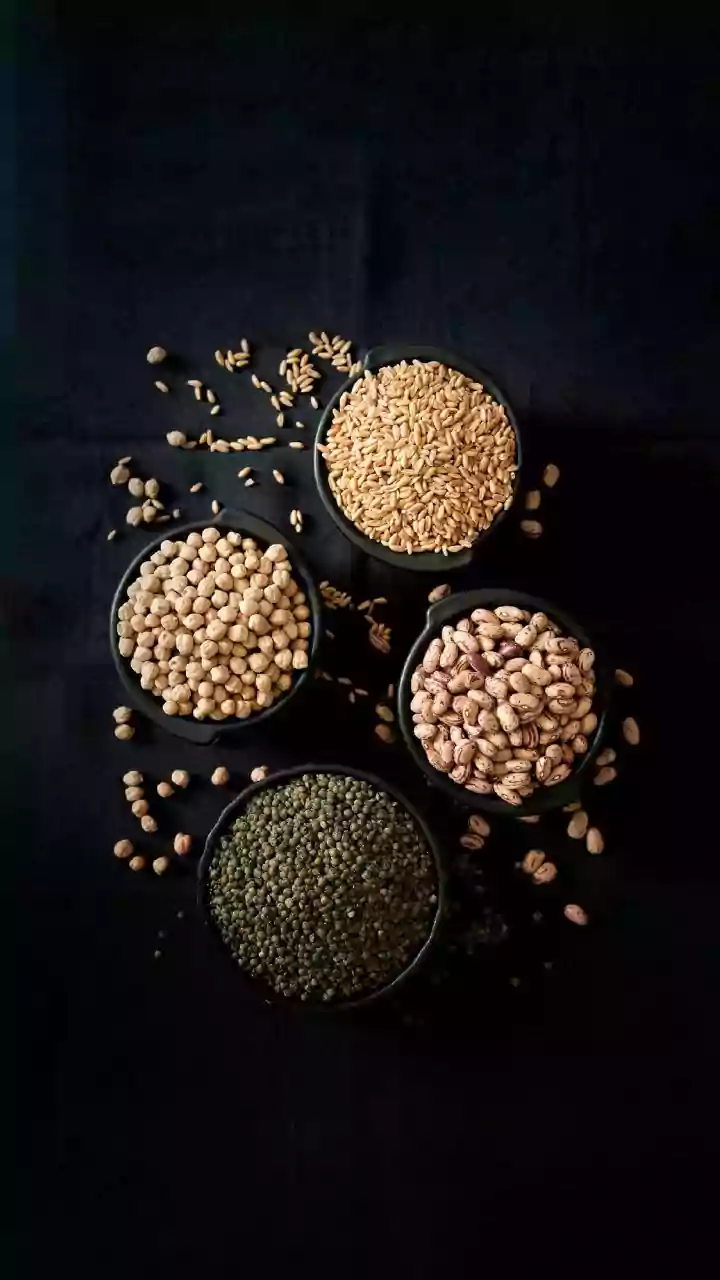
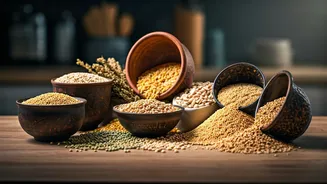
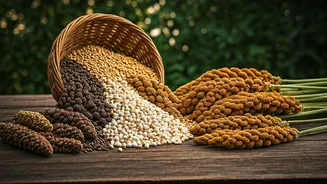
For centuries, millets like jowar, bajra, and ragi were the backbone of India's diet, valued for their resilience and nutrition. However, with the rise of wheat and rice, they were gradually relegated to rural or 'poor man's food' status. Now, the tables
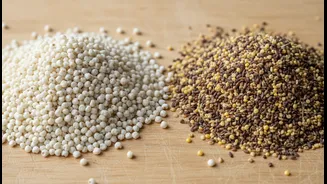
have turned dramatically. The declaration of 2023 as the International Year of Millets by the UN, at India's behest, acted as a catalyst, sparking renewed interest. But the real driving force is a powerful combination of health consciousness, culinary innovation, and a desire for sustainable food choices. Consumers are rediscovering these ancient grains, not as a compromise, but as a premium choice.
The Gourmet Makeover
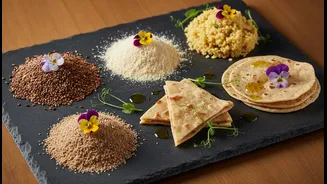
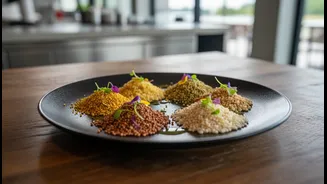
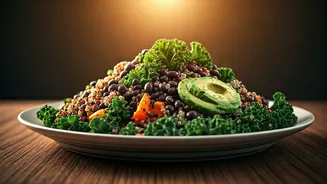
Top chefs across India are leading the charge, transforming millets from simple porridge to sophisticated plates. In upscale restaurants, you can now find millet-based creations like ragi crepes with fresh berries, black olive millet risotto, and even millet-infused desserts. Chefs like Manu Chandra and Thomas Zacharias have championed millets for their versatility and nutty flavour profiles, incorporating them into everything from salads and croquettes to modern takes on traditional dishes. This gourmet treatment has been crucial in shifting public perception, presenting millets as an ingredient worthy of fine dining and creative exploration. The trend has even found its way into craft breweries, with some offering beers made from millet sugars.
Innovation in the Aisles
The premium makeover isn’t just happening in restaurants. Supermarket shelves are now brimming with innovative, millet-based products that cater to the busy, health-conscious urban consumer. Startups and established brands are offering everything from millet noodles and pasta to breakfast cereals, cookies, and ready-to-cook mixes for upma and dosa. Companies like Slurrp Farm, Millet Amma, and Troo Good are giving traditional snacks a healthy, millet-based twist. This new wave of products makes it easier than ever for people to incorporate millets into their daily diet without sacrificing convenience or taste. These are not just basic flours, but thoughtfully created products targeting specific consumer needs, like gluten-free options and snacks with no maida.
The Powerful Pull of Wellness
At the heart of the millet revival is a growing focus on health and wellness. Millets are a nutritional powerhouse. They are naturally gluten-free, rich in fibre, and packed with essential minerals like iron, magnesium, and calcium. Their low glycemic index helps in managing blood sugar levels, making them an excellent choice for diabetics. Scientific studies have shown that regular millet consumption can help reduce cholesterol, lower blood pressure, and aid in weight management. As consumers increasingly look for foods that offer functional benefits, the impressive nutritional profile of millets makes them a clear winner over more refined grains like white rice and wheat.
A Sustainable Choice for the Future
The appeal of millets extends beyond personal health to planetary health. Millets are climate-resilient crops, often called 'smart foods'. They require significantly less water than rice and wheat and can thrive in arid conditions and poor soil with minimal need for chemical fertilisers or pesticides. In an era of increasing water scarcity and climate change, cultivating millets is a more sustainable agricultural practice. For a growing number of eco-conscious consumers, choosing millet products is not just a dietary decision but also an environmental one, supporting biodiversity and empowering small farmers in drought-prone regions.