


A Green Solution for a Busy Life
In the concrete jungles of urban India, a patch of green is a coveted luxury. However, the demanding schedules of city dwellers often lead to neglected, thirsty plants. This is where self-watering planters are stepping in as a game-changer. Their growing
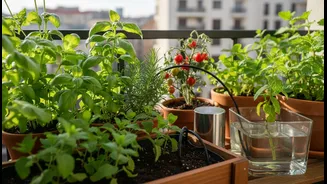
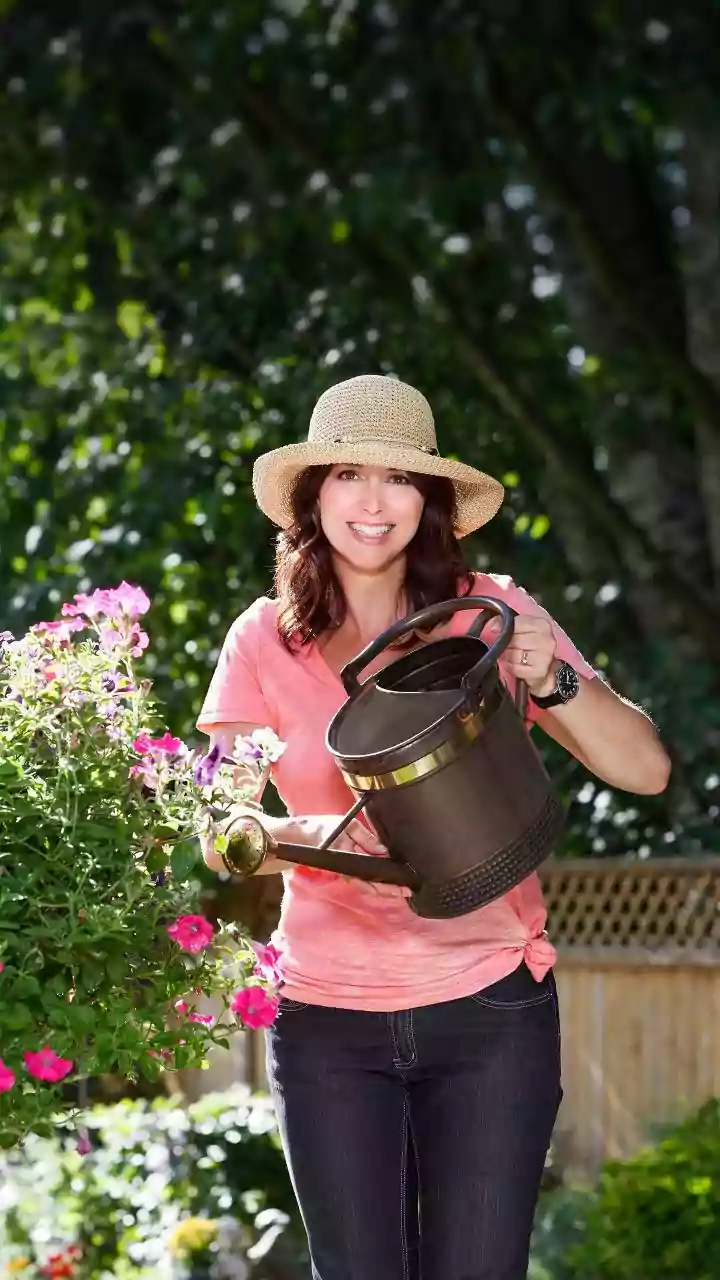
popularity is a direct response to the challenges of modern urban life: lack of time, frequent travel, and the common pitfalls of over or underwatering. Forgetting to water plants due to a hectic work week or a weekend trip is a common tale of woe for many aspiring plant parents. Self-watering pots offer a “set it and forget it” convenience, ensuring plants stay hydrated for days or even weeks, making them perfect for busy individuals.
How Do They Actually Work?
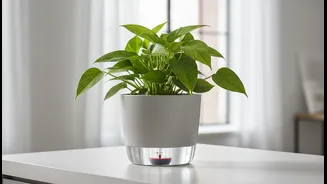
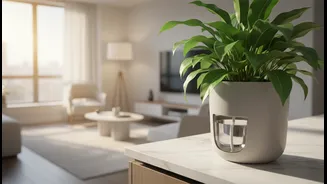
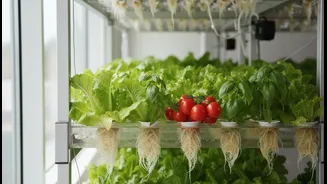
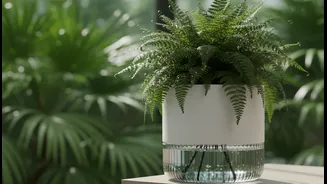
The magic of a self-watering planter lies in its simple, ingenious design. Most consist of two main parts: an upper compartment for the soil and plant, and a lower reservoir to hold water. A wicking system, often a piece of absorbent rope or a porous material, connects the two. This wick draws water up from the reservoir into the soil as it begins to dry out, a process known as capillary action. This allows the plant to absorb moisture as needed, mimicking natural hydration patterns and ensuring its roots receive a consistent supply without being waterlogged. Many planters also include an overflow outlet to prevent excess water from causing root rot, one of the most common ways people accidentally kill their houseplants.
More Than Just Convenience
The benefits extend far beyond simply saving time. In many Indian cities where water scarcity is a growing concern, these planters are an eco-friendly choice. By delivering water directly to the roots and minimizing evaporation, self-watering pots can reduce water consumption by up to 50% compared to traditional watering methods. They also promote healthier plants. The consistent moisture encourages stronger, deeper root systems, leading to more vibrant foliage and robust growth. By preventing the cycle of drought and drenching, the planters reduce plant stress, helping them thrive. Furthermore, any nutrients that leach from the soil with water are contained in the reservoir and can be drawn back up, ensuring the plant gets the full benefit.
The Perfect Match for Urban Aesthetics
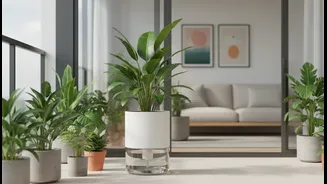
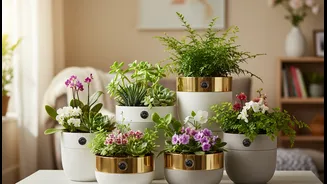
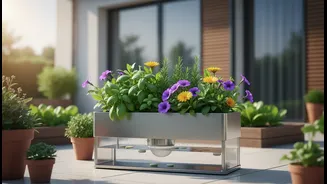
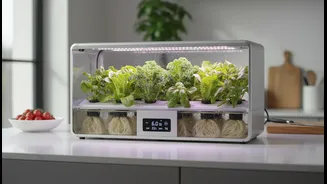
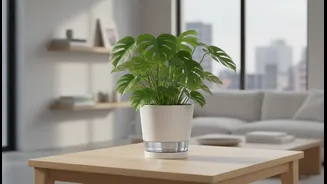
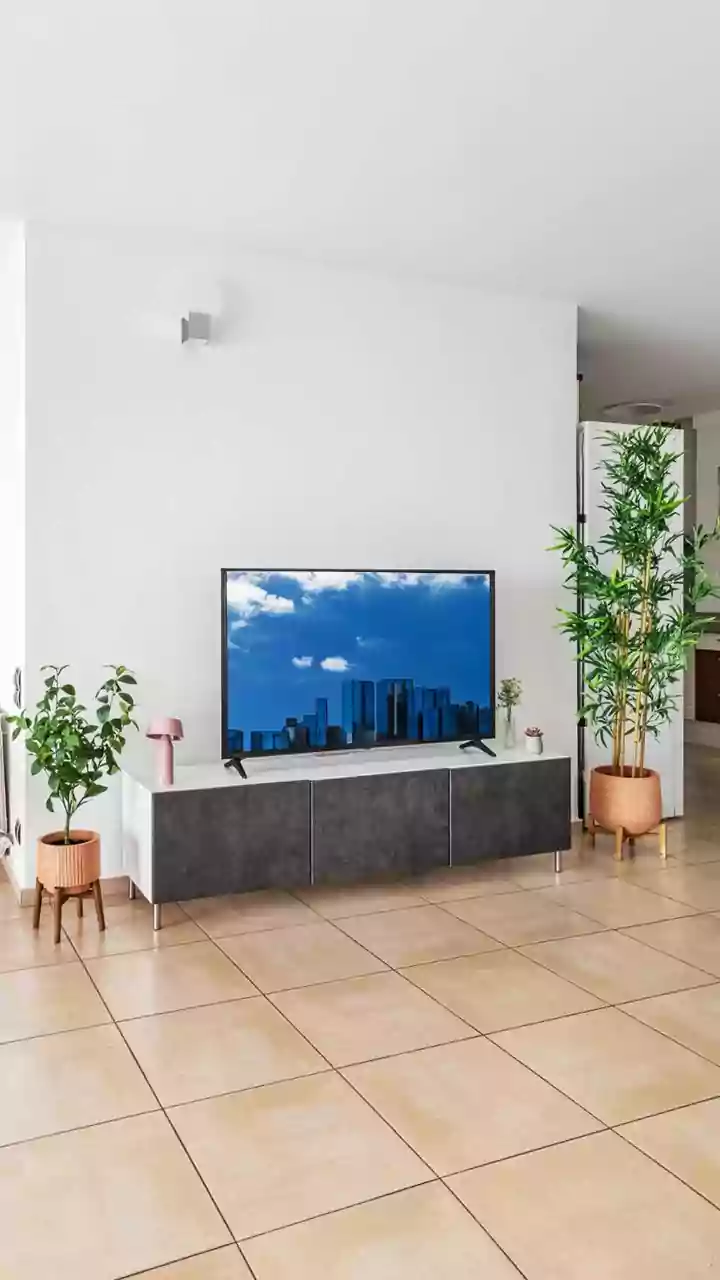
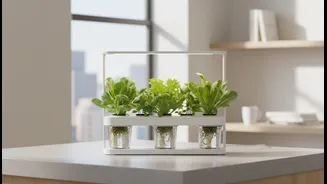
The rise of these planters also aligns with contemporary home decor trends. As urban homes embrace indoor gardening, aesthetics are key. Manufacturers have responded with a wide array of stylish designs, materials, and colours that complement modern interiors. From sleek, minimalist plastic pots to elegant ceramic versions, there is a self-watering planter to suit any taste. They are available in various sizes, making them suitable for everything from a small herb on a kitchen counter to a large statement plant in the living room. This blend of functionality and style makes them an appealing choice for house-proud city dwellers looking to create their own green sanctuary without compromising on design.
Choosing the Right Planter and Plants
While most common houseplants adapt well to self-watering pots, some are particularly good fits. Plants that prefer consistently moist soil, like spider plants, pothos, and peace lilies, thrive in these containers. For beginners, starting with resilient and low-maintenance plants like these is a great way to build confidence. When selecting a planter, consider the size of your plant and the material. Plastic is lightweight and durable, while ceramic can offer better insulation for roots. It’s also important to use a well-draining potting mix, sometimes with added perlite, to ensure the roots have access to oxygen even with the constant moisture supply. With the right combination of plant, pot, and soil, success is almost guaranteed.