






Embrace the Season of Growth
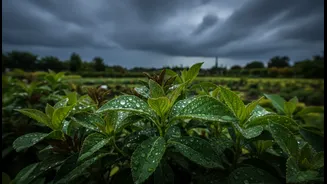
The monsoon transforms Bengaluru, washing away the summer dust and ushering in a period of explosive growth. With temperatures typically hovering between a pleasant 20°C and 28°C and high humidity, conditions are ideal for many tropical plants. This is the time
for propagation, as cuttings root more easily, and for sowing seeds that will flourish in the moist environment. Instead of seeing the constant rain as a problem, think of it as free, natural watering that reduces your daily chores and gives plants a significant boost. The key is not to fight the conditions, but to work with them by choosing the right plants and preparing your space for the deluge.
What to Plant in July
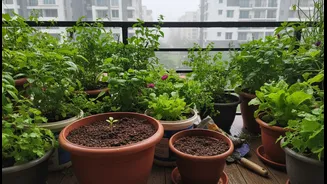
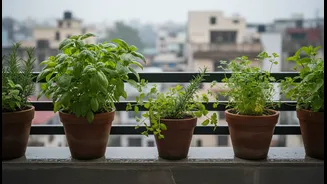
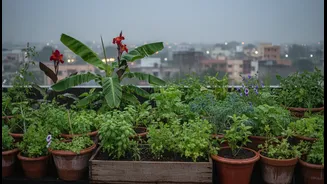
July is a prime time for planting a variety of vegetables and flowers. For your kitchen garden, this is the perfect moment to sow beans, tomatoes, cucumbers, and okra. Gourds like bottle gourd and ridge gourd are also excellent choices, as they grow vigorously in the monsoon. If you're looking for colour, flowering plants that love the rain include the vibrant hibiscus, fragrant jasmine, and hardy bougainvillea. Marigolds are not only cheerful but can also help with pest control. For a truly magical monsoon sight, plant Rain Lily bulbs, which often bloom within days of the first heavy showers.
The Golden Rule: Drainage, Drainage, Drainage
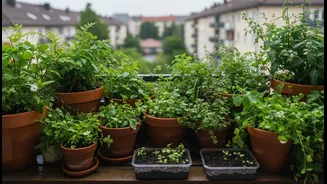
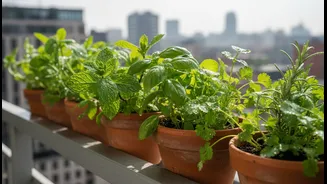
The single biggest threat to your garden during the monsoon is waterlogging. When roots sit in water, they can't breathe, leading to root rot. This is especially true for plants in containers. First, ensure every pot has drainage holes. Elevating your pots on bricks or stands can also make a huge difference by allowing excess water to escape and improving air circulation. For those gardening in the ground, particularly in areas with Bengaluru's heavy clay soil, creating raised beds can be a lifesaver. Amending your soil with compost or coarse sand improves its structure and ability to drain freely.
Mastering Monsoon Pests and Diseases
The high humidity of the monsoon creates a perfect breeding ground for pests and fungal diseases. Aphids, mealybugs, and snails become more common. Fungal issues like powdery mildew and leaf spot can also appear. The best defence is a good offense. Regularly inspect your plants, especially the undersides of leaves, for any signs of trouble. Ensure good air circulation by not overcrowding your plants. For a safe and effective organic solution, a simple spray made of neem oil mixed with water is highly effective against many common pests and fungi. Promptly remove any yellowing or diseased leaves to prevent the problem from spreading.
Rethinking Watering and Feeding
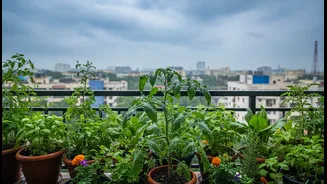
It might seem strange to think about watering when it's raining constantly, but it's important to be mindful. Always check the soil before watering; if the top inch or two is dry, then it's time to water. Plants in covered balconies or shielded from the rain will still need your attention. Heavy rains can also wash away essential nutrients from the soil, a process called leaching. This can lead to yellowing leaves. To counteract this, it's wise to feed your plants during the monsoon, but at a reduced strength. Applying compost or a balanced organic fertiliser will replenish lost nutrients and support healthy growth without overwhelming the plants.