





The Sleep and Food Connection
Ever found yourself craving junk food after a bad night's sleep? There's a scientific reason for that. Sleep deprivation disrupts the hormones that regulate hunger: ghrelin, the 'hunger hormone', increases, while leptin, which signals fullness, decreases.
This hormonal imbalance not only makes you feel hungrier but also makes high-calorie, sugary, and fatty foods seem far more appealing. Research shows that sleep-deprived individuals often consume hundreds of extra calories the next day, driven by a brain that's both seeking reward and has less impulse control.
How Your Diet Influences Sleep
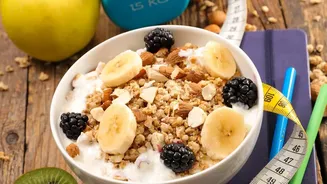
The connection is a two-way street. What you eat can either set you up for a restful night or a restless one. Foods rich in nutrients like tryptophan (found in turkey, nuts, and eggs), magnesium (in almonds and bananas), and natural melatonin (in tart cherries) can promote better sleep. Tryptophan, for instance, is a precursor to serotonin and melatonin, which help regulate your sleep-wake cycle. On the other hand, consuming caffeine too late in the day, having a heavy, high-fat meal, or drinking alcohol close to bedtime can significantly disrupt your sleep architecture, even if you fall asleep quickly.
The Powerful Exercise-Sleep Synergy
Regular physical activity is one of the most effective natural sleep aids. Moderate aerobic exercise has been shown to help you fall asleep faster, increase the amount of deep, restorative slow-wave sleep, and reduce nighttime awakenings. Exercise helps by reducing stress, regulating body temperature, and balancing hormones crucial for the sleep-wake cycle. The timing matters, though. For most people, a workout in the morning or afternoon is ideal. Very intense exercise too close to bedtime can sometimes be overstimulating and interfere with your ability to wind down.
Why Quality Sleep Fuels Your Fitness
Sleep isn't a passive activity; it's a critical time for physical repair and recovery. During deep sleep, your body works to repair muscle tissue, consolidate memories, and regulate hormones. Without adequate sleep, your energy levels for a workout will plummet, your muscle strength may be reduced, and your motivation can disappear. Chronic sleep loss not only hinders performance but also increases the risk of injury, as fatigue affects concentration and reaction time. Getting seven to nine hours of quality sleep is like giving your body the ultimate tool for recovery and preparation.
Starting Your Own Virtuous Cycle
The beauty of this interconnected system is that a small improvement in one area can create a positive ripple effect. You don't have to overhaul your entire life overnight. Start with one manageable change. Maybe it's a 20-minute walk after lunch. This can boost your mood, aid digestion, and help you sleep more soundly that night. A better night's sleep might give you the energy to skip that sugary afternoon snack and the motivation to walk again the next day. This creates a 'virtuous cycle' where better sleep leads to better food choices and more energy for exercise, which in turn leads to even better sleep.