




The Power of One Exercise
The humble squat is a powerhouse of a movement. As a compound exercise, it engages multiple major muscle groups simultaneously, including your quadriceps, hamstrings, glutes, and core. [20, 24] This efficiency is what makes it a favourite among trainers.
Regularly performing squats helps build lower body strength, which is essential for everyday activities like walking, climbing stairs, and getting up from a chair. [22] Beyond just strength, squats also improve balance, coordination, and mobility in the hips and knees, contributing to better overall functional fitness. [17, 22] By strengthening the muscles and ligaments around your joints, you can also reduce the risk of injury in sports and daily life. [7]
Why The Morning Matters
Performing this challenge first thing in the morning offers unique advantages. A morning workout, even a short one, can kick-start your metabolism, helping your body burn more calories throughout the day. [1, 17] It also stimulates the release of endorphins, the body's natural mood-enhancers, setting a positive and energetic tone for the hours ahead. [8, 17] Psychologically, starting your day by completing a task provides a sense of accomplishment. [8] This small win can boost your confidence and discipline, making it easier to tackle other challenges. Furthermore, establishing a morning exercise routine increases the likelihood of long-term adherence, as there are fewer opportunities for daily distractions to get in the way. [1, 11]
Perfect Your Form: A Step-by-Step Guide
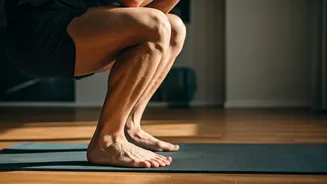
Proper form is crucial to maximize benefits and prevent injury. Stand with your feet slightly wider than shoulder-width apart, with your toes pointing slightly outward. [6, 16] Keep your chest up and your spine in a neutral position, avoiding rounding your back. [3, 7] Initiate the movement by pushing your hips back as if you're about to sit in a chair, then bend your knees. [6] Lower yourself until your thighs are at least parallel to the floor, ensuring your knees track in line with your toes and don't collapse inward. [4, 16] Keep your heels flat on the ground. [5, 7] Drive through your feet to return to the starting position, squeezing your glutes at the top. [6] You can extend your arms in front of you for balance. [6]
Common Mistakes to Avoid
Many people make a few common errors when squatting. One of the most frequent is allowing the knees to cave inward. [2, 7] This often indicates weak glutes and can put undue stress on the knee joints. [5] To fix this, consciously think about pushing your knees out. Another common mistake is not squatting deep enough, often called a 'power curtsy'. [2] Aim for your thighs to be parallel to the floor to fully engage the muscles. [16] Leaning too far forward or rounding your back is also a problem; keep your chest proud and your core engaged to maintain a neutral spine. [3] Lastly, avoid lifting your heels off the ground, as this shifts your balance and reduces the effectiveness of the exercise. [5, 7] If you struggle with this, it may be due to limited ankle mobility. [7]
Make the Challenge a Habit
The key to seeing results from any fitness challenge is consistency. To make your 20 morning squats a lasting habit, try a technique called habit stacking. Pair the new behaviour (squats) with an existing one, like brushing your teeth or waiting for your coffee to brew. Preparing the night before by laying out your workout clothes can also remove friction and make it easier to get started. [10] Don't be discouraged by setbacks; if you miss a day, just get back on track the next. [12] Setting small, achievable goals can keep you motivated. [10] You might also consider finding a workout buddy to share the challenge with, as accountability can significantly boost your commitment. [21]