



A Gift from the Rains
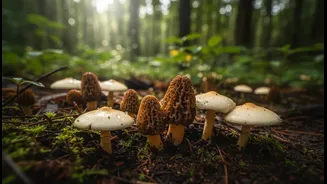
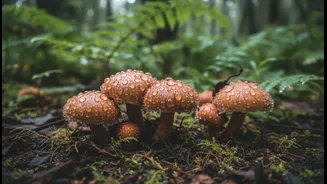
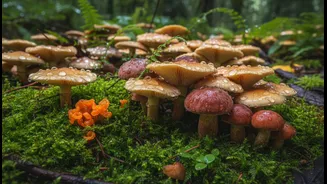
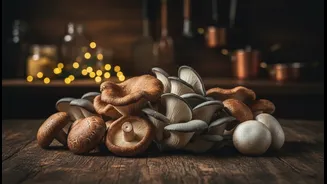
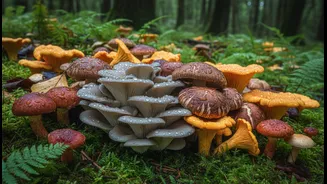
The most straightforward reason for the mushroom's monsoon stardom is its natural life cycle. The damp, humid conditions across India create the perfect ecosystem for fungi to thrive. While commercially cultivated varieties like button mushrooms are available
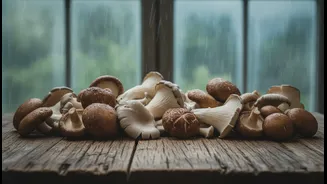
year-round, the rainy season marks the spectacular, albeit brief, appearance of many wild and specialty types. This seasonal abundance makes a wider variety of mushrooms, such as oyster and milky mushrooms, fresher, more accessible, and often more affordable for home cooks. The monsoon essentially serves as nature's invitation to explore the rich, earthy flavours of fungi when they are at their absolute peak.
The Immunity Powerhouse
Monsoon is notoriously a time for seasonal colds, flu, and other infections. This has made immunity-boosting foods a major focus for health-conscious households. Mushrooms fit this need perfectly. They are considered a superfood packed with nutrients that help strengthen the immune system. Many varieties are rich in antioxidants, selenium, and B vitamins, all of which play a role in defending the body against illness. For instance, selenium supports thyroid function, while antioxidants help protect the body from harmful free radicals. As people look for natural ways to stay healthy during the damp weather, the humble mushroom emerges as a delicious and effective dietary addition.
Comfort on a Plate
The culinary versatility of mushrooms is another key factor in their growing popularity. Their meaty texture and umami-rich flavour make them an excellent substitute for meat in many dishes, appealing to vegetarians and meat-eaters alike. During the monsoon, when we crave warmth and comfort, mushrooms deliver. They absorb flavours beautifully, making them ideal for hearty stews, rich coconut-based curries, and flavourful stir-fries. From a spicy Mushroom Chettinad to a creamy mushroom-matar curry, the possibilities are endless, allowing home cooks to easily incorporate them into traditional and modern recipes that provide immense warmth during heavy rainstorms.
A World Beyond Button Mushrooms
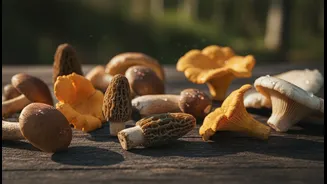
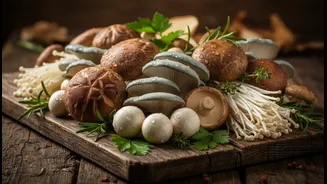
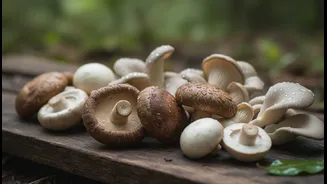
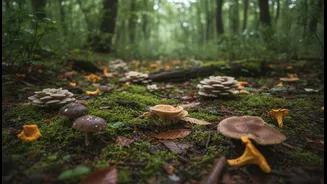
Indian palates are becoming more adventurous, and this extends to fungi. There's a growing interest in varieties beyond the common button mushroom. Speciality cultivated mushrooms like shiitake and oyster are now more widely available and are prized for their unique textures and deeper flavours. Furthermore, the monsoon brings a renewed interest in hyper-local, foraged mushrooms like Goa's 'Roen Olmi' or Jharkhand's 'Rugda'. These wild varieties, often found for only a few weeks a year, are considered delicacies and are central to regional monsoon traditions. This exploration of diverse species is turning mushroom cooking from a simple meal into a culinary adventure.
A Note of Caution on Wild Varieties
The romance of foraging for wild mushrooms comes with a significant risk. Many poisonous mushrooms look strikingly similar to edible ones, and misidentification can lead to severe illness or even be fatal. Cases of mushroom poisoning are reported every monsoon season. Experts strongly advise against eating any wild mushroom unless you are with a seasoned forager who has extensive local knowledge. For the vast majority of home cooks, the safest and most responsible way to enjoy this seasonal trend is to purchase mushrooms—both common and exotic—from trusted, reliable vendors and markets.