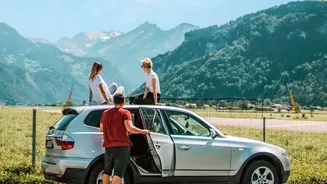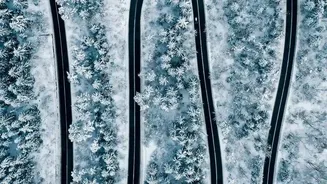




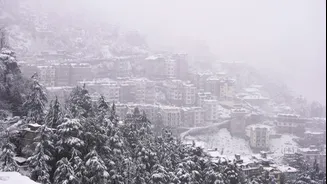
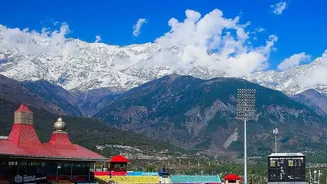
The allure of a winter drive is undeniable—misty hills, snow-dusted landscapes, and cosy chai breaks. But cold weather brings unique challenges that can turn a dream trip into a disaster if you don't plan your route with care.
Beyond Just Snow and Mountains
When we think of winter driving
hazards in India, the mind immediately leaps to snow-covered Himalayan passes. While that's a major factor, the reality of winter road trips is far more varied. The dense, blinding fog that blankets the northern plains from Punjab to West Bengal can be just as treacherous as a snowy road. Even in the south, early morning mist and moisture can make roads slick and reduce visibility. Winter challenges aren't exclusive to high altitudes; they change depending on your region. Therefore, selecting a route isn't just about the destination—it's about understanding the specific weather patterns you'll encounter along the way. Choosing a path that minimizes exposure to the most severe conditions is the first step to a successful trip.
The Himalayan Gamble: Pass Closures
For those dreaming of a white winter trip, the mountains are a huge draw. However, many famous high-altitude passes become completely inaccessible. Key routes like the Manali-Leh highway via Rohtang Pass, Khardung La, and Zoji La typically shut down from November until May due to heavy snowfall. This means a route that is a thoroughfare in summer becomes a dead end in winter. Planning a Himalayan road trip requires checking the real-time status of these passes. Opting for routes that stay open year-round, like Shimla to Narkanda or parts of the old Hindustan-Tibet road towards Sangla, is a safer bet. Always have a backup plan and never assume a pass will be open, as weather can force closures at any time.
The Unseen Threat of Black Ice
One of winter's most deceptive dangers is black ice—a thin, transparent layer of ice that forms on the road surface, making it look merely wet, not frozen. It's most common on bridges, overpasses, and shaded road sections where sunlight doesn't reach. A driver might be cruising on a perfectly dry-looking highway only to hit a patch of black ice and lose control instantly. Gentle acceleration and braking are crucial in cold conditions to avoid skids. If you're driving in a region where temperatures are near or below freezing, especially in the early morning or at night, you must treat all wet-looking surfaces with extreme caution. Your route choice should consider this; roads that are less shaded or more heavily trafficked are often a safer choice.
Navigating the Great Indian Fog
Dense fog across the Indo-Gangetic plains is a formidable challenge, often reducing visibility to just a few metres. This makes driving on highways extremely dangerous. Route selection here means choosing major national highways known for better lane markings and reflectors, which can be a lifeline. It also means planning your driving times; starting your day later, after the morning fog has lifted, is a wise strategy. Always use low_beam headlights or dedicated fog lamps, as high beams reflect off the fog and worsen visibility. Maintaining a significant distance from the vehicle ahead is non_negotiable. If conditions become too severe, the only safe option is to pull over and wait.
Shorter Days and Vehicle Health
Winter means shorter daylight hours, which directly impacts how far you can safely travel in a day. A route that seems manageable in summer might require an overnight stop in winter. Driving on unfamiliar or poorly lit roads after dark is risky, especially in cold weather. Plan your route to end each day's journey in a town with safe lodging options well before sunset. Equally important is your vehicle's health. Cold weather is harsh on batteries, tyres, and engine fluids. Before you leave, ensure your car's battery is strong, tyre pressure is correct, and you have the right level of antifreeze. Having a well_serviced vehicle is as critical as choosing the right road, because a breakdown in a remote, cold location is a serious emergency.