



The Longest Day, The Shortest Night
The Summer Solstice, which occurs around June 21st each year, marks the official start of summer in the Northern Hemisphere. It’s the day when the Earth’s North Pole is tilted most directly towards the sun, giving us the longest period of daylight and,
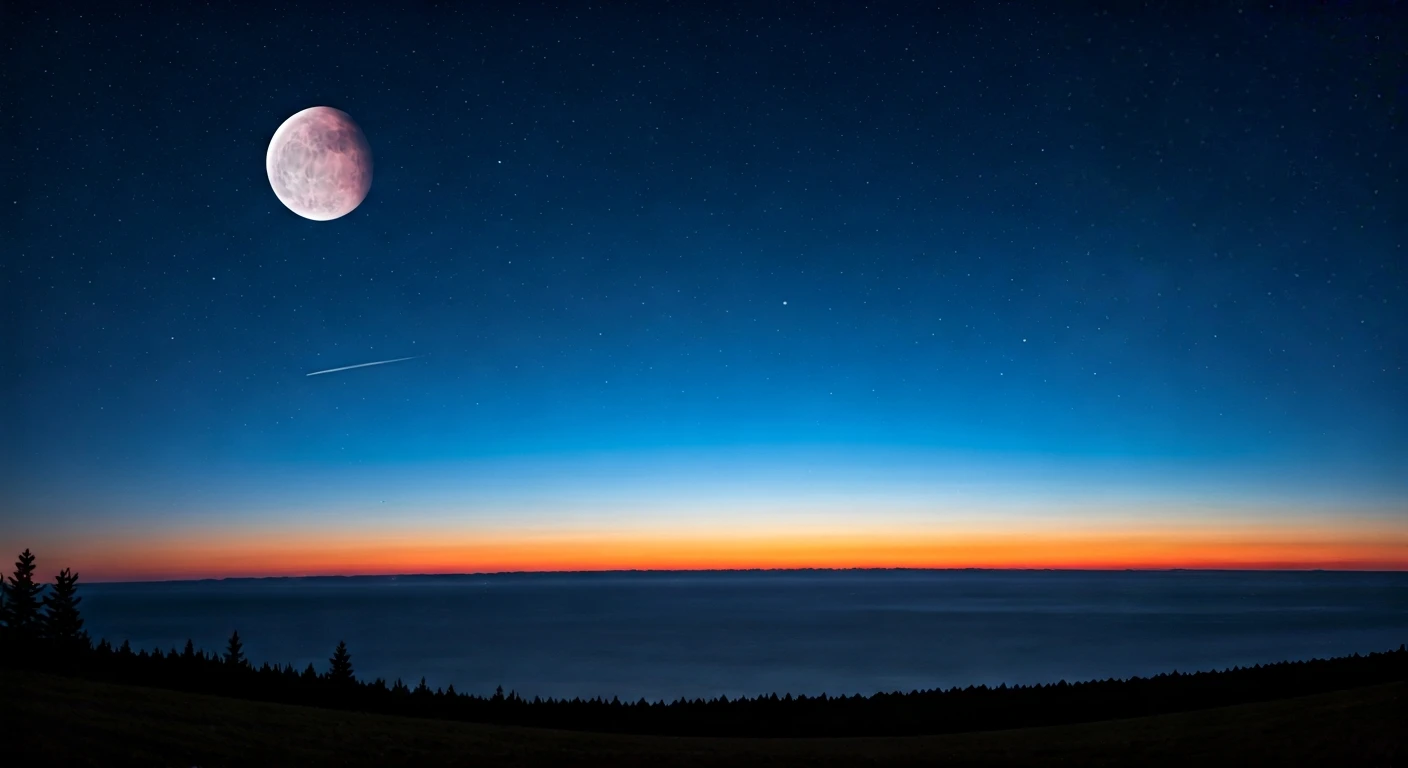
consequently, the shortest night of the year. In India, this translates to over 13 hours of daylight, depending on your location. While a shorter night might seem like bad news for stargazers, the solstice carries a special significance. It’s a moment of astronomical balance, a turning point in our planet’s annual journey. The twilight on this evening lasts longer, painting the sky in beautiful hues before the stars finally emerge to put on their show.
What's Lighting Up The Sky?
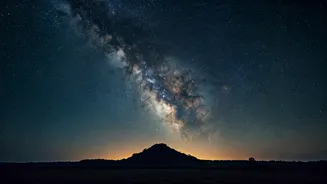
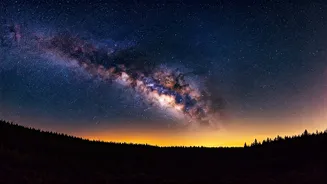
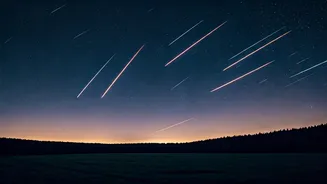
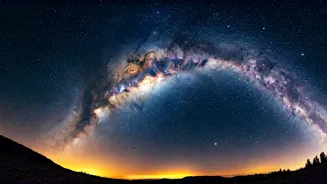
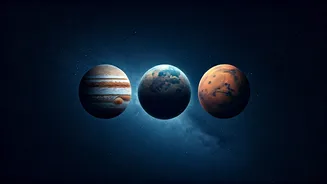
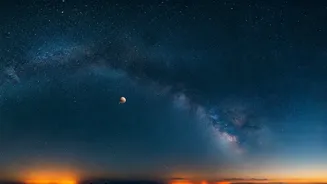
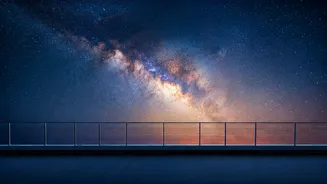
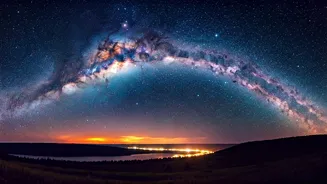
The solstice night isn't just symbolic; it offers a fantastic celestial viewing menu. Look towards the south and southeast after sunset. The heart of our Milky Way galaxy, a dense, shimmering band of stars, is beautifully positioned for viewing from India during summer nights. Within it, you can spot the prominent constellations of Scorpius (the Scorpion) with its bright reddish star Antares, and Sagittarius, which looks like a teapot. This region is a treasure trove of star clusters and nebulae. As for planets, you may catch Mars and Saturn in the pre-dawn or evening sky, depending on their current position in their orbits. While major meteor showers are not at their peak, you might still catch a few stray meteors as you gaze upwards. The real sparkle comes from the sheer density of stars visible once you escape city lights.
Your Stargazing Starter Kit
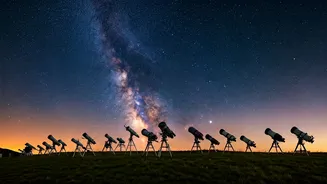
You don’t need an expensive telescope to enjoy the solstice sky. The most important tool is your own vision, but it needs about 20-30 minutes to fully adapt to the dark. So, find your spot and be patient. Avoid looking at your bright phone screen; it will ruin your night vision. If you need a light, use a red torch or cover a regular torch with red cellophane, as red light affects night vision the least. A pair of binoculars can dramatically enhance the view, revealing craters on the moon (if it's visible) and bringing faint star clusters into focus. Consider downloading a stargazing app like Stellarium or SkyView beforehand. You can point your phone at the sky, and the app will identify constellations, planets, and satellites for you.
Location, Location, Location
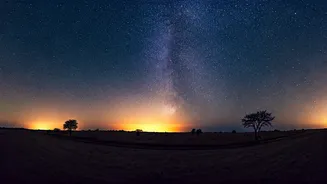
The biggest enemy of stargazing is light pollution. To truly see the night sky sparkle, you need to get away from city lights. Your building’s terrace might be a good start if it offers an unobstructed view and you can turn off nearby lights. A local park or a field on the outskirts of your town is even better. For a truly memorable experience, consider a short trip to a nearby hill station, a remote beach, or a designated dark sky area, if one is accessible. Before you head out, check the weather forecast. The beginning of the monsoon season in many parts of India can mean cloudy skies. Look for a clear patch in the forecast to maximize your chances of a spectacular view.
Essential Safety Tips
The 'safely' in the headline is crucial. Stargazing often means being in a dark, quiet place at night, so take precautions. First, never go alone. It’s safer and more fun with friends or family. Inform someone else where you are going and when you expect to be back. Dress appropriately for the weather; even on a summer night, it can get chilly, and you’ll want protection from mosquitoes and other insects. Carry a basic first-aid kit, water, and some snacks. Be aware of your surroundings, especially in rural or wild areas. Stick to known paths and be mindful of local wildlife. The goal is to enjoy the celestial wonder without any terrestrial worries.