



The Rise of the Culinary Quest
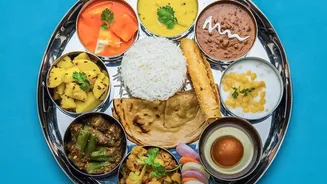
The concept is simple yet profound: travelling to a specific city or region to experience a meal in its most authentic form. At the heart of this trend is the Onam Sadhya, the elaborate vegetarian feast from Kerala. Traditionally a meal prepared at home,
the Sadhya, with its 20-plus dishes served on a banana leaf, is now a major draw for luxury hotels and restaurants across India. Cities like Bengaluru, Mumbai, and Chennai see hotels curating elaborate Sadhya experiences, often flying in chefs and sourcing ingredients directly from Kerala to ensure authenticity. This isn’t just about convenience; it’s about participating in a cultural tradition without the immense effort of preparing such a complex meal, turning the festival into an immersive culinary event.
What's Fuelling the Journey?
Several factors are driving this gastronomic migration. The India culinary tourism market is booming, expected to grow significantly in the coming years. A key driver is the desire among younger, urban Indians to connect with their cultural roots in a tangible way. For many, a meticulously prepared festive meal is a direct link to heritage. Social media also plays a huge role; a perfectly arranged Onam Sadhya or a vibrant Durga Puja platter is highly shareable content. This digital word-of-mouth inspires others to seek out similar experiences. Furthermore, rising disposable incomes and a growing interest in experiential travel mean more people are willing to spend on unique activities, and food has become a primary motivator for travel plans.
Beyond the Onam Sadhya
While Onam feasts are a prominent example, the trend extends to numerous other festivals across India. During Durga Puja, hotels and restaurants in Kolkata and beyond offer elaborate 'Pujor Mahabhoj' buffets. These spreads feature Bengali classics like Kosha Mangsho, Chingri Malaikari, and an array of traditional sweets, allowing revellers to hop from one culinary hotspot to another. Similarly, Ramadan sees the rise of curated Iftar trails and special dining experiences in cities like Mumbai and Hyderabad, where food lovers explore a variety of traditional dishes to break the fast. Even festivals like Christmas are getting a regional culinary twist, with restaurants offering special menus that blend traditional roasts with local Indian flavours.
The Hospitality Industry's Response
Hotels and restaurants have been quick to embrace destination dining. Five-star chains and boutique eateries alike now market these festive meals as exclusive events. They create detailed menus, highlight the cultural significance of the dishes, and often create a festive ambience to complete the experience. Some establishments even offer meal kits and takeaways for those who want the feast without the travel. This shift represents a deeper understanding of the modern Indian consumer, who seeks not just luxury, but authentic and meaningful experiences. It transforms a simple meal into a memorable event, encouraging people to travel, celebrate, and connect over a shared love for food.