


The K-Wave Washes Over the Chaat Counter
It started with K-pop and captivating K-dramas, but the Hallyu, or Korean Wave, has officially made its way into our kitchens and onto our streets. As Indian audiences have become more familiar with Korean culture, a curiosity for its cuisine has exploded.
This isn't just about a growing number of Korean restaurants in major cities; it's a grassroots movement. Food lovers and home cooks are experimenting, driven by social media trends and the surprising harmony between the two cuisines. Both Indian and Korean food share a deep appreciation for bold, spicy, and layered flavours. Core ingredients like chilli, garlic, and fermented foods are staples in both culinary traditions, making this fusion feel less like a clash and more like a perfect match.
When Gochujang Greets Garam Masala
At the heart of this trend is the creative blending of signature ingredients. Korean staples like gochujang (a savoury, sweet, and spicy fermented chilli paste), kimchi (fermented cabbage), and gochugaru (Korean chilli flakes) are now being paired with India’s street food icons. Imagine the tangy, spicy crunch of kimchi stuffed into a crispy paratha or samosa, or the complex heat of gochujang elevating the humble vada pav. This fusion works because it respects the integrity of both cuisines while creating something entirely new. Indian spices add depth and aroma to Korean dishes, while Korean ingredients introduce a fresh, funky, and often umami-rich dimension to Indian favourites. The result is a flavour profile that is at once familiar and thrillingly different.
The Delicious Mashups You Have to Try
This culinary crossover is producing some truly inventive and mouth-watering snacks. Here are a few standout examples making waves:
**Kimchi Samosa:** The classic potato and pea filling gets a major upgrade. The crispy, flaky pastry is instead filled with spicy, tangy, and crunchy kimchi. This combination creates an explosion of flavour, where the fermented funk of the kimchi cuts through the richness of the fried pastry, creating a perfectly balanced bite.
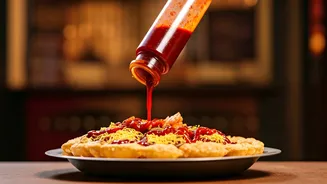
**Gochujang Pani Puri:** This twist sees the traditional spicy mint-coriander water complemented or even replaced by a gochujang-infused liquid. The result is a pani that is not just spicy, but also has a deep, savoury sweetness, adding a completely new dimension to the beloved golgappa.
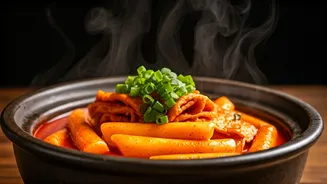
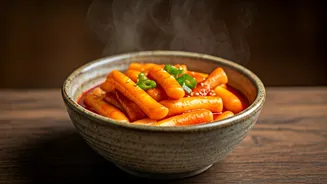
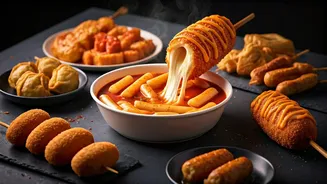
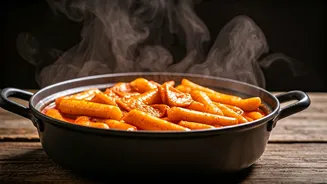
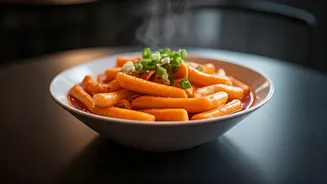
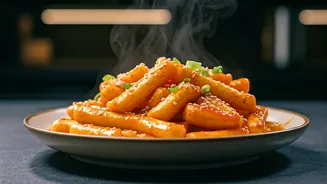
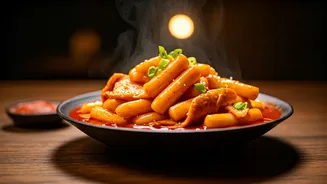
**Tteokbokki Chaat:** This is a true meeting of street food titans. Chewy, cylinder-shaped Korean rice cakes (tteokbokki), traditionally served in a spicy sauce, are instead tossed with the quintessential ingredients of Indian chaat—think chopped onions, chutneys, and a sprinkle of chaat masala. The soft texture of the rice cakes combined with the crunchy, tangy elements of chaat is a textural and flavourful delight.
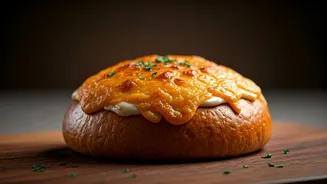
**Korean Corn Cheese Vada Pav:** The iconic Mumbai street food gets a cheesy, modern twist. A layer of Korean corn cheese—a popular bar snack made with sweet corn, mayonnaise, and melted mozzarella—is added to the vada pav, bringing a creamy, sweet, and savoury element that pairs surprisingly well with the spicy vada.
A Fleeting Fad or the Future of Food?
While food trends can come and go, the Indo-Korean fusion movement shows signs of having real staying power. The reason is simple: it’s built on a foundation of shared flavour principles. The love for spice, fermentation (kimchi and achaar have much in common), and communal eating are deeply embedded in both cultures. This natural synergy makes the fusion feel intuitive rather than forced. Furthermore, the widespread availability of Korean ingredients in Indian supermarkets has empowered home cooks and street vendors alike to experiment. As Gen Z and millennial foodies, driven by social media, continue to seek cross-cultural dining experiences, this trend is poised to evolve from street-level experiments into a celebrated part of India's diverse culinary landscape.