
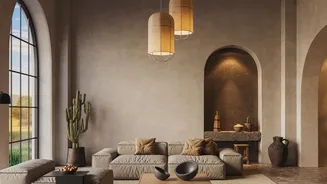
The Gentle Appeal of the Curve
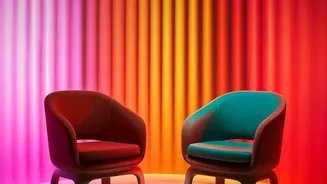
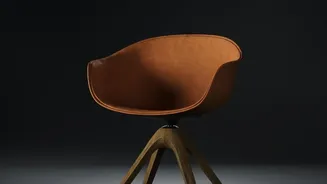
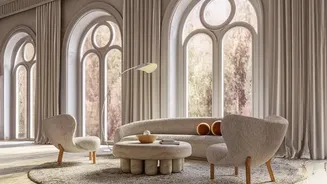
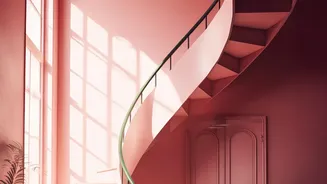
The rise of curved furniture was a direct response to years of rigid, sharp-edged modernism. Homeowners and designers began seeking spaces that felt warmer, more personal, and emotionally inviting. Rounded sofas, sculptural chairs, and organic silhouettes
soften a room, creating a natural sense of flow and comfort. Unlike straight lines that can feel structured or formal, curves are inherently welcoming. They echo forms found in nature, which research suggests can make a space feel more calming and reduce stress. This shift reflected a desire for our homes to be sanctuaries—nurturing environments that prioritize wellbeing and effortless ease.
When Too Much Is a Bad Thing
Like any popular trend, the enthusiasm for curves led to saturation. A room filled exclusively with rounded shapes—a curved sofa, a circular rug, a round coffee table, and arched lamps—can lack structure and definition. Without the contrast of straight lines to provide an anchor, an overabundance of curves can feel chaotic or visually untethered. The result is a space that, while soft, feels unbalanced and incomplete. This is the rebalance the design world is now embracing: a move away from all-in fluidity toward a more sophisticated and grounded approach that values contrast and deliberate composition.
The Power of Strategic Contrast
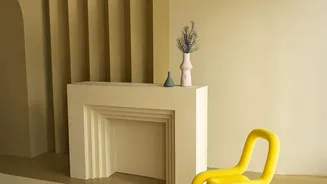
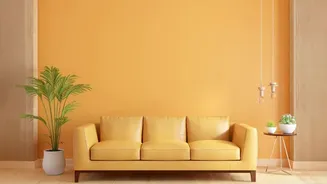
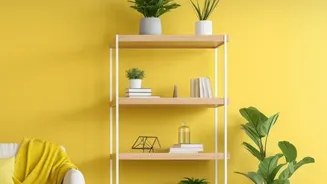
The secret to a beautifully designed room often lies in balancing opposing forces. The most comfortable and visually interesting homes rely on the relationship between curved and straight lines, not a commitment to one over the other. Straight lines, found in architecture, shelving, and rectangular tables, provide order and stability. Curves introduce softness, movement, and a human touch. When combined, they create a dynamic harmony. A sculptural, curved sofa feels even more special when placed against a wall of linear bookshelves or paired with a sharp-cornered coffee table. This intentional contrast makes each element feel more purposeful.
How to Achieve the Perfect Balance
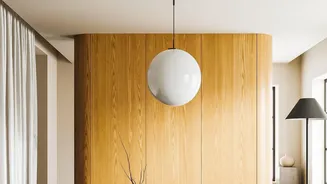
Mastering this new chapter of the trend is about thoughtful integration. Start by choosing one or two statement curved pieces to serve as a focal point, like a sofa or a pair of accent chairs. Anchor the room with foundational straight lines, such as a large rectangular rug, which provides a sense of order. Then, introduce smaller echoes of the curve through decor—an arched mirror, a round vase, or an organically shaped lamp. This method ensures the curves stand out without overwhelming the space. A good rule of thumb is to aim for a mix where straight lines provide the framework and curves add personality and softness.
Beyond Shape: Texture and Materials
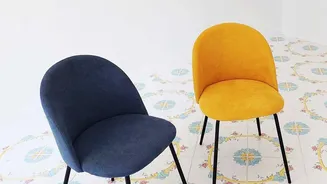
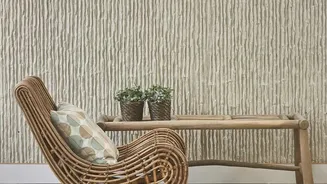
The interplay between shapes is only part of the story. Materials and textures play a crucial role in achieving balance. Soft, tactile fabrics like bouclé, velvet, or linen enhance the cozy appeal of a curved silhouette. To create further contrast, pair these soft pieces with materials that have a more structured feel. A curved sofa upholstered in a soft fabric looks fantastic next to a sleek wooden or metal side table. Similarly, the organic shape of a rounded marble coffee table introduces a natural element that can soften an otherwise linear living room. This layering of not just shapes but also materials adds depth and a professionally styled feel to any room.