






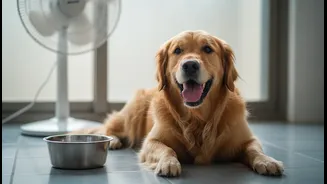




The Danger of the Great Indoors
It’s a common misconception that heatstroke is an outdoor problem. For pets in India, homes and apartments can become dangerously hot. Sun-drenched rooms, poor ventilation, and the greenhouse effect in closed-off spaces can raise indoor temperatures to
critical levels. Unlike humans, dogs and cats can't sweat effectively to cool down; they primarily rely on panting. High humidity, a staple of the Indian monsoon, makes panting far less efficient, meaning a pet can overheat even at seemingly moderate temperatures. This risk is amplified during power cuts when fans and air conditioners stop running, turning a comfortable home into a high-risk environment within minutes.
Beyond Dogs: The Forgotten Victims
While heatstroke in dogs is widely discussed, cats and smaller animals are often overlooked. Cats are masters at hiding illness and pain. An early sign of heat distress in a cat isn't always obvious panting but might be excessive grooming or restlessness as they search for a cool spot. They often retreat to hide, making it difficult for owners to notice their distress until it's severe. Small animals like rabbits, hamsters, and guinea pigs are even more vulnerable. Rabbits are particularly sensitive to heat, and their hutches, even if kept indoors or on a balcony, can become dangerously hot. Their inability to pant effectively means they have very limited ways to cool themselves down.
Subtle Signs You Might Be Missing
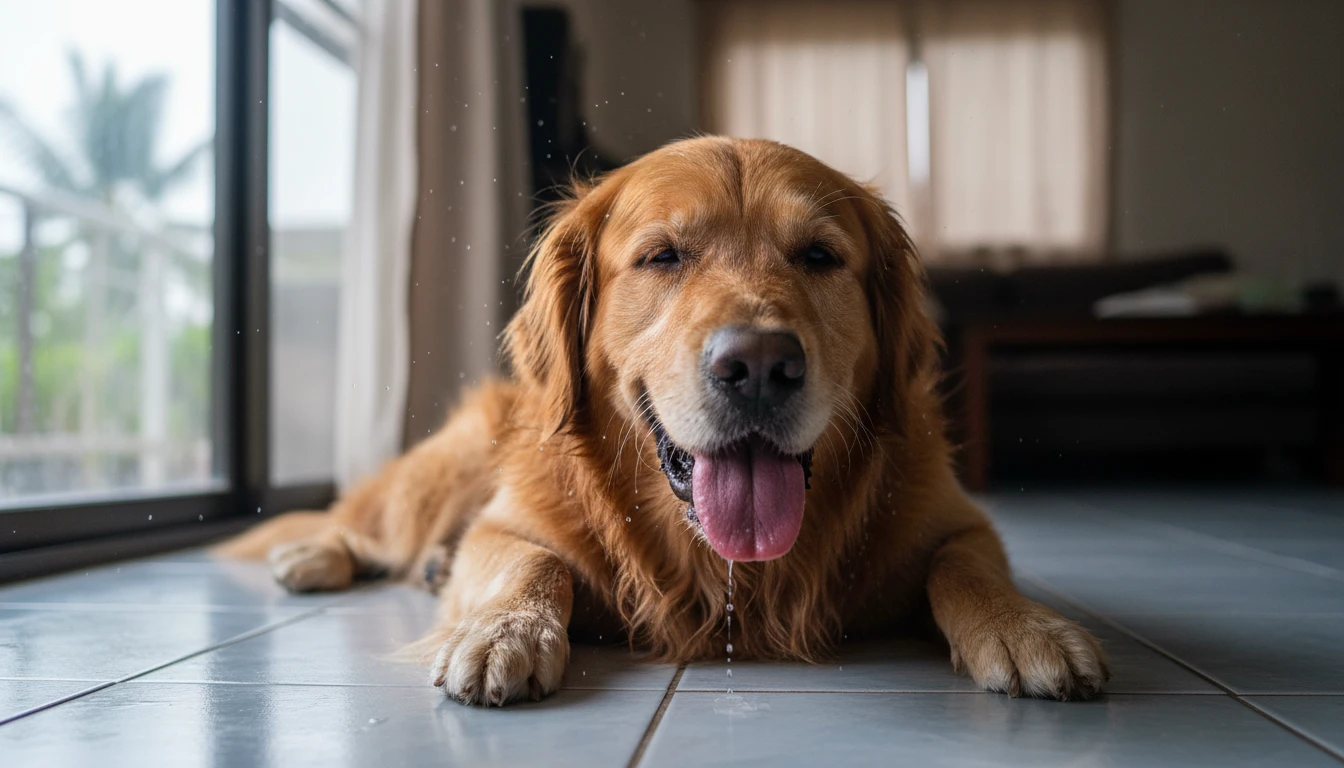
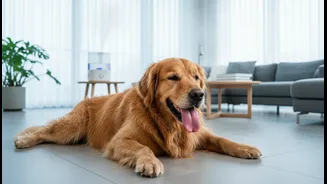
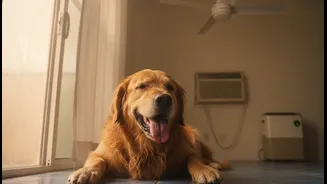
The most dangerous aspect of heatstroke is how easily the early signs are missed. It doesn't start with collapse. For dogs, early warnings include excessive drooling, unusual restlessness, and bright red gums or tongue. They may seem lethargic or simply lie flat on cool tiles. For cats, watch for open-mouth breathing (panting is not normal for cats), a rapid heart rate, and unusual vocalization. They may also groom themselves compulsively in an attempt to cool down through evaporation. In any pet, vomiting, diarrhea, dizziness, or confusion are signs of advanced heatstroke requiring immediate veterinary intervention. By the time you see these severe signs, internal organ damage may have already begun.
Vulnerable Breeds and Conditions
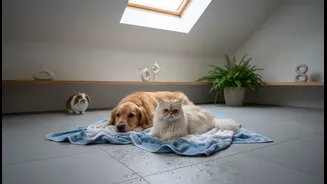
Not all pets are created equal when it comes to heat tolerance. Brachycephalic, or flat-faced, breeds are at a significantly higher risk. The compromised airways of Pugs, Bulldogs, Shih Tzus, and Persian cats make it incredibly difficult for them to pant effectively. Dogs with thick double coats, such as Huskies and Golden Retrievers, are also more susceptible as their fur traps heat. Furthermore, overweight pets, very young kittens and puppies, and senior animals have a harder time regulating their body temperature. Any pet with a pre-existing heart or respiratory condition is also at an elevated risk.
Practical Steps for a Cooler Home
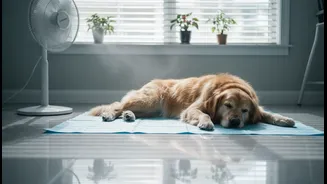
Prevention is straightforward and can be life-saving. Always ensure multiple bowls of fresh, cool water are available throughout your home. During the hottest parts of the day, keep curtains drawn to block direct sunlight. Create cross-ventilation by opening windows on opposite sides of the home, especially in the cooler morning and evening hours. Placing frozen water bottles in front of a fan can create a makeshift air cooler. For immediate relief, allow pets to lie on tile floors or provide them with a cooling mat. You can also gently wipe your pet down with a cool, damp cloth, focusing on their paw pads, stomach, and neck. Finally, consider lighter meals, as heavy food can increase metabolic heat.