






The Difference Between Homage and Heist
Let’s start with a simple premise: culture is not a costume. Cultural appropriation happens when a dominant group borrows from a marginalized culture without permission, understanding, or context. It’s taking a sacred symbol or a piece of traditional
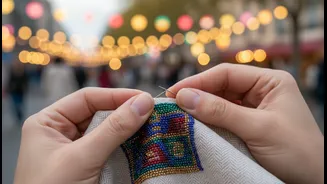
attire and turning it into a fleeting fashion statement for a weekend festival. This strips the item of its history and significance, reducing centuries of tradition into an aesthetic. Cultural appreciation, on the other hand, is about honouring, respecting, and learning. It’s engaging with a culture to understand it, often by supporting the communities that are its custodians. It’s the difference between buying a mass-produced, 'tribal-inspired' plastic necklace and purchasing a hand-beaded piece directly from the artisan who can tell you its story.
An Artisan's Perspective
For countless artisan communities across India, festivals are a crucial source of livelihood. Crafts like Pattachitra, Dhokra metal casting, and the weaving of Banarasi silk are not just art forms; they are economic engines for entire villages. When a festival-goer chooses to buy a cheap, factory-made imitation of a traditional design, it directly harms the artisan who has dedicated their life to perfecting that craft. Worse, when global fashion houses co-opt these designs without credit or compensation—a practice that has been widely documented—it's a form of intellectual and economic theft that leaves the original creators with nothing. Supporting artisans at festivals like the Surajkund Mela or Shilpgram Festival isn't just a transaction; it's an act of preserving a living heritage and ensuring these skills are passed down.
The Role of Festivals and Fashion
Festival organisers and attendees are both part of the solution. Events like the Kala Ghoda Arts Festival in Mumbai and various crafts melas across the country provide a direct platform for artisans to connect with a wider audience. They transform markets into spaces for cultural immersion. However, the allure of 'festival fashion' can often lead consumers astray, promoting disposable outfits and culturally insensitive trends. There is a growing movement towards sustainable and ethical festival wear, encouraging attendees to choose eco-friendly fabrics and invest in well-made pieces from known creators. The goal is to curate a wardrobe that celebrates individuality without trivializing another’s identity.
How to Be a Conscious Visitor
So, how can you enjoy the vibrant atmosphere of a festival while being a respectful and conscious participant? First, engage with the makers. When you see a craft you admire, ask the artisan about their process, the history of the design, and its significance. This act of curiosity is the first step toward genuine appreciation. Prioritize buying directly from the craftsperson, ensuring your money supports them and their community. Think critically about your attire. Is that headpiece a sacred symbol in another culture? Is that 'boho' print a direct copy of a traditional weave? If an item feels like a costume, it probably is. Instead, look for unique, handmade pieces that tell a story—their own story, not one borrowed without permission. By doing so, you don’t just acquire an object; you become a patron of a living art form.