


Rethinking What Counts as 'Waste'
For generations, many home cooks have viewed vegetable peels, stems, stalks, and even some leaves as waste to be discarded. However, these parts are often packed with nutrients and flavour. The core principle of zero-waste cooking is to see these items
not as scraps, but as ingredients. By using the whole vegetable, you are effectively getting more food for the same price, directly lowering the cost per meal. Practices like this have long been a cornerstone of resourceful cooking in many Indian households, where turning peels into chutneys or stems into side dishes is a normal part of kitchen life. This approach doesn't just save money; it reduces household food waste, which has a significant environmental impact.
The Frugal Flavour-Booster: Homemade Stock
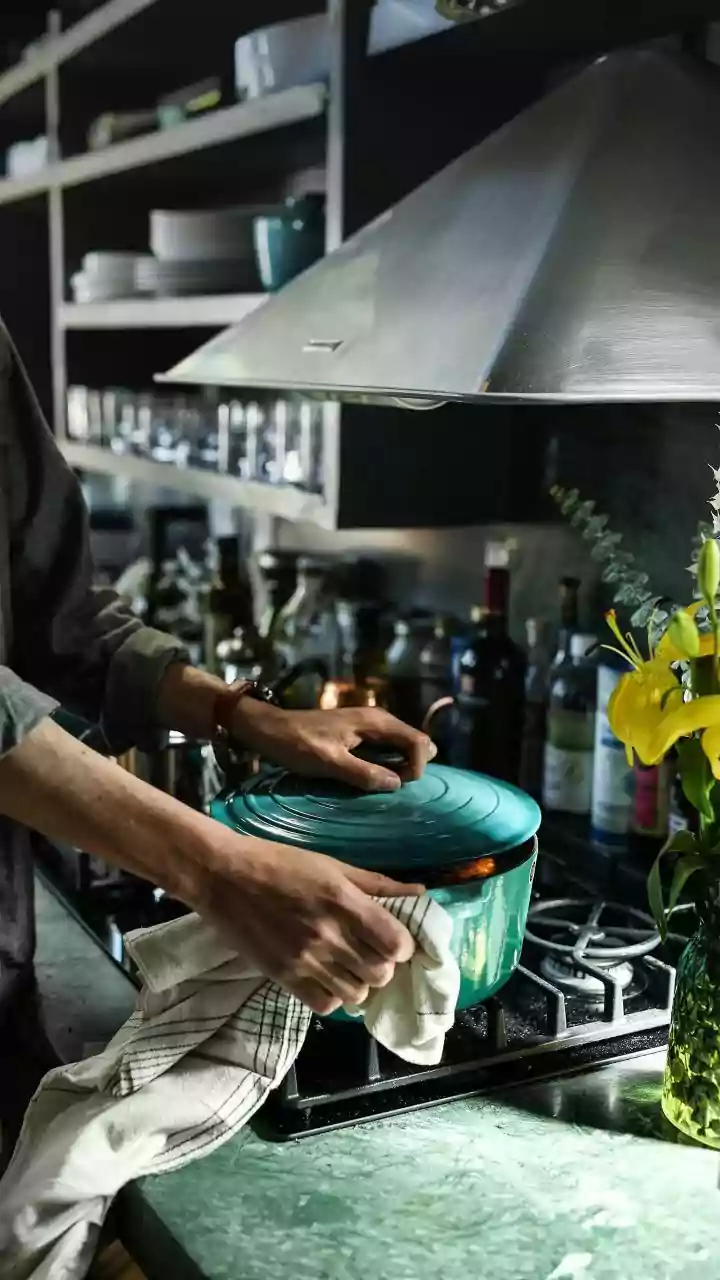
One of the easiest and most impactful ways to start is by making your own vegetable broth. Instead of tossing onion skins, carrot peels, celery ends, mushroom stems, and coriander stalks into the bin, collect them in a bag or box in your freezer. Once you've gathered a good amount, typically a few cups, simply place the scraps in a large pot, cover them with water, add some basic seasonings like peppercorns and a bay leaf, and simmer for an hour or two. The result is a rich, flavourful, and free alternative to store-bought stock, which can contain high levels of sodium and preservatives. This homemade broth can serve as a delicious base for soups, curries, dals, and pulao, adding a layer of flavour you can't get from a cube.
Stems and Leaves: From Afterthought to Main Event
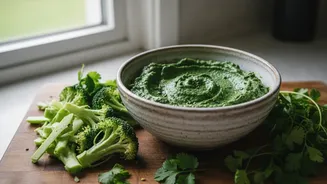
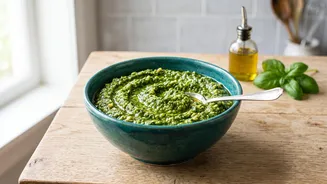
Many of the most commonly discarded parts of vegetables are perfectly edible and delicious. The thick stems of broccoli and cauliflower, for instance, can be peeled and roasted, stir-fried, or blended into soups. They offer a texture similar to the florets but with their own subtle taste. Similarly, the leafy green tops of carrots, beets, and radishes are nutritional powerhouses that can be used just like other herbs or greens. Carrot tops can be blended into a unique pesto, while beet greens are delicious when sautéed with garlic and spices. Using these parts adds bulk and nutrients to your meals without adding a single rupee to your grocery bill.
Creative Uses for Peels and Ends
Beyond stock, vegetable peels can be transformed into surprising snacks and flavour enhancers. Potato and carrot peels, when washed, tossed with a little oil and salt, and baked until crispy, become a fantastic homemade chip. Onion and garlic skins can be dried and ground into a flavourful powder to add to spice blends. Even citrus peels can be candied or used to infuse oils and vinegars. Indian cuisine offers many creative uses, such as turning bottle gourd or raw banana peels into a savoury chutney. These small habits not only stretch your ingredients but also introduce new textures and tastes into your cooking repertoire, making your meals more interesting and varied.
The Real-World Savings
While it may seem like you're only saving a few peels at a time, the financial impact adds up significantly over time. When you use every part of the vegetables you buy, you are maximizing your return on investment for every grocery trip. You'll find yourself buying less because you're using more of what you already have. Studies have shown that a significant portion of household budgets is lost to food waste. By making simple changes—like turning scraps into stock or stale bread into croutons—you can cut down on this waste and keep that money in your pocket. It's a practical approach that delivers tangible savings week after week.