



A Legacy Steeped in Tradition
Long before 'herbal tea' became a wellness trend, communities in the Himalayan highlands were creating infusions from the plants that grew around them. This practice is deeply rooted in daily life and local wisdom, often linked to Ayurvedic principles
where specific herbs and spices are valued for their properties. For generations, the act of gathering wild herbs and preparing these drinks has been a ritual, a way to connect with nature, and a gesture of hospitality. Unlike commercially grown teas, many of these infusions are based on a simple, profound idea: brewing what the landscape provides. The knowledge of which leaves, flowers, and roots to pick, and how to blend them, has been passed down through families, creating a rich and diverse beverage culture that is unique to the region.
The Wild Himalayan Pantry
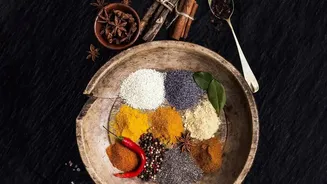
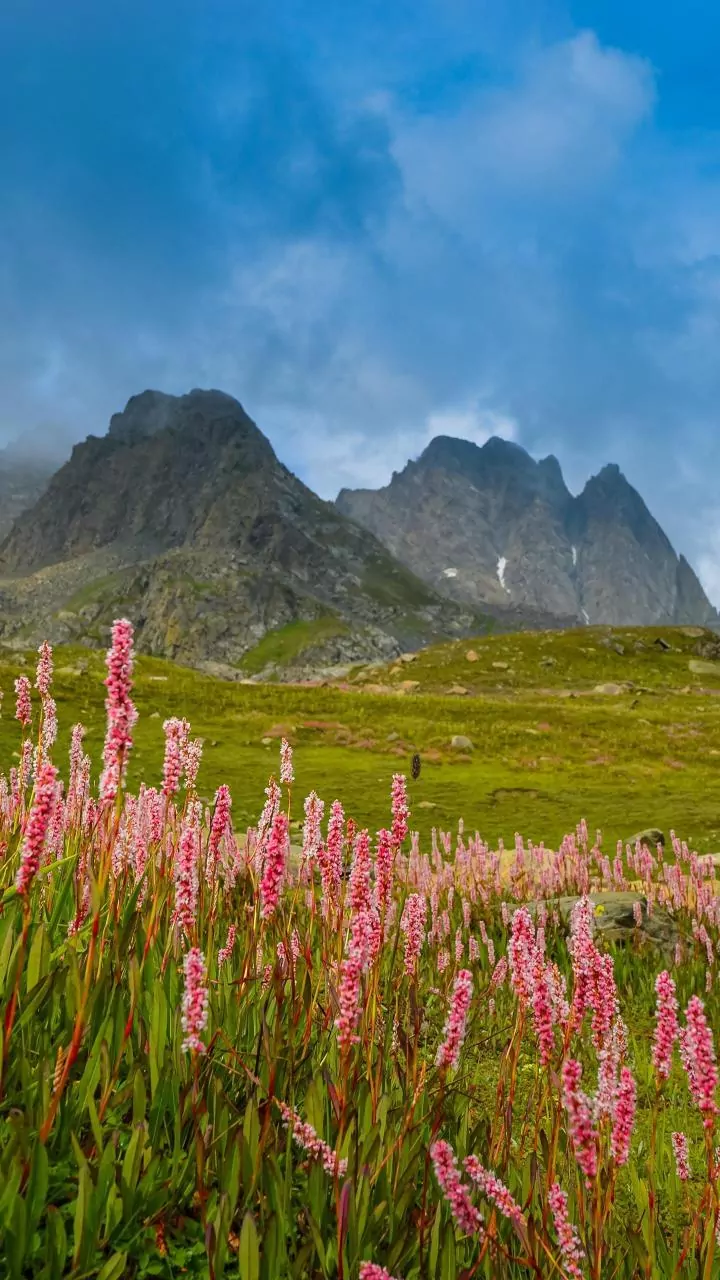
The secret to these infusions lies in the incredible biodiversity of the Himalayas. The high-altitude environment, with its thin air and intense sunlight, forces plants to produce a higher concentration of aromatic compounds, resulting in more complex and robust flavours. The ingredients list is a testament to the region's botanical wealth. Wild tulsi (holy basil) offers warm, peppery notes, while mint and spearmint provide a cooling sweetness. Flowers like rhododendron (buransh), chamomile, and lavender contribute delicate, floral aromas. Other key ingredients include stinging nettle, which has a surprisingly smooth, earthy taste once dried, and lemongrass, which adds a bright, citrusy zing. Spices such as ginger, cardamom, cinnamon, and cloves are also essential, adding warmth and depth to the blends.
The Art of the Botanical Brew
Creating a Himalayan infusion is a simple yet precise art. The process typically involves using dried leaves, flowers, stems, or bark. These ingredients are not usually boiled aggressively, but rather steeped in freshly boiled water for several minutes. Covering the pot or cup while it steeps is a crucial step, as it traps the delicate essential oils and volatile compounds that give the infusion its distinct aroma and flavour. While many modern teas are designed for milk and sugar, these traditional herbal infusions are often best enjoyed on their own to appreciate their nuanced profiles. Some may be sweetened with a touch of honey or natural sugars like 'gur shakker'. The result is a beverage that is far from one-note; it's a carefully balanced composition of nature's offerings.
A Symphony of Flavours
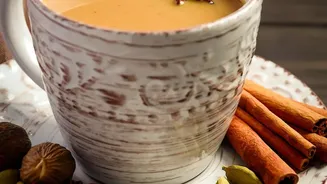
The taste of a Himalayan infusion is a direct reflection of its wild ingredients. A blend featuring rhododendron and rose might taste like a 'mountain spring in bloom', offering a light, floral, and mood-lifting experience. An infusion of tulsi, oregano, and mint can be both spicy and refreshing, creating a complex profile that warms and invigorates. Teas made from high-altitude plants are often noted for having less bitterness and a smoother, sweeter undertone. For example, nettle tea provides a gentle, savoury green taste, while chamomile brews a golden cup with notes of apple and honey. Blends like Kashmiri Kahwa combine green tea with a host of spices like cinnamon, cardamom, and cloves, often garnished with saffron and almonds, creating a brew that is at once fragrant, flavourful, and deeply nourishing.
Wellness and Modern Revival
While cherished for their taste, these infusions are also an integral part of Himalayan wellness traditions. The spices used in many blends, such as ginger, cinnamon, and turmeric, have long been valued in Ayurveda for their ability to aid digestion, boost immunity, and provide warmth. Many of the wild herbs are rich in antioxidants, polyphenols, and other beneficial compounds. Today, there is a renewed appreciation for these ancient beverages. Cooperatives and small businesses in regions like Uttarakhand are working directly with thousands of local farmers to cultivate and share these organic herbal teas, ensuring that the traditions are preserved and that the economic benefits return to the community. This revival allows a wider audience to experience a genuine taste of the Himalayas, connecting them to the culture and pristine environment with every sip.