


A New Culinary Confidence
For years, the perception of Indian food, both at home and abroad, was often limited to a few popular dishes like butter chicken and biryani. While beloved, these classics represent just a fraction of the country's vast culinary diversity. Today, a new
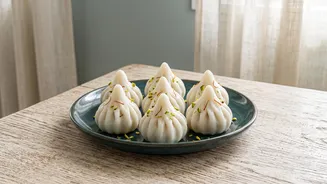
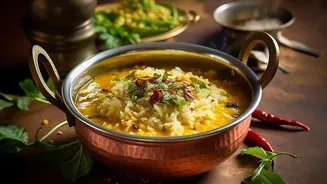
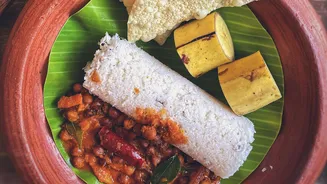
confidence is reshaping this narrative. Chefs and home cooks are moving beyond the standard repertoire, driven by a desire to showcase the hyper-regional specialities that define India's food identity. This isn't about novelty for its own sake; it's a movement towards what some call “realness,” where the story and provenance of a dish are as important as its taste. Diners are increasingly seeking authenticity and are eager to explore the layered, complex flavours—the 'chatpata' maximalism—that have long been the hallmark of Indian street food and home cooking.
Chefs as Modern Storytellers
At the forefront of this evolution are chefs who act as both innovators and custodians of tradition. Figures like Manish Mehrotra of Indian Accent have long been celebrated for elevating regional dishes with contemporary twists, such as his famous blue cheese naan. In Bengaluru, Chef Sombir Choudhary's Kalpaney transforms nostalgic vegetarian dishes, turning dal dhokli into a refined tagliatelle with kokum dal. Meanwhile, Chef Prateek Sadhu's Naar, a destination restaurant in Himachal Pradesh, focuses entirely on Himalayan-forward cuisine, using locally foraged greens and yak cheese to craft a menu deeply connected to its environment. These chefs are not abandoning their roots; they are reinterpreting them, using global techniques to shine a new light on the depth and diversity of India's regional bounty.
The Return of Heritage Ingredients
A key driver of this experimental spirit is the rediscovery of ancient and indigenous ingredients. Millets like ragi, jowar, and bajra, once staples of rural kitchens, are making a major comeback in urban diets, finding their way into everything from trendy breakfast bowls to gluten-free breads. This revival is tied to a broader push for sustainability and health, as these grains are often more resilient and nutritious than refined wheat and rice. Similarly, there is renewed interest in sacred and medicinal ingredients, such as moringa, amla, and turmeric, which are being incorporated into modern recipes for their flavour and wellness benefits. This trend shows a desire to reconnect with ancestral food wisdom while adapting it to contemporary lifestyles.
Tradition Remixed with Global Techniques
The new Indian plate is a fascinating blend of old and new. Chefs are applying international methods to traditional recipes to create surprising and delightful results. You might find avocado in a chaat, quinoa in a biryani, or classic idlis stuffed with spinach and cheese. This fusion isn't just happening in fine dining. The rise of Indo-Chinese food, with its blend of Indian spices and Chinese cooking styles, is a testament to how well these combinations work. Even classic cooking methods like the tandoor and 'dum pukht' (slow-cooking in a sealed pot) are being revisited and refined. The goal is not to dilute Indian flavours but to expand the culinary toolkit, creating dishes that feel both familiar and refreshingly new.