







The Quiet Charm of the Off-Season
Peak tourist season has its own energy, but it often comes with crowds, long queues, and a transactional feel. The monsoon, however, is India’s travel off-season. This quieter period has a magic of its own. With fewer tourists, popular destinations feel more
intimate and accessible. Imagine exploring the forts of Rajasthan or the temples of Tamil Nadu without a sea of selfie sticks, allowing for a more personal and contemplative experience. This slower pace naturally creates space for spontaneity. You're more likely to have unhurried conversations with shopkeepers, artisans, and guesthouse owners, who often have more time and inclination to share their stories. This shift from a crowded attraction to a shared space is the first step toward a more meaningful journey.
Landscapes and Livelihoods in Full Bloom
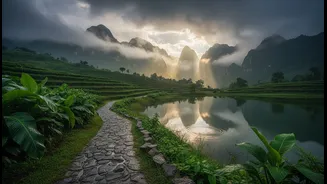
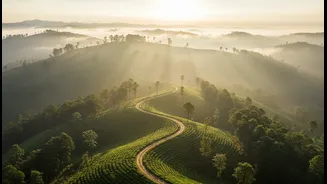
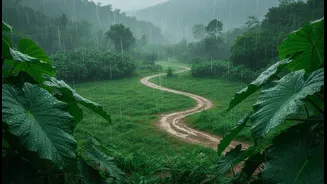
The monsoon transforms India’s landscapes into a lush, vibrant paradise. The Western Ghats, from Maharashtra down to Kerala, explode in shades of green, with waterfalls like Dudhsagar and Athirapally coming to life. This natural spectacle is deeply intertwined with local life. For many communities, the rainy season is the most crucial time of the year, marking the start of the agricultural cycle. Travelling during this period offers a unique window into this rhythm. In places like the Konkan coast or rural Goa, you can witness paddy fields being planted. Some community-based ecotourism initiatives even invite visitors to participate in these activities, offering a hands-on connection to the land and the people who cultivate it. It’s an opportunity to understand a place not just by its monuments, but by its living, breathing culture.
The Homestay: Your Window to Local Life
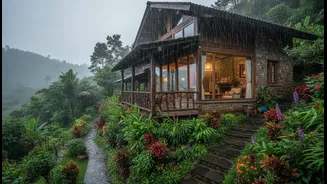
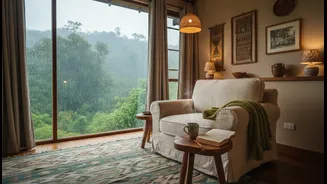
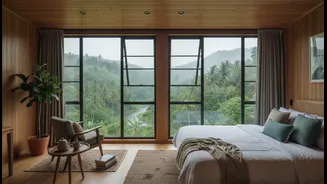
The very nature of monsoon travel—often unhurried and spent partially indoors—makes homestays the ideal choice of accommodation. Unlike impersonal hotels, a homestay offers a direct and authentic cultural exchange. Waking up to the sound of rain in a traditional Kumaoni cottage in Uttarakhand or a coffee plantation home in Coorg is an experience in itself. Hosts often share home-cooked meals, revealing the subtle flavours of regional cuisine that you won't find in most restaurants. These stays often become the highlight of the trip, with hosts acting as cultural ambassadors. They might introduce you to a local festival, teach you a family recipe, or guide you on a walk to a hidden viewpoint. In places like Sikkim or Arunachal Pradesh, a homestay can provide warmth and community, turning a rainy day into a cherished memory.
Beyond the Usual Itinerary
Monsoon travel encourages a shift in perspective—from a checklist of sights to a collection of experiences. When relentless rain makes a long trek inadvisable, you might instead find yourself learning pottery from a mother-daughter duo in Panchgani or joining a feni-tasting session in a Goan plantation. The season gives rise to unique natural phenomena and the community-led tourism built around them. In the Sahyadris of Maharashtra, you can join guided night walks to witness forests lit up by fireflies. In the rainforests of Agumbe, naturalists lead tours to find and identify the diverse species of frogs that are most active during the rains. These activities, often managed by local communities, not only provide income but also promote conservation by connecting travellers directly to the fragile ecosystems they are visiting.