





The End of the Off-Season
What was once a sleepy shoulder season is now a prime travel window for many Indians. Data from multiple travel platforms shows a remarkable spike in hotel and flight bookings for the monsoon months of July and August 2026. For instance, destinations
like Munnar and Mussoorie have seen a nearly tenfold increase in hotel bookings compared to last year, while places like Coorg, Wayanad, and Lonavala have seen bookings grow by about seven times. This trend is driven by several factors, including a structural shift where domestic leisure travel is no longer confined to just the summer and winter peaks. Travellers are seeking immersive wellness and cultural experiences, which the lush, rain-washed landscapes of the monsoon amply provide. This has led to what some in the industry are calling a year-round demand for getaways.
Navigating the Price Puzzle
With rising demand come higher prices. The era of deep monsoon discounts seems to be over, at least in popular destinations. In pre-pandemic times, hotel tariffs in places like Goa would typically drop by almost 24% during the rains. Now, due to sustained demand, prices are remaining much more resilient. According to industry experts, domestic tour packages have already become 10-12% more expensive due to higher operational costs, and this could rise further. While travel companies are rolling out monsoon-specific sales and deals, the overall cost is noticeably higher. For travellers, this means that last-minute bargain hunting is less likely to succeed. The best strategy is to book well in advance, compare prices across different platforms, and consider travelling on weekdays to find better value.
The Search for Flexible Deals
The unpredictable nature of monsoon weather makes flexible booking options more crucial than ever. Travellers are increasingly looking for deals that allow for last-minute changes or cancellations without hefty penalties. While some booking platforms are highlighting these options, they are not always standard. It's essential to read the terms and conditions carefully before booking any flight or hotel. Look for explicit mentions of 'free cancellation' or 'flexible date change' policies. Paying a small premium for a refundable rate can provide valuable peace of mind, protecting you from losing your money if a sudden downpour or a landslide disrupts your travel plans.
Beyond the Beaten Path
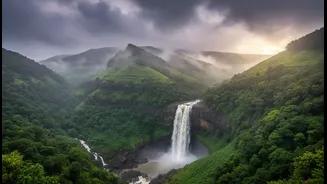
As popular spots get more crowded and expensive, there's a growing appetite for quieter, offbeat destinations. A recent travel report found that 81% of Indian travellers are open to visiting lesser-known places. This trend, sometimes called 'hushpitality', is about seeking tranquillity, nature, and a slower pace. Instead of the usual suspects, travellers are exploring places that offer unique monsoon experiences. Destinations in the Himalayan rain-shadow, like Spiti Valley, offer dry, sunny weather when the rest of the country is wet. Other emerging gems include Malshej Ghat in Maharashtra as an alternative to Lonavala, the blooming Dzükou Valley on the Nagaland-Manipur border, and the misty hills of Daringbadi in Odisha. In the south, the coffee plantations of Chikmagalur offer a serene alternative to a crowded Coorg.