




Why a Fridge Agreement Matters
Living with others requires compromise, and nowhere is this truer than in the kitchen. A shared refrigerator can quickly become a battleground over stolen leftovers, expired items, and general clutter. While verbal understandings are a good start, they
often fail. A documented “fridge agreement” isn't about being rigid; it’s about creating clarity and preventing the small annoyances that can strain relationships. Taking the time to discuss and agree on a few ground rules establishes mutual respect and ensures everyone feels the space is shared fairly. The goal is to make the kitchen a functional, pleasant space for everyone, free of conflict over a missing yogurt or a science experiment in a forgotten container.
Decoding Food Date Labels
A major source of fridge clutter is uncertainty over what's still good to eat. Understanding food labels is crucial. Most dates refer to quality, not safety. With the exception of infant formula, these labels are not federally regulated indicators of safety. Here's a simple guide: 'Best By' or 'Best if Used By' indicates when the product will have the best flavor or quality. 'Sell-By' is a date for retailers to manage inventory, and food is often fine for days after if stored correctly. 'Use-By' is the last date recommended for peak quality; after this date, perishable items like meat and dairy should be used with caution. Trusting your senses for signs of spoilage like off-odors or mold is often more reliable than a printed date.
The Art of Shelf Allocation
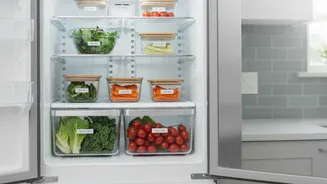
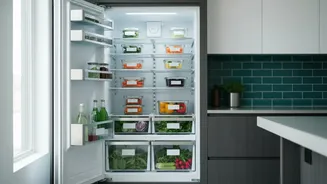
Fairly dividing fridge space is a cornerstone of a good agreement. The method you choose will depend on the fridge size and number of roommates. A popular and simple approach is to assign each person their own shelf. If there are only two of you, splitting the fridge vertically down the middle can also work. For smaller fridges or more people, using clear, stackable bins for each person’s items can create defined, personal zones within a shared shelf. Crisper drawers should also be divided as evenly as possible. It’s common practice to designate the door shelves as communal space for shared items like condiments, butter, or milk, which helps reduce duplicate purchases and saves space.
Label Everything, No Exceptions
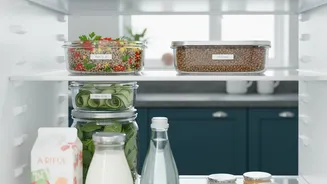
To prevent accidental food theft and confusion, labeling is your best friend. Any item that is not for communal use should be clearly marked with a name. This is especially true for leftovers, expensive ingredients, or specific dietary items. You can use a simple marker, masking tape, or even color-coded dots for each housemate. For prepared foods or leftovers, it's also helpful to add the date it was made. This practice not only clarifies ownership but also helps everyone keep track of freshness, making it easier to know when something needs to be thrown out during the weekly clean-up.
Establish a Clean-Out Schedule
A fridge can get dirty quickly, so a regular cleaning schedule is non-negotiable. Agree on a specific day of the week for a fridge purge. On this day, each person is responsible for going through their own items and discarding anything that is expired or has gone bad. Spills should be wiped up immediately by the person who made them. For a deeper clean, you can rotate the responsibility of wiping down all shelves and drawers on a weekly or bi-weekly basis. Having a clear plan prevents one person from being stuck with the unpleasant task of excavating ancient leftovers and keeps the entire appliance hygienic and odor-free.