




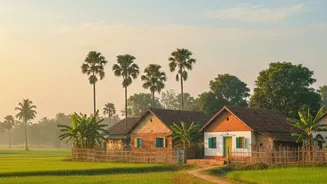
For the modern traveller, a trip is no longer just about seeing the sights. It's about feeling the pulse of a place. This search for authenticity is transforming how we travel, with homestays emerging as the key to unlocking genuine cultural experiences.
Beyond the Impersonal Hotel
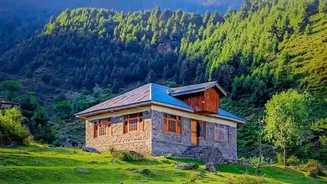
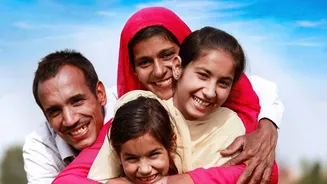
For decades, the standard vacation involved checking into a hotel, following a set itinerary of tourist spots, and observing local life from a comfortable distance. While convenient, this model often creates a barrier between the traveller and the destination. Homestays fundamentally change this dynamic. Instead of being a passive observer, you become a temporary member of a local household. This shift from observation to participation is the cornerstone of immersive travel, offering a window into the daily rhythms, customs, and traditions that define a region. It's an experience that prioritises connection over convenience, providing a deeper understanding that a hotel lobby simply cannot offer.
A Seat at the Family Table
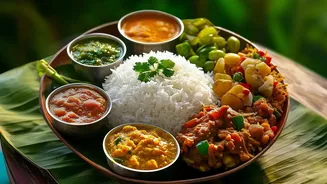
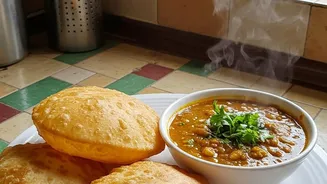
Food is a universal language, and nowhere is this more true than in a homestay. One of the most significant ways travellers connect with local culture is by sharing meals with their host family. This isn't about sampling restaurant fare; it's about tasting generational recipes and understanding the stories behind the ingredients. Many hosts welcome guests into their kitchens, offering informal cooking lessons on regional delicacies, from the spices used in a Kerala fish curry to the techniques for making the perfect Punjabi lassi. These culinary exchanges go beyond flavour, providing insights into local agriculture, dietary customs, and the role food plays in family and community life, creating a sensory and memorable connection to the place.
Living by the Local Calendar
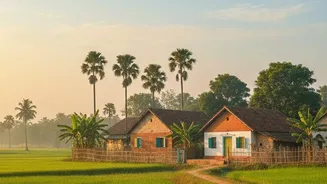
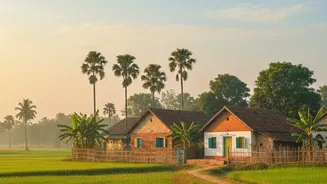
Homestays offer travellers a front-row seat to the cultural calendar of a region. Instead of just hearing about a local festival, you might find yourself participating in the preparations alongside your hosts. This could mean helping to create decorations for a village celebration in Rajasthan or learning the significance of specific rituals during a festival in West Bengal. This level of involvement extends to daily life as well, such as observing farming routines in Palghat or visiting a local temple with the family in a Konkan village. These aren't tourist shows; they are authentic, lived experiences that are often inaccessible to those staying in conventional accommodations.
Learning a Craft, Sharing a Skill
Another powerful aspect of homestay immersion is the opportunity for skill-sharing. Many homestays are run by artisans, farmers, or weavers who are passionate about preserving their traditional crafts. Travellers can spend their days learning the basics of Bishnoi weaving near Jodhpur, trying their hand at pottery, or understanding the nuances of coffee cultivation in Coorg. In places like Munsiari, tourism enterprises have been built around homestays that offer a combination of adventure and cultural workshops, allowing guests to learn directly from the community. This exchange is often a twoway street, where hosts also gain new perspectives from their visitors, fostering mutual respect and understanding.
A Sustainable Model for Tourism
The rise of homestays is not just a win for travellers; it's a vital trend for sustainable tourism. By choosing a homestay, your money directly supports local families and communities, often empowering women to become financially independent microstentrepreneurs. This model helps provide accommodation in remote or emerging destinations where larger hotels may not be viable, dispersing tourism's economic benefits more evenly. It encourages the preservation of heritage properties, from ancestral havelis to colonial bungalows, and promotes a form of travel with a lower environmental footprint compared to new construction. As governments across India introduce policies to support and regulate the sector, homestays are becoming an increasingly integral part of the nation's tourism strategy.